
Who Works Is Lost
1963
No user ratings available yet
Diversity score: 4.2 out of 10
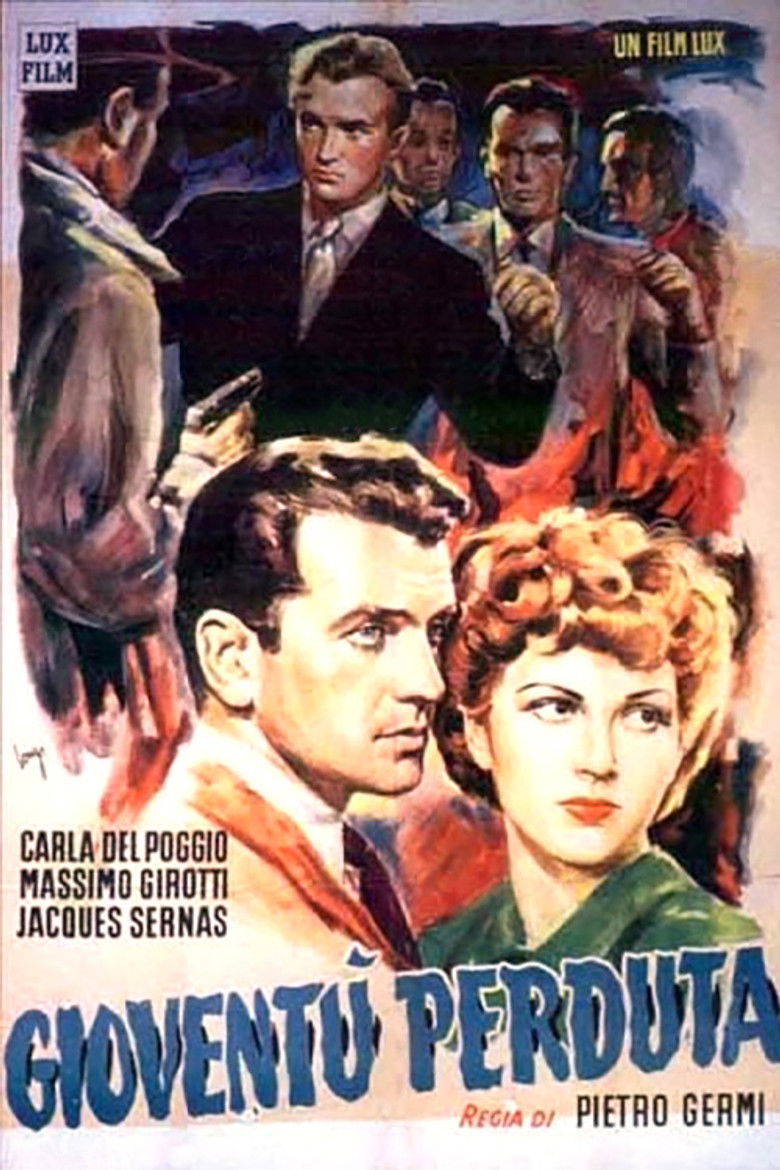
1948
Director
Pietro Germi
Runtime
80 minutes
Average Rating
No ratings yetSynopsis
In impoverished post-war Rome, a gang of young thieves is lead by Stefano, the son of an illustrious professor. The police suspects that the criminals are actually university students; inspector Mariani, a young World War II veteran, enrolls and tries to find out more. He falls for a pretty fellow student, Luisa, but she is the sister of the gang leader...
Overall Score
Fair
Category Breakdown
LGBTQ+ Representation
The film lacks explicit evidence of LGBTQ+ characters or non-heteronormative identities. The narrative focus centers on the romantic tension between Inspector Mariani and Luisa.
Gender Representation
Luisa occupies a complex position between the law and the criminal underworld. While she sits at the center of a moral conflict, her specific level of agency remains moderate.
Racial & Ethnic Diversity
Set in post-war Rome, the film reflects the demographic homogeneity of the era. It prioritizes socio-economic distinctions over racial or ethnic diversity.
Religious & Cultural Diversity
The film offers a strong critique of class hierarchies and traditional institutions. It reframes criminals as products of their environment rather than inherently evil figures.
Disability Representation
There are no visible or invisible disabilities depicted within the primary character arcs.
Strengths
Areas for Improvement
AI Analysis
Lost Youth is a social critique focused on class and institutional authority rather than identity-based representation. It uses the friction between the police and marginalized youth to examine systemic inequality in post-war Italy. The film's strength lies in its deconstruction of the criminal archetype. By framing theft through the lens of socio-economic necessity, it challenges conventional morality and social hierarchies. However, the film lacks modern markers of diversity. It remains largely homogeneous in terms of race and LGBTQ+ representation, functioning primarily through the lens of Italian class struggle.
1963
1961

1982

1962

1962

1960
1946
1954
1947
1969
1959

1960
No reviews yet. Be the first to share your thoughts on this movie!
Use the rating form above to leave a star rating and optional review.