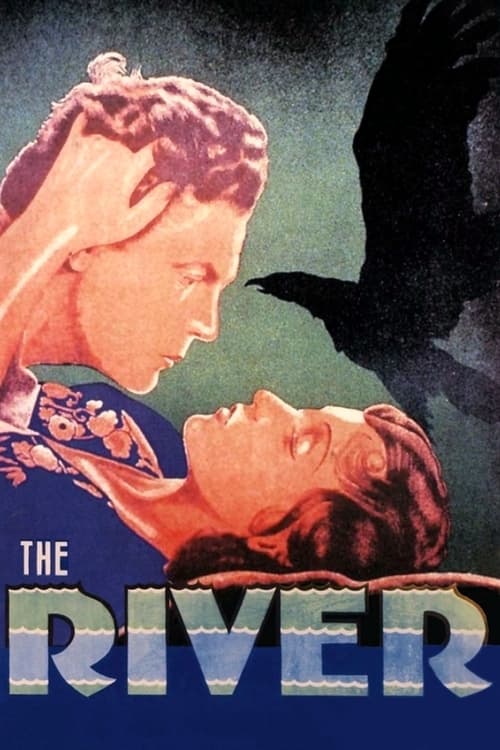
The River
1929
No user ratings available yet
Representation score: 3.3 out of 10

Representation Score
Limited
1929
Not RatedDirector
Alfred Hitchcock
Runtime
100 minutes
Average Rating
No ratings yetNew Showbiz Analysis
The Manxman is a period drama that reflects the social and demographic homogeneity of the early 1920s. It relies on traditional story formulas, focusing on a romantic triangle and class-based social conflicts. While the film centers around a female protagonist, it does not explore multi-layered complexities. The narrative remains tied to the social norms of its time, offering limited disruption to established hierarchies. Ultimately, the film's focus on a localized, Anglo-Saxon identity and standard class conflicts results in a narrow demographic scope.
Category Breakdown
The film follows the traditional romantic conventions of the early 20th century, featuring a classic love triangle without any depiction of same-sex relationships or non-binary gender identities.
Kate is the main character whose decisions shape the story. She plays a significant role but her journey is largely defined by her interactions with male characters.
The story focuses on a culturally homogeneous community on the Isle of Man, emphasizing a localized, Anglo-Saxon identity without including diverse racial or ethnic backgrounds.
The narrative explores the tensions between the working-class fishing community and the educated professional class, using these socioeconomic differences to create dramatic tension.
There are no prominent depictions of visible or invisible disabilities that play a central role in the story.
Present on Screen
Limited or Absent
Official Synopsis
A fisherman and a rising lawyer who grew up together as brothers fall in love with the same woman.
1929
1938
1928
1927
1930
1934
1933

1931
No reviews yet. Be the first to share your thoughts on this movie!
Use the rating form above to leave a star rating and optional review.