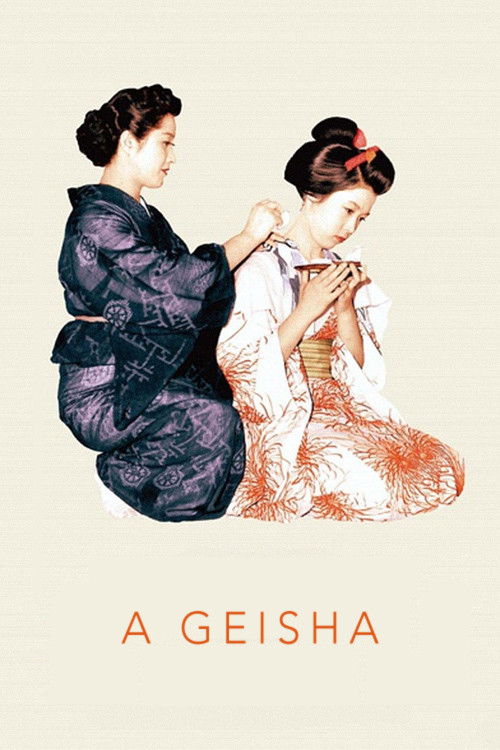
A Geisha
1953
No user ratings available yet
Representation score: 6.2 out of 10
Representation Score
Good
1954
Director
Kenji Mizoguchi
Runtime
84 minutes
Average Rating
No ratings yetNew Showbiz Analysis
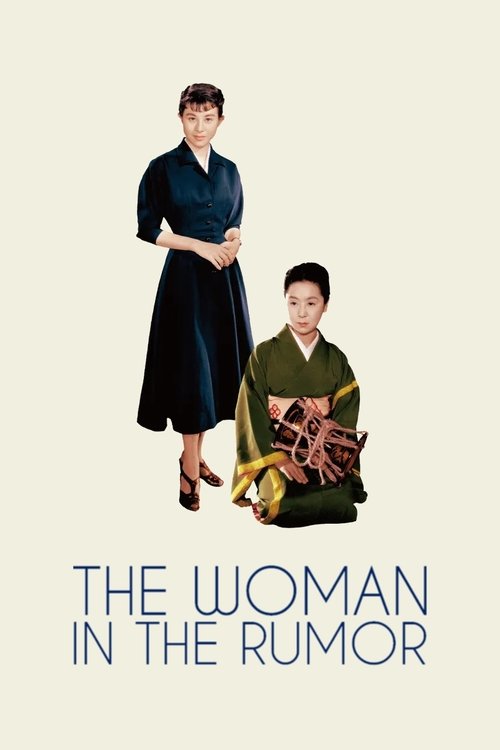
Kenji Mizoguchi’s work focuses on the systemic oppression of women and the critique of rigid social hierarchies. This film uses the female experience to explore how reputation and economic survival shape individual choices within a patriarchal society. By focusing on a mother's stigmatized profession, the film challenges traditional gender roles and examines the tension between personal trauma and social necessity. While the film provides a detailed look at Japanese social strata and class, it remains culturally uniform. It primarily serves as a study of social friction and the subversion of established norms.
Category Breakdown
The film doesn't include any explicit references to LGBTQ+ identities or queer narratives. The main conflict revolves around family and economic issues rather than sexual orientation.
The story centers on the experiences of women and the complexities of womanhood. By showing a mother running a brothel, the film challenges traditional views of motherhood and explores female independence.
As a 1954 Japanese production, the cast is culturally uniform. It delves into the social layers and classes of Japan through the lens of reputation.
The story questions traditional institutions and the sanctity of the family unit. It looks at how societal norms and moral standards influence individual behavior.
There are no visible or invisible disabilities mentioned in the narrative. No specific character details regarding disability are present.
Present on Screen
Limited or Absent
Official Synopsis
After living a traumatic experience in Tokyo, Yukiko returns to Kyoto, where Hatsuko, her mother, runs a brothel, which upsets Yukiko very much.
1953

1939

1936
1952
1948

1932
1964
1951
No reviews yet. Be the first to share your thoughts on this movie!
Use the rating form above to leave a star rating and optional review.