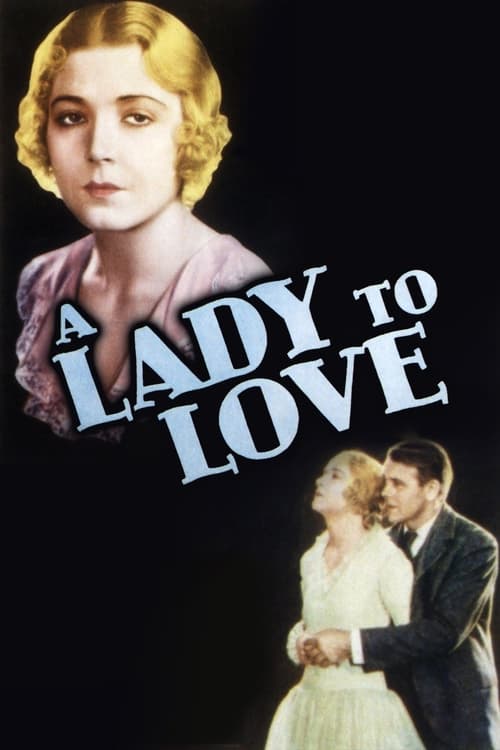
A Lady to Love
1930
No user ratings available yet
Representation score: 1.4 out of 10
Representation Score
Minimal
1939
TV-PGDirector
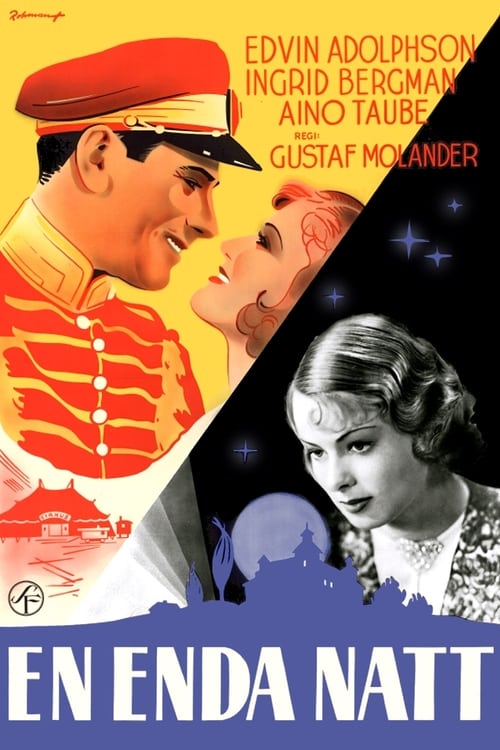
Gustaf Molander
Runtime
91 minutes
Average Rating
No ratings yetNew Showbiz Analysis
Only One Night is a period melodrama that reflects the societal norms of its historical context. It relies heavily on established social hierarchies and traditional narrative structures common to early 20th-century European cinema. The story prioritizes themes of class, lineage, and heterosexual romance. Instead of challenging systemic norms, the film uses the tension between social status and personal desires to drive its drama. Ultimately, the film adheres to the demographic and social structures of its time, providing a conventional perspective on class-based romantic stories.
Category Breakdown
The film follows a typical romantic storyline between a male protagonist and a female ward, adhering to the standard heterosexual relationship norms of its time.
The female lead plays a central role in the emotional journey, but the power dynamics remain tied to traditional structures. Male characters hold the main positions of authority and play key roles in driving the story forward.
The production mirrors the demographic makeup of 1939 Sweden, focusing on European social classes without any depiction of racial diversity.
The plot centers on class distinctions and the importance of family lineage. It emphasizes the significance of legal inheritance and the sanctity of the established family unit.
There are no visible or invisible disabilities shown that affect the character arcs or the narrative progression.
Present on Screen
Limited or Absent
Official Synopsis
Funfair worker Valdemar is unknowingly the illegitimate son of a rich landowner, colonel Von Brede. The colonel knows and employs Valdemar as his stable master. The colonel has a young and beautiful ward, Eva, but will she and Valdemar fall in love with each other?
1930
1938
1946

1939
1934
1958
1934

1940
No reviews yet. Be the first to share your thoughts on this movie!
Use the rating form above to leave a star rating and optional review.