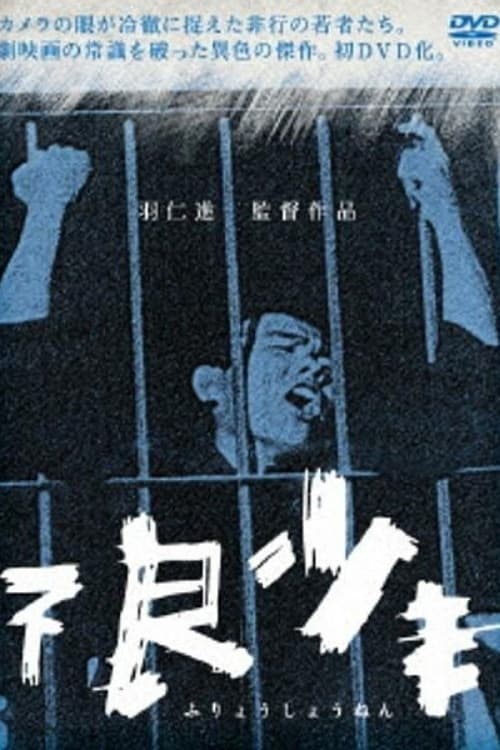
Bad Boys
1961
No user ratings available yet
Representation score: 5.0 out of 10
Representation Score
Limited
1958
Not RatedDirector
Seijun Suzuki
Runtime
99 minutes
Average Rating
No ratings yetNew Showbiz Analysis
Seijun Suzuki’s early work explores the friction between individual ability to act and rigid social structures. While the film lacks modern multi-layered markers, its focus on a social outcast provides a thematic critique of systemic institutional pressure. The production is a product of its time, reflecting the homogeneous casting and gender-centric drama common in 1950s Japanese cinema. It functions more as a study of social reintegration than a diverse character study. Ultimately, the film's strength lies in its exploration of the individual versus the state, even if it does not address modern diversity standards.
Category Breakdown
The film does not include any explicit LGBTQ+ characters or narratives. The story focuses on a protagonist's struggle with his criminal past and social reintegration.
The narrative centers on a male protagonist named Nobuo and his personal journey. There is little indication of women's ability to drive the story or the subversion of gendered power dynamics.
As a 1958 Japanese production, the film features a culturally homogeneous cast. It reflects the domestic social realism typical of mid-century Japanese cinema.
The film critiques traditional social institutions through its protagonist. It explores the tension between an individual on the fringes and the rigid moralities of the post-war era.
There is no information regarding the depiction of physical or neurodivergent disabilities in this work.
Present on Screen
Limited or Absent
Official Synopsis
Nobuo is a hot-headed hoodlum fresh out of reform school who struggles to make a clean break with his tearaway past.
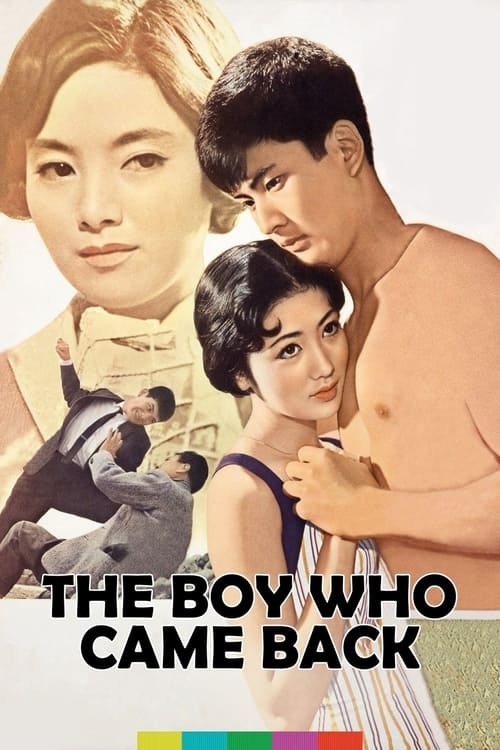
1961
2001
1985
1938

1960
1996
1966

1966
No reviews yet. Be the first to share your thoughts on this movie!
Use the rating form above to leave a star rating and optional review.