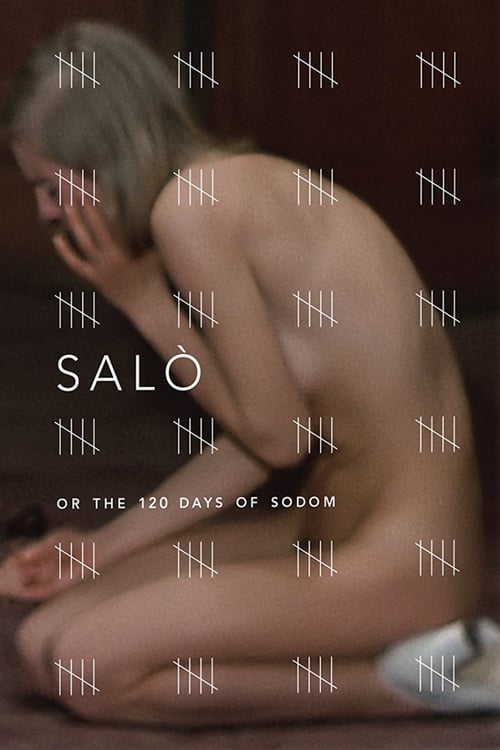
Salò, or the 120 Days of Sodom
1976
No user ratings available yet
Representation score: 6.3 out of 10

Representation Score
Good
1969
Not RatedDirector
Pier Paolo Pasolini
Runtime
99 minutes
Average Rating
No ratings yetNew Showbiz Analysis
Pigsty is a subversive film that finds its progressive value in dismantling power structures rather than through specific identity representation. It excels in challenging Western institutional morality and capitalist systems of the time. By highlighting the tension between primal instincts and systemic constraints, the film celebrates the resistance of the underrepresented. It replaces traditional social hierarchies with a chaotic struggle for survival. Though it lacks explicit LGBTQ+ or multi-ethnic casting, its strength lies in its anti-fascist and anti-capitalist framework. Class and cultural identity are central themes in the human struggle.
Category Breakdown
The film avoids typical LGBTQ storylines and instead explores sexuality through raw, instinctual connections that go beyond societal norms. It doesn't rely on traditional representations of sexual orientation or gender identity.
Pasolini challenges traditional views of masculinity by showing men as volatile and driven by animal instincts. This contrasts with the stable, provider role typically associated with men.
The movie highlights the socioeconomic differences between Italian peasants and the industrial elite. It portrays the peasantry as a unique cultural group fighting against state uniformity.
The film provides a strong critique of Western institutions, presenting the state and upper classes as predators. It emphasizes primal and sacred values over consumer culture.
There are no significant or identifiable portrayals of physical or cognitive disabilities that play a key role in the story.
Present on Screen
Limited or Absent
Official Synopsis
Two dramatic stories. In an undetermined past, a young cannibal (who killed his own father) is condemned to be torn to pieces by some wild beasts. In the second story, Julian, the young son of a post-war German industrialist, is on the way to lie down with his farm's pigs, because he doesn't like human relationships.
1976

1965
1970

1963
1983
1969

1980
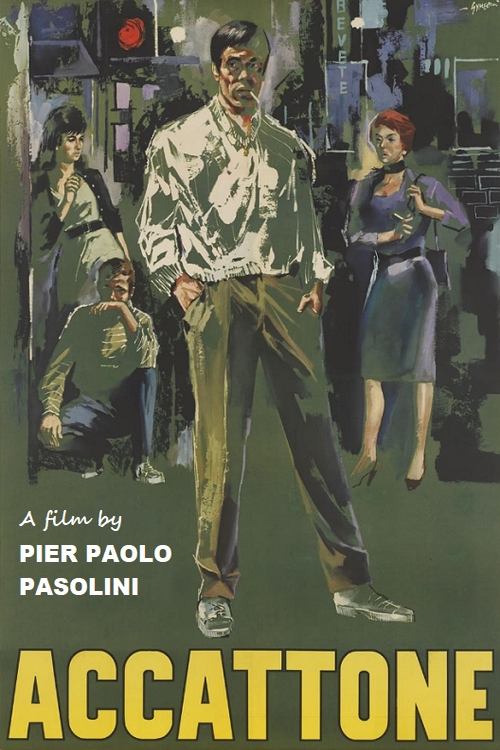
1961
No reviews yet. Be the first to share your thoughts on this movie!
Use the rating form above to leave a star rating and optional review.