The Rocket
2013
No user ratings available yet
Representation score: 7.5 out of 10
Representation Score
Good
2004
Director
Minh Nguyen-Vo
Runtime
102 minutes
Average Rating
No ratings yetNew Showbiz Analysis
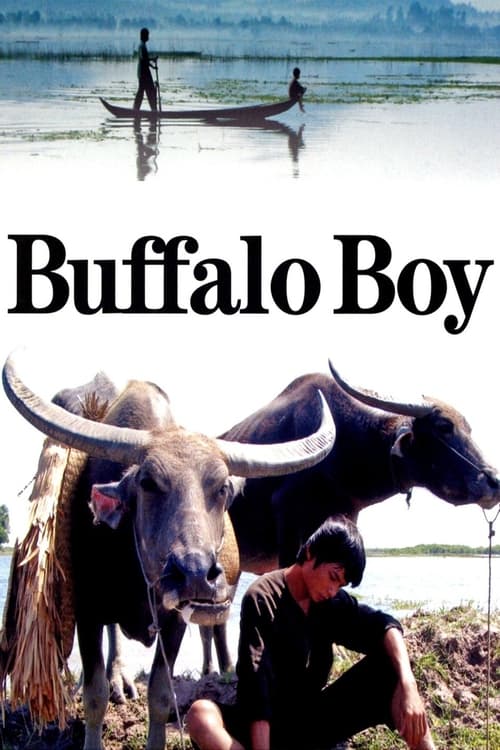
Buffalo Boy stands as a significant work of post-colonial cinema that emphasizes the reclaiming of indigenous perspectives. It effectively counters the historical dominance of Western viewpoints by highlighting the struggles of the colonized community. The film's strength lies in its critique of Western colonial authority and its focus on ethnic self-determination. It uses the fight for survival as a powerful metaphor for resisting imperialist influence. However, it remains confined by the social norms of its 1930s setting, maintaining traditional patriarchal structures and lacking representation of LGBTQ+ identities or physical disabilities.
Category Breakdown
The film centers around a young male protagonist within a traditional agrarian society. It does not include any representations of non-straight or non-cisgender identities or same-sex relationships, reflecting the social norms of the 1930s.
Women are primarily shown in domestic or supporting roles within the patriarchal structure of rural Vietnam. While the film highlights men's mistreatment of women, it does not challenge these traditional gender roles.
The film excels in highlighting the ethnic Vietnamese identity against the backdrop of colonial oppression. It challenges the Western perspective by focusing on the daily lives and resilience of the local peasantry.
The film offers a critical look at French colonial capitalism and its exploitative taxation policies. It portrays the colonial administration as an oppressive force that disrupts traditional communal life and local governance structures.
There are no prominent depictions of physical or cognitive disabilities. The characters' main struggles are related to socioeconomic issues and systemic challenges rather than individual health conditions.
Present on Screen
Limited or Absent
Official Synopsis
Kim is 15; his father and step-mother have two buffalo, their lifeline as subsistence rice farmers. During the rainy season, there's no grass and the buffalo are starving. Kim volunteers to take the beasts inland to find food. On this coming-of-age journey, Kim sees men mistreat women, men fight with men, and French taxes rob the poor. He works for Lap, a buffalo herder whose past is entangled with Kim's parents, and he makes friends who will lead him to his place in the world.
2013

1995

2009

1993
1994

2005

2006
1995
No reviews yet. Be the first to share your thoughts on this movie!
Use the rating form above to leave a star rating and optional review.