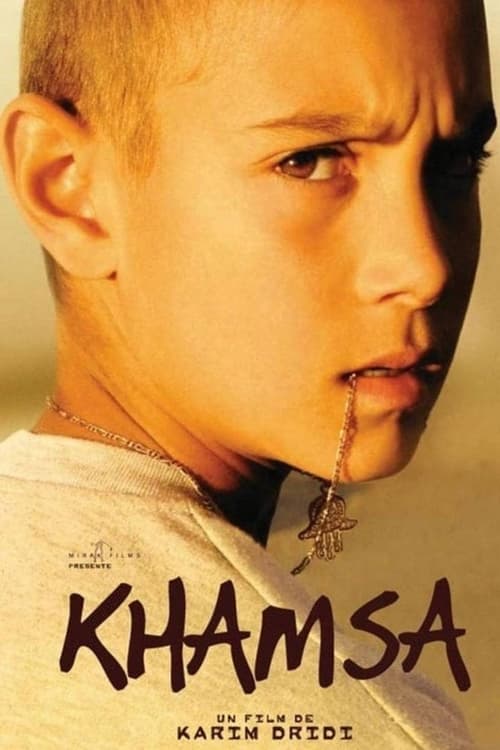
Khamsa
2008
No user ratings available yet
Representation score: 8.3 out of 10
Representation Score
Good
2001
Not RatedDirector
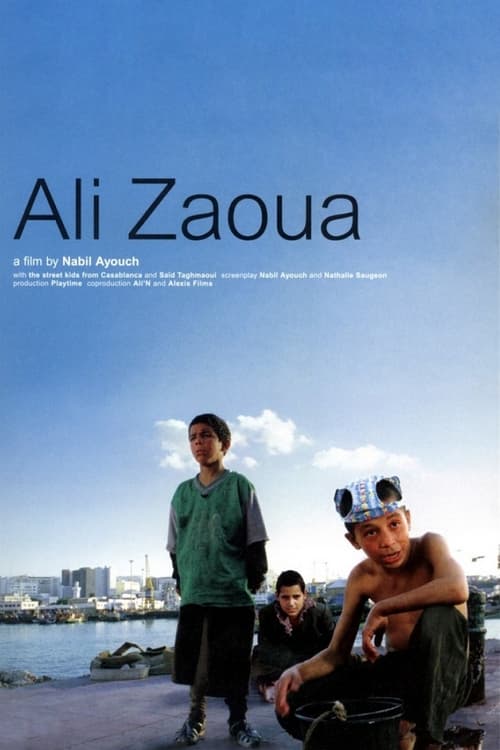
Nabil Ayouch
Runtime
99 minutes
Average Rating
No ratings yetNew Showbiz Analysis
Ali Zaoua is a compelling social realism film that centers on the underrepresented youth of Casablanca. By presenting an authentic Moroccan perspective, it steers clear of Westernized interpretations of local struggles. The film's strength lies in its critical examination of systemic failures in family and state structures. It refrains from moralizing the survivalist behaviors of disenfranchised youth, instead highlighting the necessity of these actions due to societal breakdowns. However, the film's exploration of identity is limited, particularly in its portrayal of LGBTQ+ identities and broader female roles.
Category Breakdown
The film highlights the survivalist bond among a group of male street children in Morocco. It does not include any characters with non-binary gender identities or same-sex romantic relationships.
The story revolves around a male-dominated social structure in Casablanca. Ali's mother briefly appears, representing the precarious position of women, though she remains a minor character.
The film features an authentic Moroccan cast, offering a genuine portrayal of the local culture. It avoids Western stereotypes by focusing on the experiences of Moroccan urban life.
The narrative examines the collapse of family, state, and religious systems. It portrays survivalist behaviors as necessary reactions to systemic neglect and economic disparities.
There are no main characters with physical disabilities. However, the film captures the psychological impact and neurodivergent coping mechanisms, such as glue sniffing, resulting from extreme poverty.
Present on Screen
Limited or Absent
Official Synopsis
Ali, Kwita, Omar and Boubker are street kids. The daily dose of glue sniffing represents their only escape from reality. Since they left Dib and his gang, they have been living on the portside of Casablanca. They live in constant fear of Dib's revenge. Ali wants to become a sailor - when he was living with his mother, a prostitute, he used to listen to a fairy tale about the sailor who discovered the miracle island with two suns. Instead of finding his island in the dream, Ali and his friends are confronted with Dib's gang. Matters are getting serious.
2008

1988

2005
2017

2001
2020
1995
1995
No reviews yet. Be the first to share your thoughts on this movie!
Use the rating form above to leave a star rating and optional review.