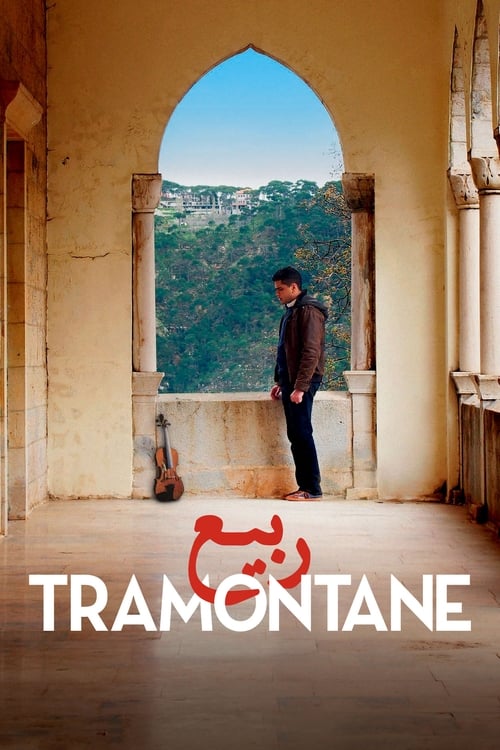
Tramontane
2017
No user ratings available yet
Representation score: 8.6 out of 10
Representation Score
Good
2015
Not RatedDirector
Pema Tseden
Runtime
138 minutes
Average Rating
No ratings yetNew Showbiz Analysis
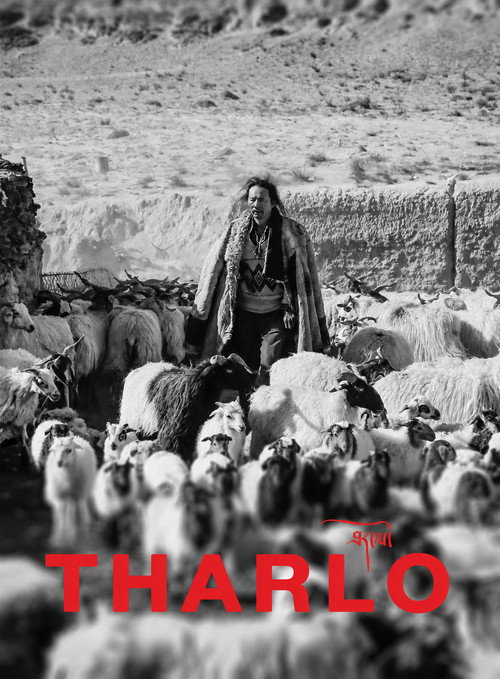
Tharlo is a profound meditation on the erosion of identity caused by the friction between indigenous nomadic traditions and modern statehood. It succeeds most significantly through its authentic Tibetan perspective, offering a vital non-Western lens on the human condition. The film's strength lies in its cultural specificity and its critique of how consumerist, settled lifestyles disrupt historical continuity. By centering underrepresented ethnic identities, it challenges conventional global narrative hierarchies. However, the film remains limited in its scope regarding LGBTQ+ identities and maintains a primary focus on the male protagonist's psychological fragmentation.
Category Breakdown
The film does not include LGBTQ+ narratives or explore non-straight identities. The central relationship focuses on a heterosexual pursuit, without delving into LGBTQ+ experiences.
A female character plays a significant role in driving the protagonist's journey, rather than being a passive figure. However, the narrative primarily centers on the male experience of loss.
The film stands out by featuring a Tibetan cast and highlighting the lived experience of the Tibetan Plateau. This provides a powerful counter-narrative to Western-centric cinematic perspectives.
The story critiques the impact of modernization on traditional nomadic lifestyles. It portrays the shift toward bureaucratic systems as a source of profound dislocation.
The protagonist's remarkable memory creates a sense of cognitive dissonance. While not a clinical depiction, his existential disorientation serves as a central psychological theme.
Present on Screen
Limited or Absent
Official Synopsis
Tharlo is an orphan. Now grown up, he makes a living as a sheep herder in the village. He has grown a ponytail, so people simply call him “Ponytail”, since nobody remembers his real name anyway. Tharlo has a remarkable memory. He remembers so many things, except his own name. He is now in his forties, and he has yet to have his first woman. Now Tharlo goes to town to take a photo for his identity card. He meets a girl in the barber’s shop who changes the course of his life. He embarks on the journey to find his true self. He sells all his sheep and those entrusted by other villagers to him for care, and decides to use the money to go out into the world with the girl, only to find himself being deceived and cheated by her. Ironically, in his journey of self-discovery, Tharlo has lost his sense of self. As he witnesses in the mirror his ponytail being cut off and leaving him bald, he can no longer see himself as a man with a history that he recognizes.
2017
2017

2024

1995

2019
2015
2015

2010
No reviews yet. Be the first to share your thoughts on this movie!
Use the rating form above to leave a star rating and optional review.