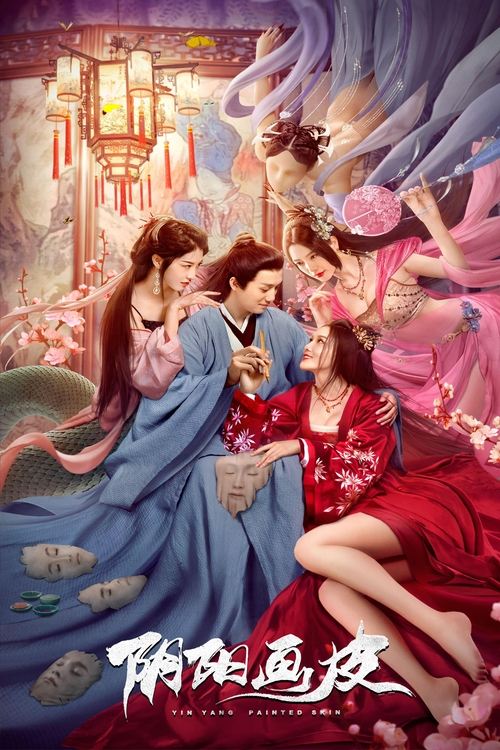
Yin Yang Painted Skin
2022
No user ratings available yet
Representation score: 2.2 out of 10

Representation Score
Good
1993
Not RatedDirector
Tsui Hark
Runtime
99 minutes
Average Rating
No ratings yetNew Showbiz Analysis
Tsui Hark’s film succeeds by centering its narrative on non-human entities that disrupt traditional moral binaries. By positioning the snake spirits as the emotional core, the story subverts the typical 'good versus evil' dichotomy found in wuxia fantasy. The film's strength lies in its critique of institutional hegemony. It portrays the monastic authority as a symbol of suppression, allowing the female-driven narrative to prioritize subjective experience and autonomy over rigid social hierarchies. While the film excels in gender ability to act and cultural depth, it remains limited in explicit LGBTQ+ representation and does not address disability as a narrative vector.
Category Breakdown
The film does not explicitly depict LGBTQ+ identities or romantic pairings. The close bond between the female protagonists is portrayed as a supernatural sisterhood rather than a queer relationship.
The narrative is driven by the active roles of the female protagonists, who challenge the rigid, patriarchal structures of the monastic order.
Set in the Tang Dynasty, the film emphasizes Chinese mythological aesthetics over Western fantasy clichés. It focuses on local folklore and spirituality rather than modern multi-layered casting.
The film critiques religious institutions using moral relativism. It portrays the pursuit of earthly passion as a valid existence against the oppressive, inflexible dogma of the monastic order.
Characters with disabilities are not the primary focus. However, the supernatural transformations of the protagonists serve as metaphors for the fluidity of the physical form.
Present on Screen
Limited or Absent
Official Synopsis
Two snake spirits become human and learn about love and suffering. A monk discovers his own weaknesses and finds that morality is not as simple as he had thought.
2022

1991

2015
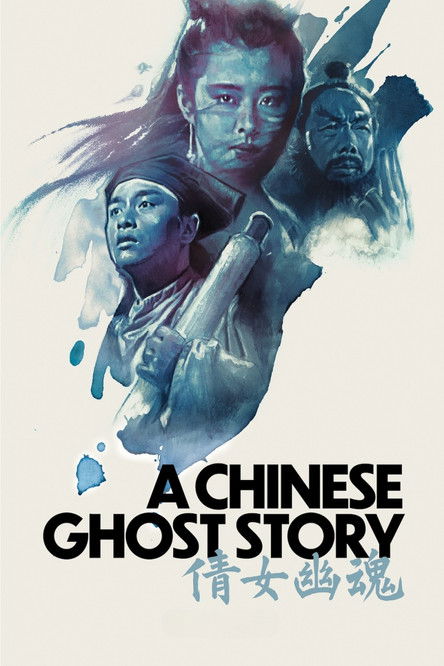
1987

1993
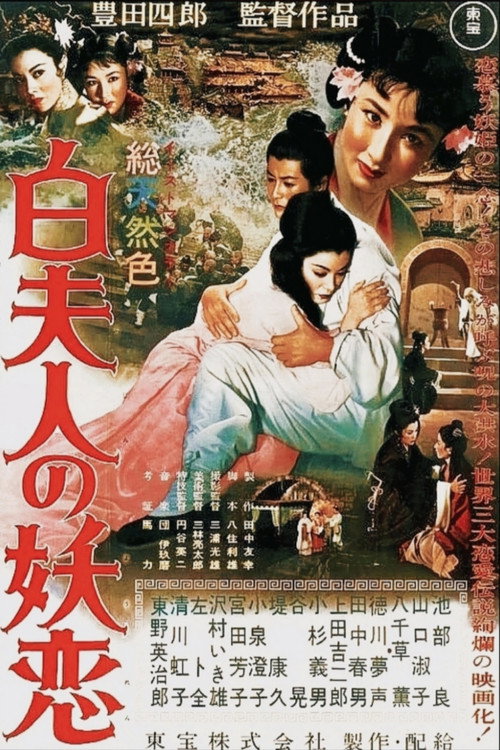
1956

1994
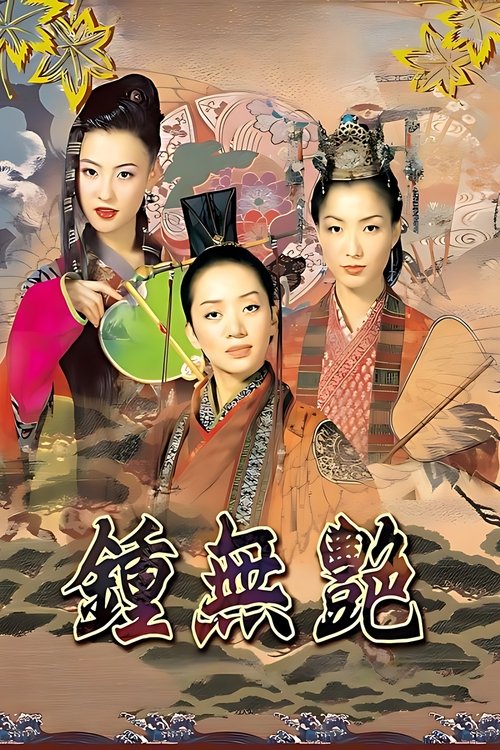
2001
No reviews yet. Be the first to share your thoughts on this movie!
Use the rating form above to leave a star rating and optional review.