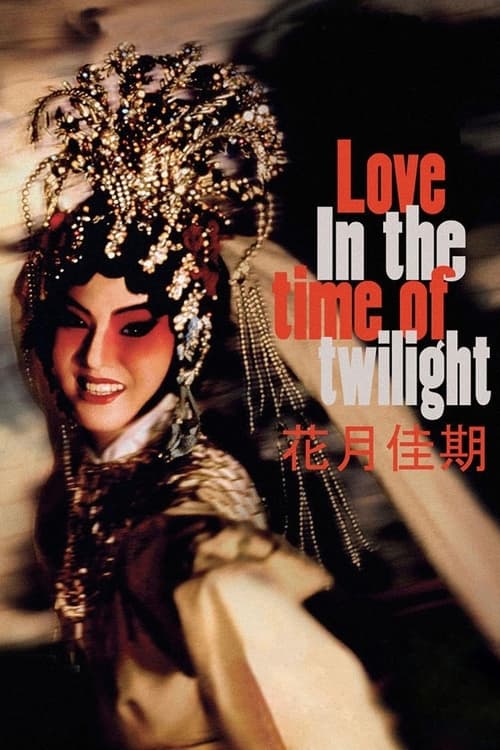
Love in the Time of Twilight
1995
No user ratings available yet
Representation score: 5.1 out of 10

Representation Score
Good
1994
Director
Tsui Hark
Runtime
107 minutes
Average Rating
No ratings yetNew Showbiz Analysis
Tsui Hark’s adaptation of the 'Butterfly Lovers' legend uses a period setting to challenge traditional social hierarchies. By centering a non-Western narrative and exploring the performative nature of gender, the film provides a unique perspective. However, the film lacks representation of physical or neurodivergent disabilities and remains focused on a specific cultural and gendered struggle.
Category Breakdown
The protagonist adopts a male identity to access education, showing the fluidity of gender. While the main romance is heterosexual, the disguise explores the complexity of gender identity.
The film challenges traditional hierarchies by placing a female character in a male-dominated intellectual space. Her actions challenge the stereotype of the passive woman in a patriarchal society.
Set in the Eastern Jin Dynasty, the film centers on an East Asian historical context. It offers a non-Western perspective, providing an alternative to Western-centric romantic stories.
The narrative criticizes rigid institutions by highlighting the conflict between personal desires and oppressive social structures. It examines how traditionalism and systemic constraints can limit individual freedom.
The film contains no prominent depictions of physical or neurodivergent disabilities that drive the narrative.
Present on Screen
Limited or Absent
Official Synopsis
In 337 A.D., during the Eastern Jin Dynasty, parents dress a very pretty, very privileged girl like a boy so she may be educated in a local boarding school. There, she falls in love with a poor, but handsome and industrious young man.
1995
1993
1963
1993
2003
1977
2019
1987
No reviews yet. Be the first to share your thoughts on this movie!
Use the rating form above to leave a star rating and optional review.