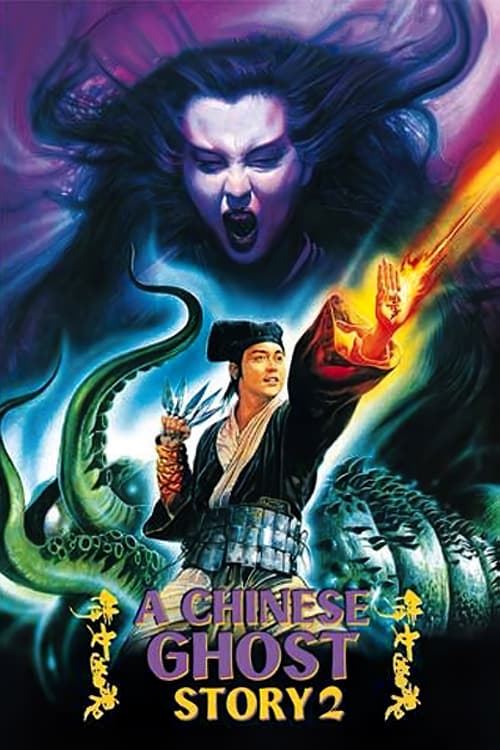
A Chinese Ghost Story II
1990
No user ratings available yet
Representation score: 6.1 out of 10
Representation Score
Fair
1987
NRDirector
Tony Ching Siu-Tung
Runtime
95 minutes
Average Rating
No ratings yetNew Showbiz Analysis
A Chinese Ghost Story is a prime example of traditional genre filmmaking. It emphasizes classical romantic melodrama and folkloric morality over the subversion of social hierarchies or diverse identities. The film excels at centering East Asian mythology, offering a rich cultural perspective through its use of Daoist iconography. While the female lead takes control, the narrative structure remains tied to conventional clichés. Ultimately, the work operates within established cultural and spiritual norms, focusing on supernatural tension rather than modern sociopolitical representation.
Category Breakdown
The film focuses on a traditional romantic storyline centered around heterosexual couples. The main relationship follows classic star-crossed lovers themes without delving into non-traditional gender identities.
Lan Nie shows significant independence and a strong desire for autonomy. However, her freedom remains tied to male intervention, adhering to traditional patriarchal rescue stories.
Set during the Song Dynasty, the film presents a culturally homogeneous environment. It centers East Asian mythology, offering a non-Western perspective on the fantasy genre.
The story uses Daoist iconography and spiritual structures to fight against evil forces. It upholds traditional moral order without challenging religious institutions.
Metaphysical conditions like being 'undead' serve as supernatural plot devices. They act as metaphors for lost autonomy but lack detailed exploration of disability experiences.
Present on Screen
Limited or Absent
Official Synopsis
A naïve young tax collector for the imperial government winds up spending the night in a haunted temple. There he falls in love with a beautiful woman who, unfortunately, is dead. With the aid of a powerful Daoist Swordsman, he must defeat undead hordes, overcome a sinister Tree Demoness, and descend to the pits of hell, to fight for the spirit he loves.
1990
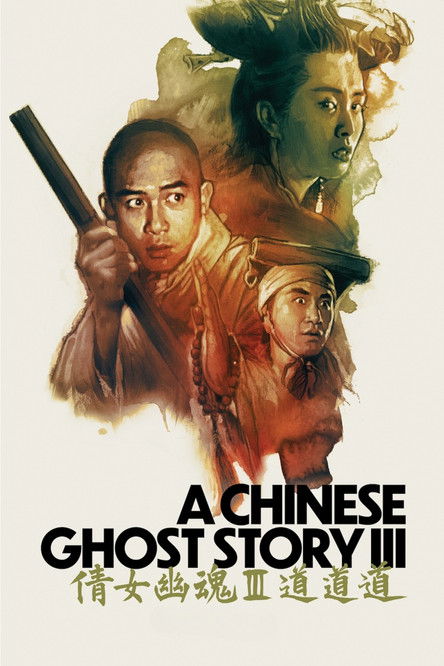
1991
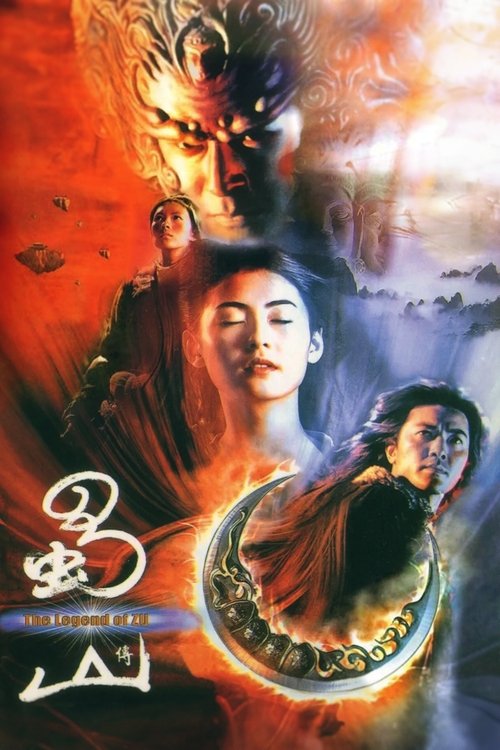
2001

2011
1989

2008
1996
1983
No reviews yet. Be the first to share your thoughts on this movie!
Use the rating form above to leave a star rating and optional review.