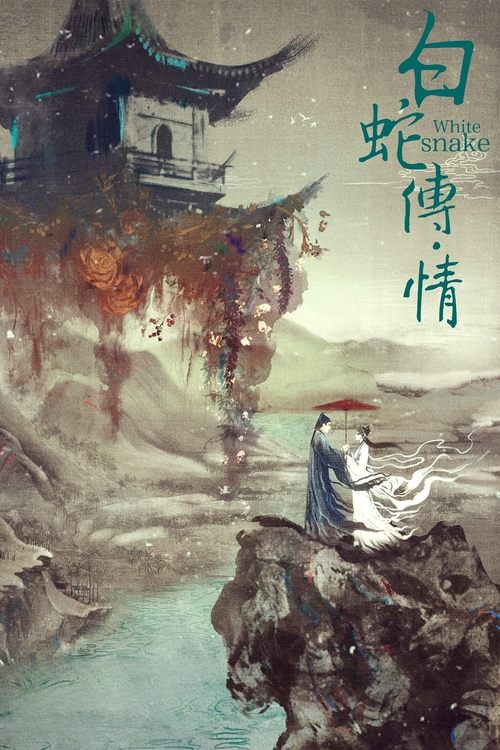
White Snake
2021
No user ratings available yet
Representation score: 5.4 out of 10
Representation Score
Fair
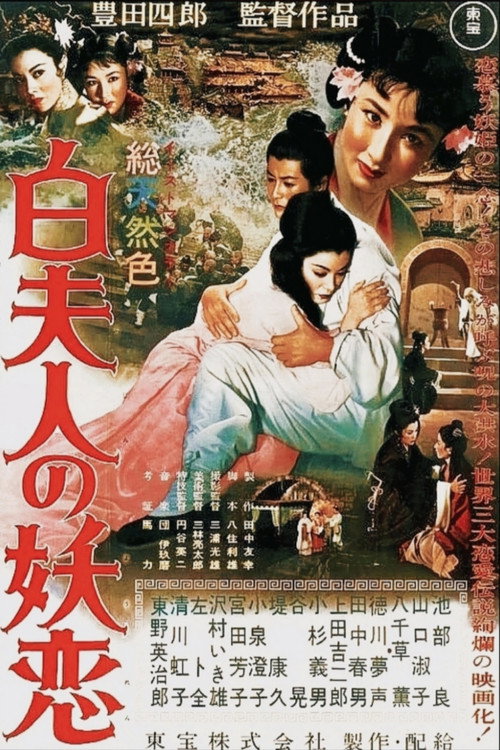
1956
Director
Shirō Toyoda
Runtime
103 minutes
Average Rating
No ratings yetNew Showbiz Analysis
The film stands out for its effective challenge to traditional gender roles, presenting a strong female lead with substantial influence over the plot. It also provides a thoughtful critique of religious institutions as potentially oppressive forces that can hinder personal freedom. However, the story is centered around a heterosexual relationship and does not include any LGBTQ+ identities. Additionally, the racial dynamics are shaped by the production context of a 1950s Asian co-production. Overall, the movie's strength lies in its intricate moral framework and its defiance of conventional power structures, though it falls short in representing diverse identities.
Category Breakdown
The story focuses solely on a heterosexual relationship between a man and a snake goddess. There are no characters with LGBTQ+ identities or subtexts.
Bai Suzhen breaks traditional stereotypes by being an active and influential character. She drives the emotional core of the story through her supernatural abilities.
This film is a joint production between Japan and China, providing a mythological backdrop rooted in Eastern traditions. The casting reflects the cultural exchanges typical of mid-20th century Asian filmmaking.
The film criticizes strict religious authority by portraying monastic rules as oppressive. It highlights the tension between human desires and the rigid application of religious laws.
There are no significant portrayals of physical or cognitive disabilities used as central plot devices or character traits.
Present on Screen
Limited or Absent
Official Synopsis
Lavish Japanese-Chinese coproduction based on an ancient Chinese legend about a man who falls in love with a snake goddess in human form.
2021

1993

1962
2008
1966
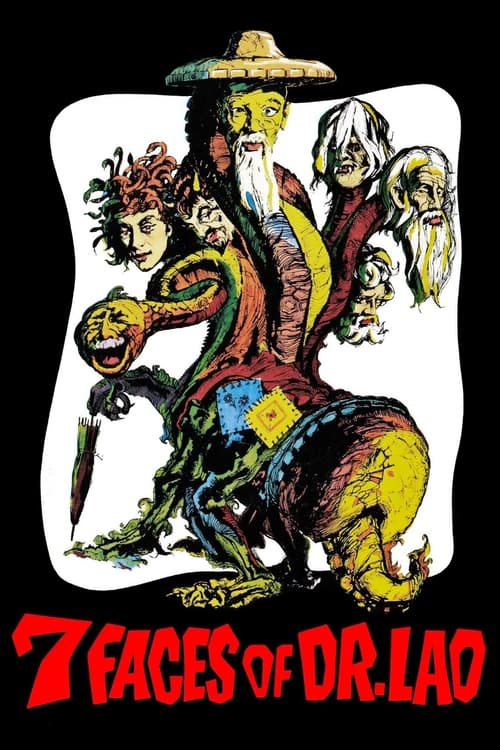
1964

1975

1979
No reviews yet. Be the first to share your thoughts on this movie!
Use the rating form above to leave a star rating and optional review.