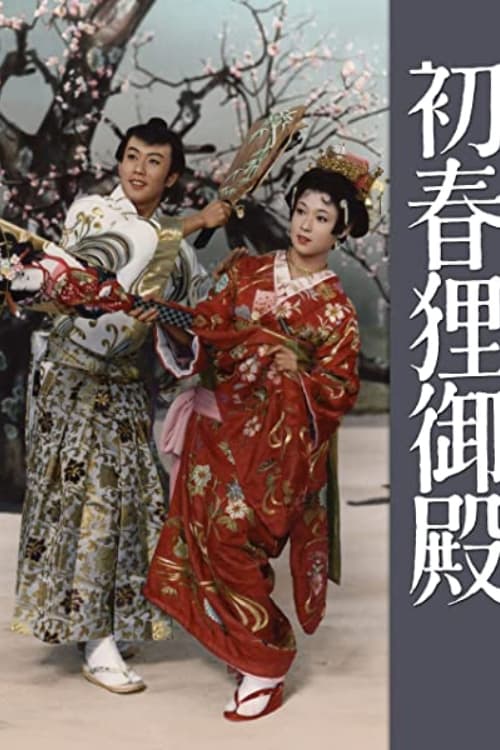
Enchanted Princess
1959
No user ratings available yet
Representation score: 5.2 out of 10
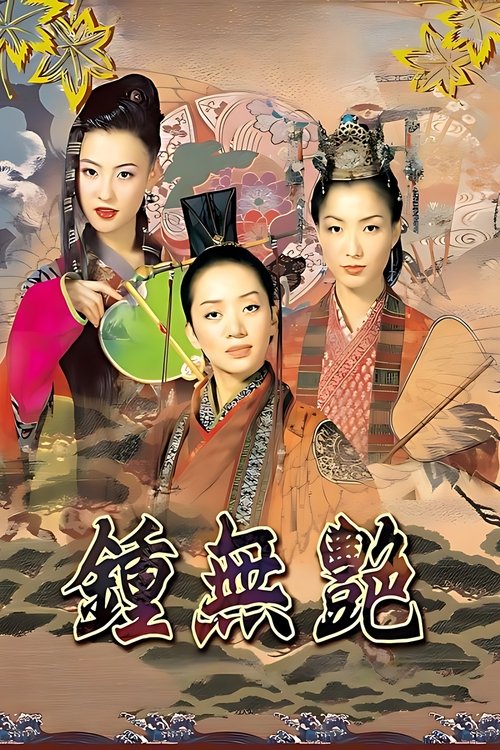
Representation Score
Fair
2001
Director
Johnnie To, Wai Ka-Fai
Runtime
123 minutes
Average Rating
No ratings yetNew Showbiz Analysis
The film uses fantasy clichés to challenge traditional power structures and romantic norms. The shape-shifting fox fairy offers a unique, non-binary perspective that questions standard monogamous relationships. While the movie disrupts gender hierarchies and imperial sanctity, it remains culturally homogeneous. The narrative is deeply rooted in its specific Hong Kong cinematic context. Ultimately, the film presents a sophisticated deconstruction of genre, emphasizing stylistic subversion and fluid identity over traditional, linear storytelling.
Category Breakdown
The fox fairy introduces a non-binary element by shifting between male and female forms, challenging traditional romantic norms and driving the central romantic conflict.
Wu Yen navigates complex roles with significant influence over the plot, while the Emperor is shown as more vulnerable and less stoic, reacting to chaotic desires.
The film features an ethnically homogeneous cast typical of its Hong Kong roots. It stays within a specific regional context without broadening its ethnic range.
The fantasy setting undermines imperial authority by depicting the Emperor as a figure of impulsive romantic struggle. Supernatural elements introduce moral ambiguity into the narrative.
There is no discernible representation of physical or neurodivergent disabilities within the film's narrative.
Present on Screen
Limited or Absent
Official Synopsis
Lost in the woods, the Emperor Qi stumbles across local chief Wu Yen, his predestined bride, only to accidentally free a promiscuous fox fairy who promptly falls in love with both of them, changing between man and woman to clumsily woo each, setting the scene for a constantly shifting triangle with the emperor torn between both the fox fairy and Wu Yen and the fox fairy after whichever one will agree to marry her first.
1959

1993
1981
1995

2005
1999
1991
1980
No reviews yet. Be the first to share your thoughts on this movie!
Use the rating form above to leave a star rating and optional review.