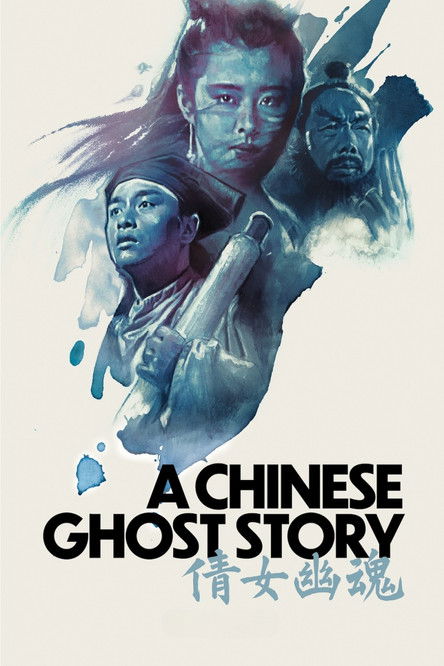
A Chinese Ghost Story
1987
No user ratings available yet
Representation score: 4.8 out of 10
Representation Score
Limited
1991
UnratedDirector
Tony Ching Siu-Tung
Runtime
109 minutes
Average Rating
No ratings yetNew Showbiz Analysis
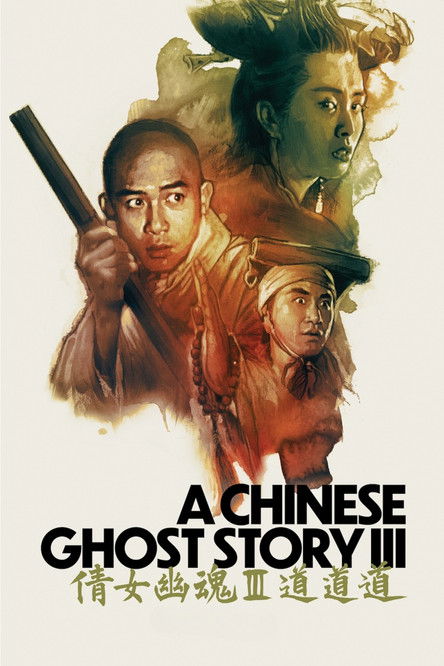
A Chinese Ghost Story III functions as a preservation of wuxia genre clichés rather than a disruption of social hierarchies. It prioritizes stylized action and traditional folklore over the deconstruction of established cultural norms. The film relies on a standard heroic structure where spiritual forces and supernatural entities drive the conflict. While culturally authentic to its period setting, it lacks intentionality toward representing multiple aspects of identity or challenging institutional hierarchies. Ultimately, the work serves as a quintessential genre piece. It focuses on the struggle between spiritual and supernatural realms through a lens of traditional Chinese spirituality and romantic archetypes.
Category Breakdown
The film follows traditional romantic storylines typical of 1990s Hong Kong fantasy. Relationships center around heterosexual pairings and spiritual mentorship rather than exploring diverse gender identities.
Female characters have strong supernatural abilities and martial skills. However, their roles often revolve around being romantic interests or catalysts for the male protagonist's journey within traditional structures.
Casting reflects the cultural authenticity of its ancient Chinese setting. The film avoids whitewashing but does not use non-human characters to represent underrepresented identities.
The narrative is deeply rooted in Buddhist folklore, using spiritual elements like a golden Buddha idol as central plot drivers. It aligns with traditional folklore clichés regarding social order.
Representation of disabilities is limited to genre-specific clichés. Supernatural ailments or ghostly states serve as plot devices rather than providing nuanced depictions of physical or neurodivergent conditions.
Present on Screen
Limited or Absent
Official Synopsis
100 years after the events of the first film, Buddhist Bai Yun and his disciple Fong journey through a small town to transport a golden idol of Buddha. However, local thieves thwart their journey, forcing them to take shelter at the ghostly Orchid Temple.
1987
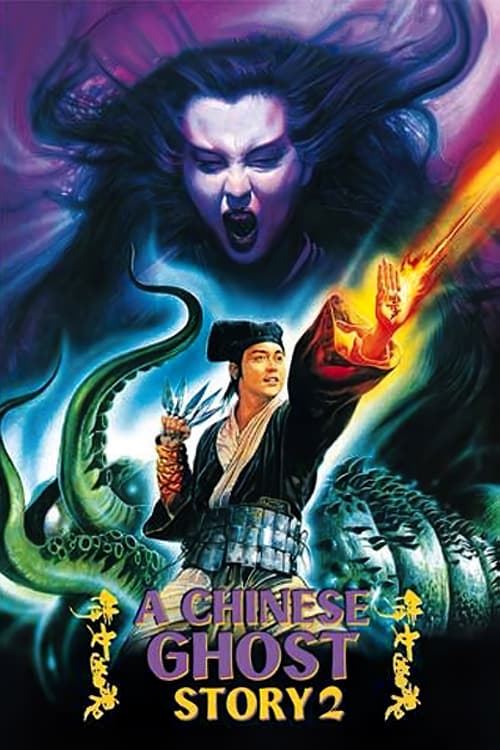
1990
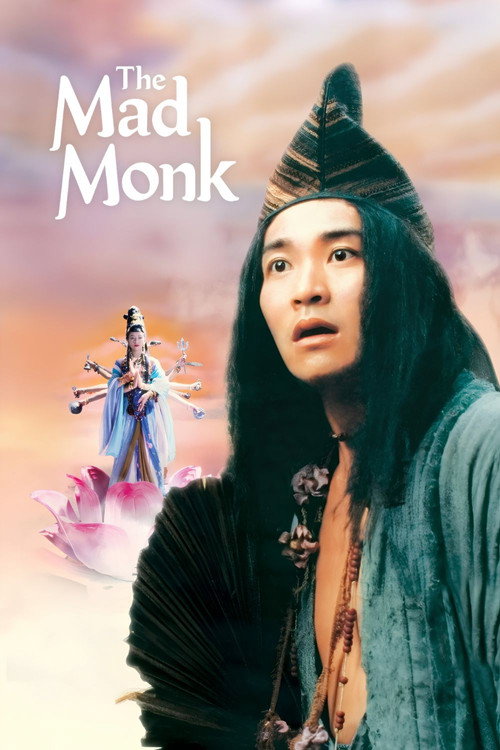
1993
1990
1991
1989
2005

1980
No reviews yet. Be the first to share your thoughts on this movie!
Use the rating form above to leave a star rating and optional review.