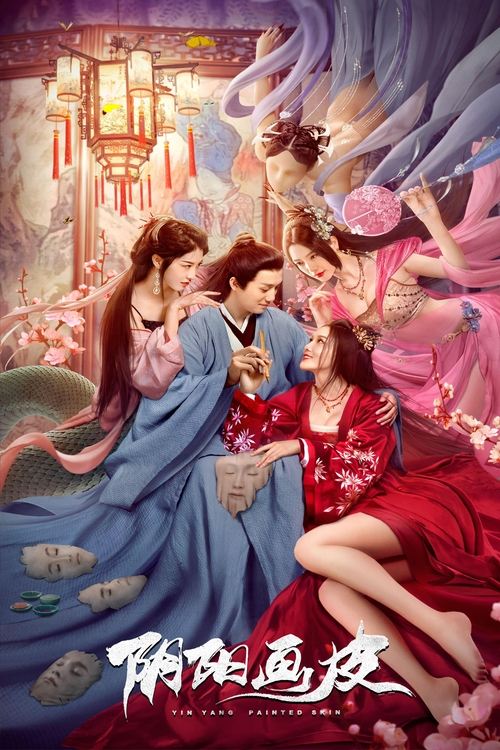
Yin Yang Painted Skin
2022
No user ratings available yet
Representation score: 2.2 out of 10
Representation Score
Good
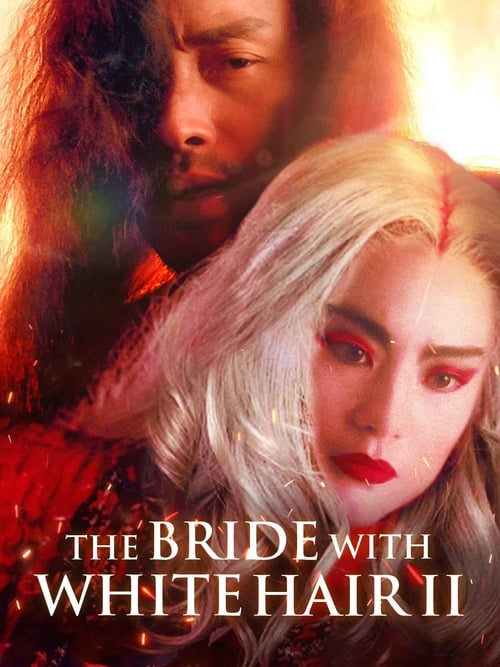
1993
Director
David Wu
Runtime
80 minutes
Average Rating
No ratings yetNew Showbiz Analysis
The film excels at disrupting traditional gender hierarchies by placing a powerful, autonomous woman at the center of the conflict. Ni-Chang’s influence and her female-led faction challenge the standard patriarchal structures typical of the genre. However, the narrative's exploration of mental health is limited, focusing more on psychological instability as a plot driver rather than a nuanced study of neurodivergence. The cultural scope is narrow, staying within a homogeneous East Asian framework. Overall, while the film provides a strong alternative to traditional gender roles, it lacks broader multi-layered depth regarding LGBTQ+ identities and diverse ethnic representation.
Category Breakdown
The film features a group of fighting women who operate outside traditional heterosexual norms, challenging the usual family structures. Though there is no confirmed same-sex relationship, the collective disrupts conventional patriarchal marriage norms.
Ni-Chang stands out as a strong subversion of the submissive female stereotype, showcasing significant martial prowess. The narrative shifts power dynamics from the male lead to a powerful female-led faction.
Set within the Wuxia tradition, the film offers a culturally specific East Asian perspective. However, the cast remains largely homogeneous within this cultural context.
The story critiques traditional familial and institutional morality by rejecting Ni-Chang's marital role. It emphasizes personal and subjective motivations over the rigid structures of the Eight Big Clans.
Ni-Chang’s psychological trauma and madness play a significant role in driving the plot. However, the film may rely too heavily on mental instability as a tragic plot device or a catalyst for villainy.
Present on Screen
Limited or Absent
Official Synopsis
For ten years, Cho has been in the snow of Mount Shin Fung waiting for a rare flower to blossom that will cure his wife who, back in Chung Yuan, is slowly killing all of the members of the Eight Big Clans. Something Cho did to her early in their marriage has turned her hair white and driven her mad. Cho's nephew, Kit, marries Lyre; they are deeply in love. On their wedding night, Ni-Chang, the bride with white hair, kidnaps Lyre and takes her to her harem of fighting women to indoctrinate her against Kit. Kit tries to lead a rescue party, but they are up against formidable opponents. Can Cho come in time with the blossom to soften Ni-Chang's heart?
2022
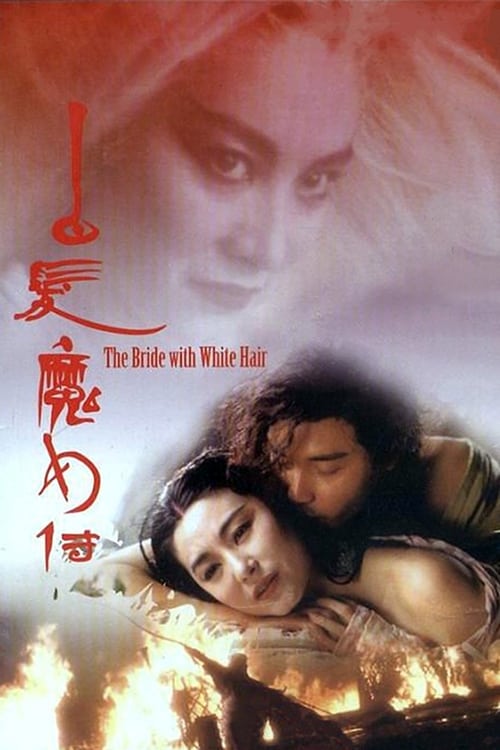
1993
2020
1993

2015
2021
1993
2001
No reviews yet. Be the first to share your thoughts on this movie!
Use the rating form above to leave a star rating and optional review.