
Agony: The Life and Death of Rasputin
1981
No user ratings available yet
Representation score: 4.0 out of 10
Representation Score
Fair
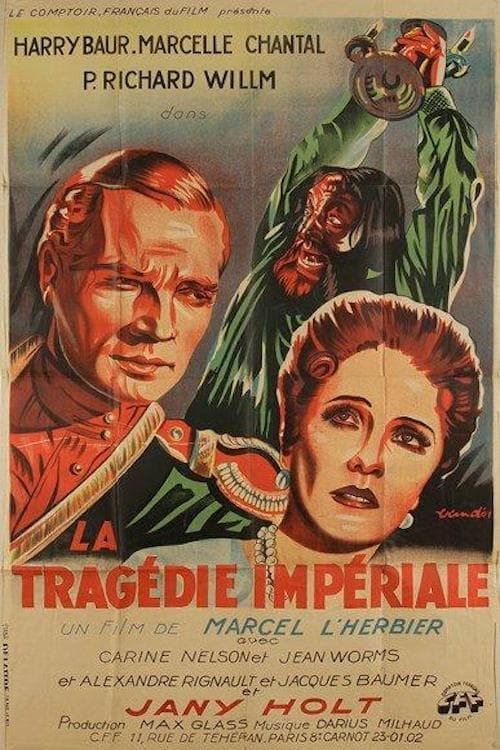
1938
Director
Marcel L'Herbier
Runtime
93 minutes
Average Rating
No ratings yetNew Showbiz Analysis
Marcel L'Herbier’s historical drama prioritizes the psychological and political collapse of the Russian monarchy over modern characters who reflect more than one aspect of diversity. The film functions as a localized study of imperial decay, focusing on the mystical influence of Rasputin over the Romanov court. While the film offers a nuanced deconstruction of institutional power and systemic corruption, it remains rooted in the homogeneous social structures of the era. It lacks meaningful representation of LGBTQ+ identities, diverse ethnicities, or disability. Ultimately, the work is a period-specific tragedy that explores individual roles and religious ambiguity rather than social diversity.
Category Breakdown
The film focuses on the straight-centered power dynamics of the Romanov court. There is no evidence of queer subtext or non-cisgender identities present in the narrative.
Empress Alexandra is a central figure, yet her role is often framed through vulnerability and reliance on mysticism. The film operates within established early 20th-century patriarchal hierarchies.
The cast and setting are largely homogeneous, reflecting the aristocratic demographics of Imperial Russia. The film lacks significant ethnic blending or diverse casting patterns.
The narrative critiques the decay of the Tsarist regime through religious mysticism and moral ambiguity. It explores the collapse of traditional monarchical institutions without adopting specific political stances.
The characters' struggles are primarily political and psychological. There is no discernible focus on physical disability or neurodivergence within the story.
Present on Screen
Limited or Absent
Official Synopsis
Story of the Siberian monk Gregory Rasputin and the hold he exerted over the court of the last Russian czar, Nicholas.
1981
1954
1996

1958
1918

1937
1955
1987
No reviews yet. Be the first to share your thoughts on this movie!
Use the rating form above to leave a star rating and optional review.