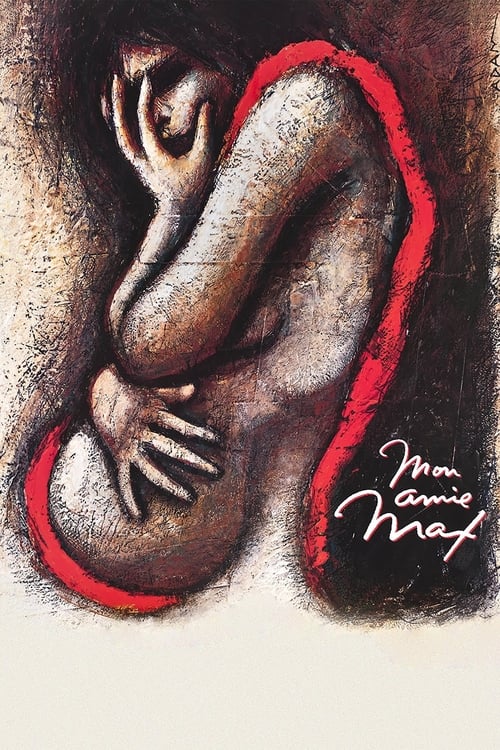
Mein Weg zu dir heißt Liebe
2004
No user ratings available yet
Representation score: 1.8 out of 10
Representation Score
Fair
1994
Director
Michel Brault
Runtime
106 minutes
Average Rating
No ratings yetNew Showbiz Analysis
Michel Brault’s drama excels as a nuanced exploration of gender and institutional critique. By focusing on the emotional struggles of women, the film challenges traditional storytelling that often sidelines women's professional and personal conflicts. However, the film is constrained by its narrow demographic focus. The narrative remains rooted in a culturally specific, homogeneous environment, offering little in the way of racial or ethnic diversity. Ultimately, the work finds its strength in dismantling societal expectations around motherhood and autonomy, even though it lacks explicit representation of other underrepresented identities.
Category Breakdown
The film delves into a profound, unconventional closeness between two women that goes beyond typical friendships. Although it doesn't use explicit LGBTQ+ terms, the intense emotions hint at a move away from assumptions about straight relationships.
The story centers on women's empowerment and the complexities of being a woman. It looks at the tension between career ambitions and the impact of women's independence in the face of systemic pressures.
The narrative focuses on a culturally specific and largely uniform social setting. There is no indication of significant racial or ethnic diversity within the main character arcs.
The film criticizes traditional Western and institutional systems, particularly the coercive power of family units and state services. It portrays the traditional family as a source of trauma rather than stability.
There are no visible or invisible disabilities highlighted as central to the character arcs in this story.
Present on Screen
Limited or Absent
Official Synopsis
Catherine, a concert pianist, is surprised one night by the arrival of her best friend from childhood, Marie-Alexandrine (Max), whom she hasn't seen for 25 years. Catherine and Max were Québec's most promising young pianists in the mid-1960's when the adventurous Max gets pregnant. She wants to keep the child, but her mother forces her to give him up for adoption; afterwards, Max leaves Québec and music. Now, years later, she returns, obsessed with finding her son. She locates the adoption records, and social services contacts her son to ask if he wants to see her. He refuses, but she keeps trying. Is a relationship with him possible? And what about her musical talent?
2004

1977

1991
1995

2016
1957

1975
1999
No reviews yet. Be the first to share your thoughts on this movie!
Use the rating form above to leave a star rating and optional review.