Kiss Me
1989
No user ratings available yet
Representation score: 4.4 out of 10
Representation Score
Fair
1998
Director
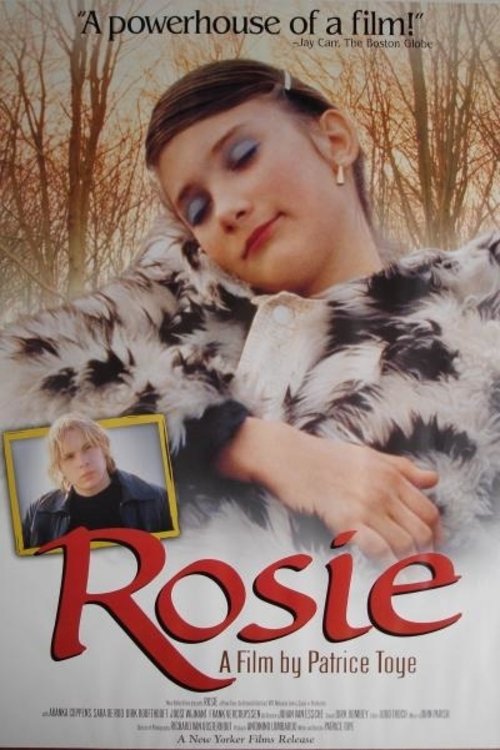
Patrice Toye
Runtime
97 minutes
Average Rating
No ratings yetNew Showbiz Analysis
Rosie explores unconventional kinship and the pressures of the juvenile justice system, emphasizing socio-economic realism over overt identity politics. The film disrupts traditional family structures, particularly through the secret relationship between Irene and Rosie, providing a nuanced look at female-centric survival and domestic complexity. However, the narrative lacks explicit LGBTQ+ representation, racial diversity, or disability details, focusing instead on socio-economic and familial instability.
Category Breakdown
The story centers around Rosie's straight romantic fantasies about Jimi. There are no visible queer characters or challenges to traditional attraction in the narrative.
The film emphasizes the complex bond between Rosie and Irene, showcasing women's ability to drive the story. This relationship subverts traditional family dynamics by presenting a mother-daughter relationship as a sibling bond.
The narrative lacks explicit details about the racial or ethnic makeup of the cast. The focus is on socio-economic realism rather than specific demographic identifiers.
The film deconstructs the idealized middle-class family through unconventional kinship and domestic secrets. It also critiques state institutions via the juvenile justice system.
There is no information about characters with physical, neurodivergent, or mental health disabilities.
Present on Screen
Limited or Absent
Official Synopsis
In a juvenile lockup, a new ward answers questions: she's Rosie, 13, no parents, a sister Irene, a brother Michel. In flashbacks we find out what happened. She lives with Irene, who's 27, whom Rosie knows is in fact her mother, but that's their secret. Irene's brother Michel, unemployed, a compulsive gambler, comes to stay with them. Around then, Irene meets Bernard; they come to care for each other. This leaves Rosie without attention, so she puts all her adolescent hopes and romantic fantasies into a relationship with Jimi, a good looking kid she sees on a bus. Is it adventures with Jimi that land her in juvie? Once she's there, why doesn't he answer her letters?
1989
2002

1999
2004

1997
2001

1979
2023
No reviews yet. Be the first to share your thoughts on this movie!
Use the rating form above to leave a star rating and optional review.