
Paris Awakens
1991
No user ratings available yet
Representation score: 5.0 out of 10
Representation Score
Fair
2012
Director
Sandrine Bonnaire
Runtime
98 minutes
Average Rating
No ratings yetNew Showbiz Analysis
Sandrine Bonnaire’s drama centers on the psychological realism of fractured human connections. It highlights women's ability to drive the story, allowing Mado to navigate complex emotional landscapes and set the terms of her relationships. However, the film remains limited by a lack of racial and ethnic diversity, presenting a relatively homogeneous social setting. While it explores non-traditional family units, it lacks explicit queer identity or critiques of the assumption that everyone is straight or cisgender. Ultimately, the film provides a nuanced look at interpersonal dynamics, avoiding patriarchal clichés by focusing on the volatility of individual desires and the fragility of reconstructed family units.
Category Breakdown
The film showcases a non-traditional domestic relationship between Mado and Stéphane, avoiding explicit queer identity but moving away from the single male patriarch model.
Mado plays a central role in driving the story, exercising a significant role in driving the story. The film challenges traditional hierarchies by making the male characters subject to her decisions and boundaries.
The cast seems to reflect a homogeneous social environment, with no evidence of significant racial or ethnic diversity.
The story emphasizes subjective emotional truths over rigid social morals. It portrays the family as a fragile construct rather than a traditional institution.
There are no visible or mentioned depictions of physical or neurodivergent disabilities in the narrative.
Present on Screen
Limited or Absent
Official Synopsis
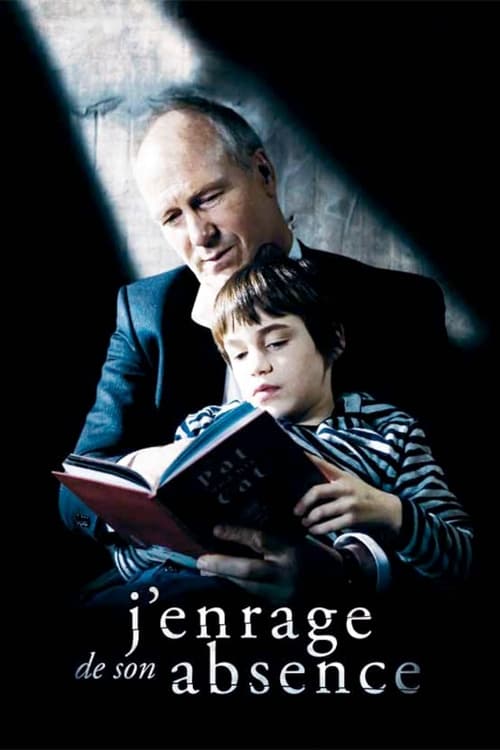
After ten years, Jacques comes back to France to handle his father’s succession. He had left France to live in the USA to escape a painful past he shared with Mado, his former wife, who in the meantime built a new life with Stéphane and their 7 year old son, Paul. Upon his return, Jacques and Mado meet again; he asks to meet her son Paul; Mado hesitates, then accepts but hides it from her husband. Soon, Paul and Jacques get close and they start to see each other secretly.
1991

2018

2004

2009

2012

2016
2001
2006
No reviews yet. Be the first to share your thoughts on this movie!
Use the rating form above to leave a star rating and optional review.