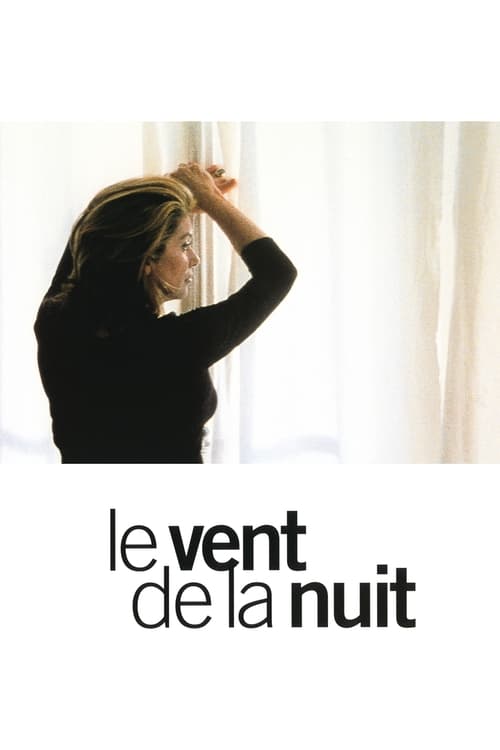
The Wind of the Night
1999
No user ratings available yet
Representation score: 7.1 out of 10
Representation Score
Fair
1996
Director
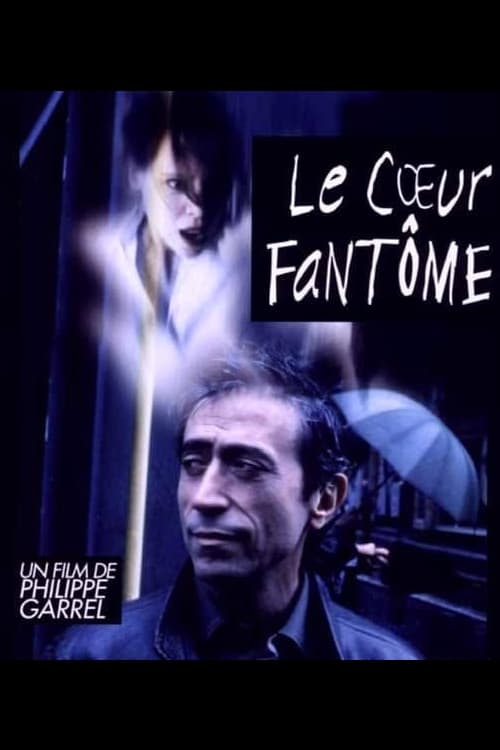
Philippe Garrel
Runtime
87 minutes
Average Rating
No ratings yetNew Showbiz Analysis
Philippe Garrel’s work focuses on individual characters while challenging the rigidity of established social norms. The film moves away from stable, institutionalized morals, choosing instead to explore a fluid, subjective understanding of human connections. While the film successfully breaks down the traditional nuclear family and examines existential relationship dynamics, it remains confined to a Eurocentric perspective. The story lacks significant racial diversity or visible disability representation, keeping the scope within a localized interpersonal drama. Ultimately, the film's strength lies in its departure from conventional narrative arcs and its rejection of the traditional provider role, favoring a more nuanced emotional landscape.
Category Breakdown
The film explores emotions and non-traditional bonds linked to the idea of love that isn't tangible. However, it doesn't show clear examples of diverse gender identities.
The story challenges typical male-dominated narratives by focusing on the breakdown of the home environment. It highlights women's influence through emotional depth and by disrupting the usual male-centered stability.
The drama seems focused on local, European interpersonal relationships. There is no indication of a predominantly non-white cast or actors playing roles traditionally associated with different races.
The film questions the traditional Western family structure by presenting family breakdown as a starting point for philosophical thinking. It emphasizes personal ethics over societal rules.
There is no clear depiction of physical or neurological disabilities in the story.
Present on Screen
Limited or Absent
Official Synopsis
Philippe is a middle-aged painter, he lives with Annie : they have two kids. Just after they split up, Philippe meets Justine. He starts thinking about love, the relationship between former lovers..
1999
1970

1993

2018
2004

2017
1991

2020
No reviews yet. Be the first to share your thoughts on this movie!
Use the rating form above to leave a star rating and optional review.