Orphans
2007
No user ratings available yet
Representation score: 8.2 out of 10
Representation Score
Good
2011
Not RatedDirector
Nancy Savoca
Runtime
80 minutes
Average Rating
No ratings yetNew Showbiz Analysis
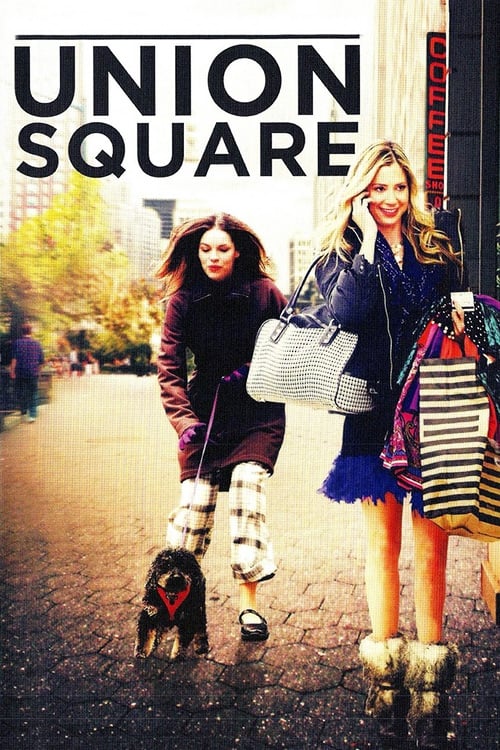
Union Square is a sophisticated look at identity and the collapse of social norms. It excels at challenging traditional gender roles by highlighting women's decision-making and emotional experiences. However, the film remains limited by a uniform social setting. The cast lacks significant racial and ethnic diversity, and the narrative sticks to conventional romantic frameworks without delving into LGBTQ+ perspectives. Ultimately, the film prioritizes psychological complexity over broad demographic representation. It encourages viewers to accept human dysfunction through a postmodern lens rather than a traditional moral one.
Category Breakdown
The film focuses on traditional romantic relationships and the end of conventional partnerships. It does not feature prominent LGBTQ+ characters or stories that challenge the idea that everyone is straight.
The story centers on women taking charge of their lives and making independent decisions. It breaks down traditional power structures by showing fluid relationships between women and men.
The cast is mainly made up of white, middle-class urban residents. The film does not explore a wide range of ethnic backgrounds, focusing instead on a homogeneous group.
The story examines personal freedom and the conflict between individual choices and family responsibilities. It questions the traditional family structure through a lens of situational ethics.
There are no prominent depictions of visible or invisible disabilities. Characters are defined by their socioeconomic status and personal conflicts rather than physical or neurological differences.
Present on Screen
Limited or Absent
Official Synopsis
Jenny has rejected her tumultuous family and cut off communication, seeking a more ordered life far from her roots in the Bronx. And she's almost ready to commit to her longtime fiancé when her sister Lucy — the personification of all that Jenny has been trying to flee — surprises her at a critical time. Lucy and Jenny's combustible reunion brings both of them to unforeseen places, shattering and reconstructing the worlds they have both carefully constructed.
2007

1989
2012

2016
2013

2018

2013
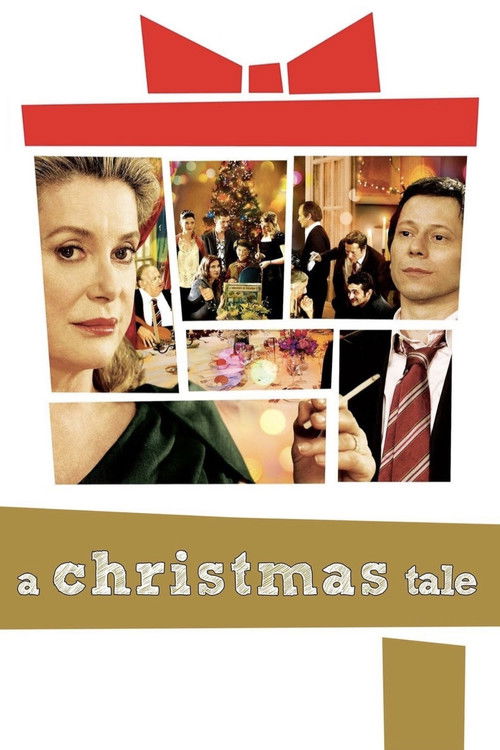
2008
No reviews yet. Be the first to share your thoughts on this movie!
Use the rating form above to leave a star rating and optional review.