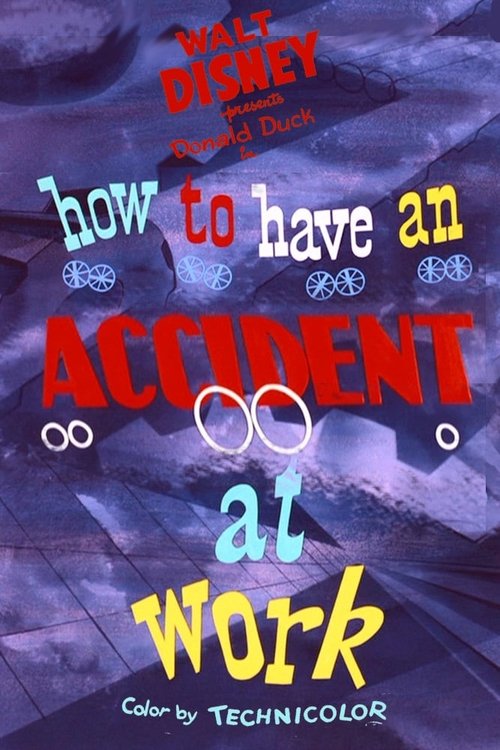
How to Have an Accident at Work
1959
No user ratings available yet
Diversity score: 1.4 out of 10
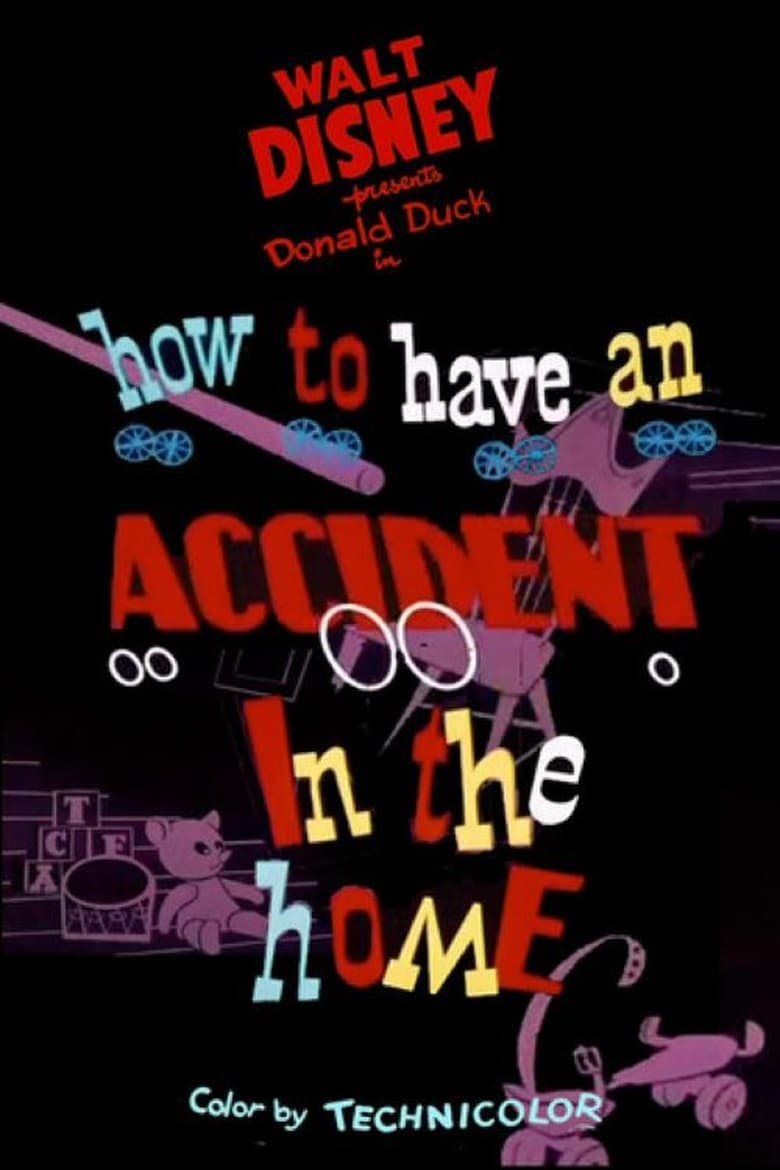
1956
NRDirector
Charles August Nichols
Runtime
7 minutes
Average Rating
No ratings yetSynopsis
It's a peaceful day in a local city when suddenly, duck J.J. Fate appears to lecture us on how "fate" isn't to blame for accidents, people are! He uses Donald Duck as an example. Donald is extremely accident prone. He lights his pipe in a room with a gas leak, slips on a throw rug while carrying a fish bowl, overloads electrical outlets, and continually falls down the stairs. Finally, Donald has had enough and fixes his house guaranteeing no more accidents. That's good for Donald but the rest of the accident prone city still has to learn "not to blame fate for your carelessness".
Overall Score
Minimal
Category Breakdown
LGBTQ+ Representation
The film contains no depictions of LGBTQ+ characters or non-cisnormative identities. The focus remains entirely on slapstick interactions between central animated figures.
Gender Representation
Characters adhere to traditional mid-century archetypes within a domestic setting. They function as vessels for physical comedy rather than complex figures challenging gendered power dynamics.
Racial & Ethnic Diversity
The setting presents a homogeneous environment typical of mid-century animation. There is no evidence of racial or ethnic diversity within the cast or depicted setting.
Religious & Cultural Diversity
The narrative emphasizes personal accountability and domestic order over systemic critique. It lacks any significant engagement with religious frameworks or critiques of Western institutions.
Disability Representation
Donald Duck’s extreme clumsiness is used strictly as a comedic device for slapstick. These traits do not serve as meaningful explorations of neurodivergence or physical disability.
Strengths
Areas for Improvement
AI Analysis
This animated short functions as a didactic instructional piece, using Donald Duck's misfortunes to lecture viewers on personal responsibility. The narrative structure prioritizes individual agency and domestic order, reinforcing conventional social norms of the 1950s. The film lacks intentionality regarding intersectional representation. It presents a homogeneous world that avoids any engagement with diverse identities, focusing instead on the comedic consequences of human error and carelessness.
1959
1947
1948
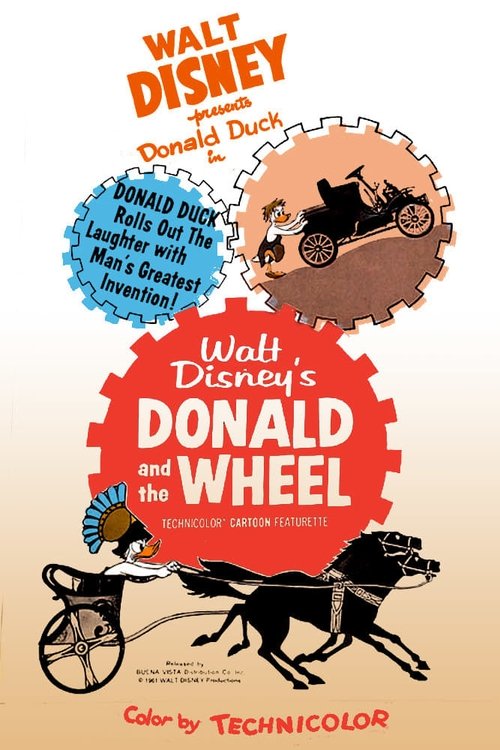
1961
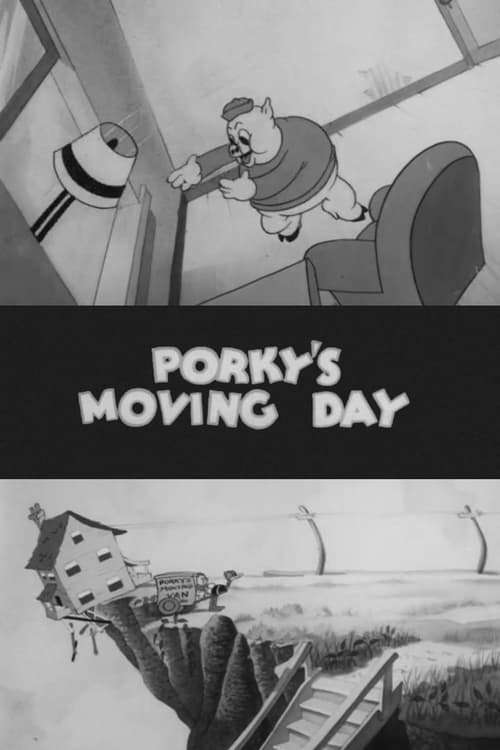
1936
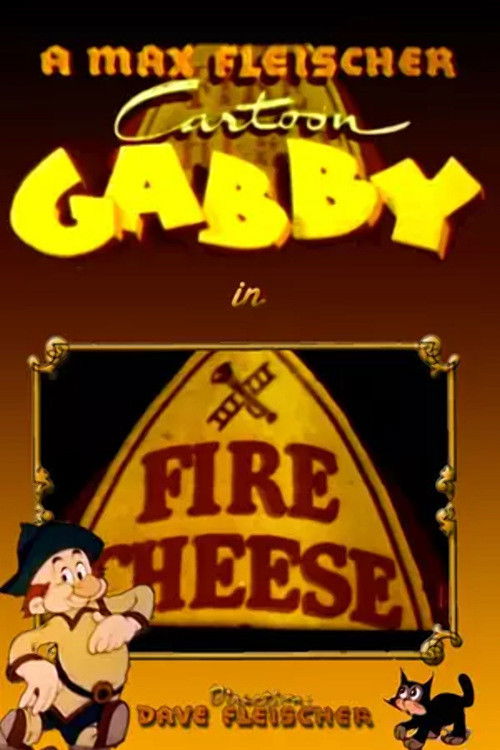
1941
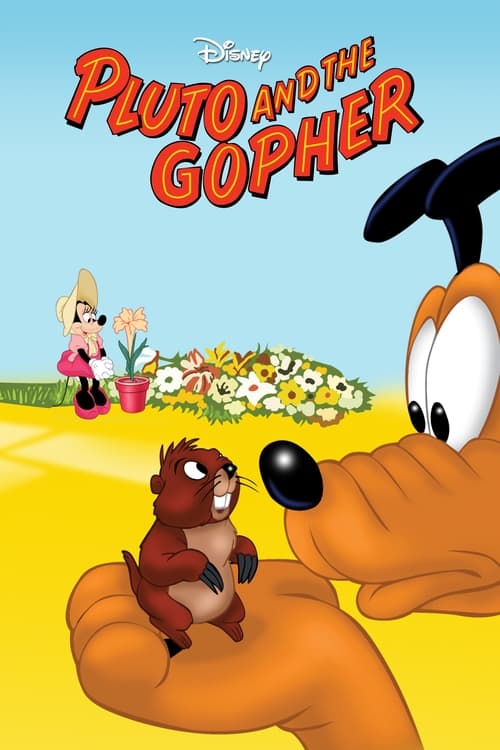
1950
1948
1946
1960
1953
1954
No reviews yet. Be the first to share your thoughts on this movie!
Use the rating form above to leave a star rating and optional review.