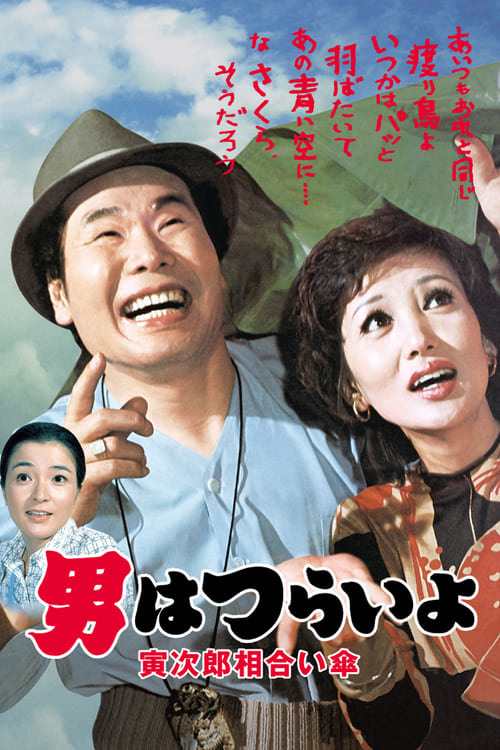
Tora-san Meets the Songstress Again
1975
No user ratings available yet
Representation score: 1.1 out of 10
Representation Score
Minimal
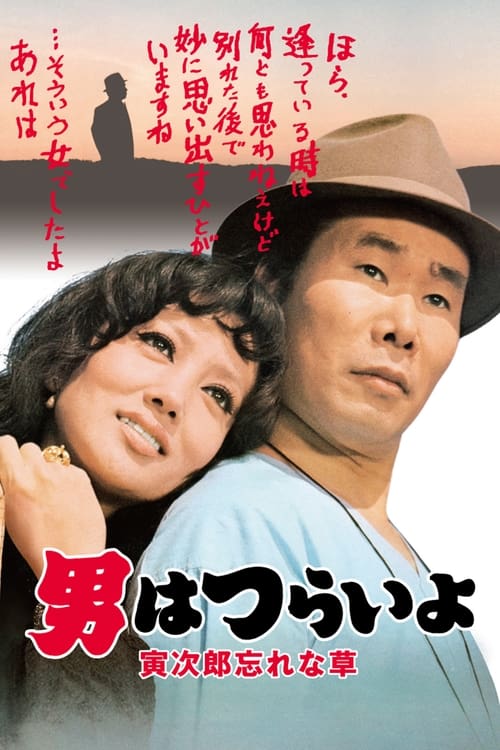
1973
Director
Yoji Yamada
Runtime
99 minutes
Average Rating
No ratings yetNew Showbiz Analysis
Tora-san's Forget Me Not is a culturally specific exploration of traditional Japanese social structures. It excels at capturing the essence of Shitamachi culture and the tension between itinerant lifestyles and a modernizing corporate society. However, the film lacks multi-layered complexity. The narrative relies on traditional gender roles and a straight-centered romantic structure, offering limited space for diverse identities or systemic critique. Ultimately, the work serves as a cinematic preservation of a specific era's social fabric rather than a tool for challenging modern hierarchies.
Category Breakdown
The film adheres to the assumption that everyone is straight or cisgender. It does not include any representations of non-traditional gender identities or same-sex relationships.
Female characters such as Lily are portrayed primarily through romantic availability or service roles. The film upholds traditional mid-20th-century social hierarchies instead of challenging them.
The cast is ethnically uniform, reflecting the specific Shitamachi culture of the time period. It does not offer a broad range of ethnic identities or multi-layered diversity.
The narrative provides a nuanced look at cultural transition and nostalgia for fading traditions. It critiques rapid modernization through a lens of bittersweet sentimentality.
There are no prominent depictions of physical or neurodivergent disabilities within the main character arcs.
Present on Screen
Limited or Absent
Official Synopsis
On the road again, Torajiro meets a kindred spirit in Lily, a lounge singer.
1975
1958
1969

1960
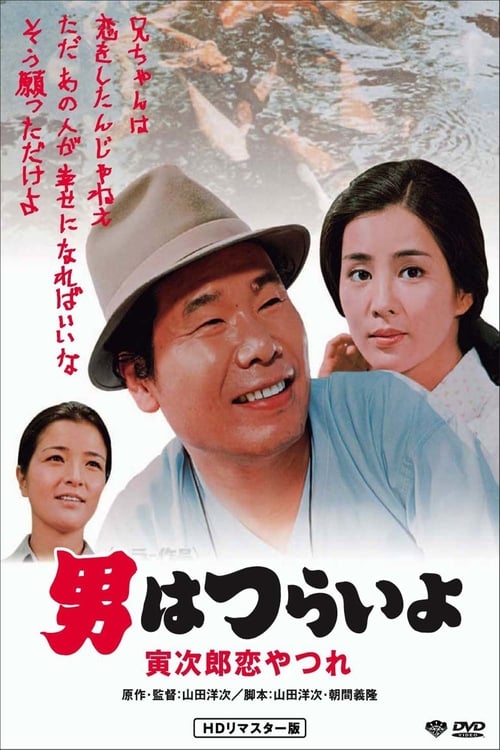
1974
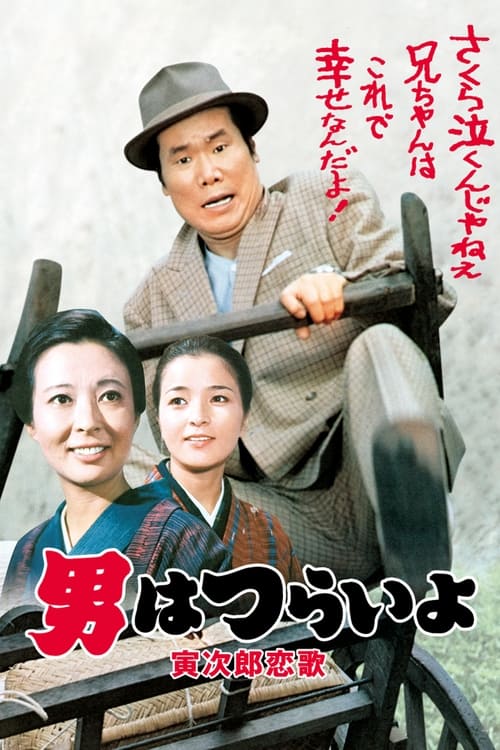
1971
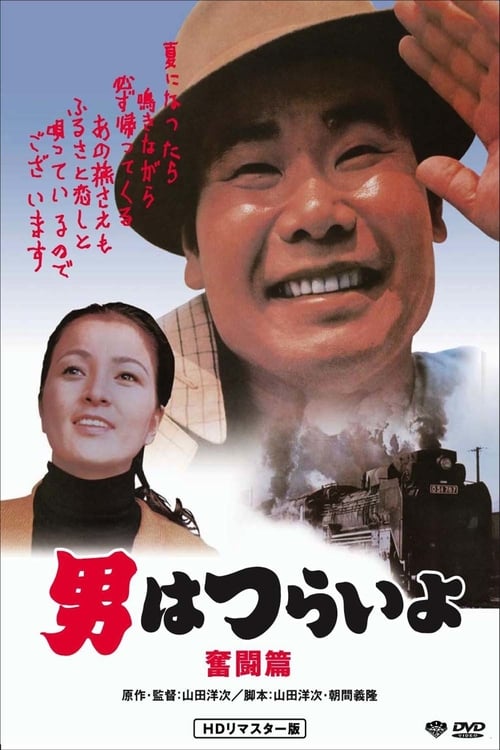
1971
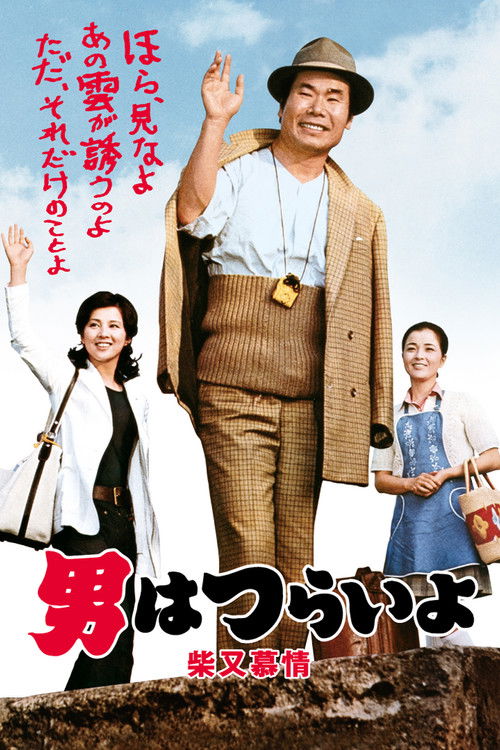
1972
No reviews yet. Be the first to share your thoughts on this movie!
Use the rating form above to leave a star rating and optional review.