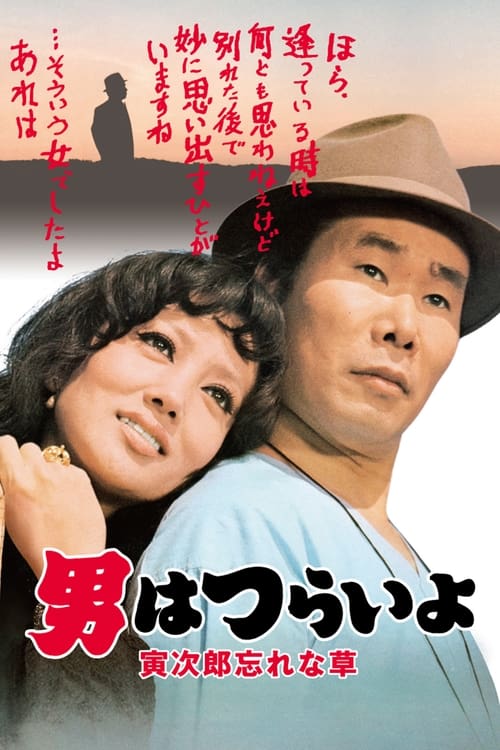
Tora-san's Forget Me Not
1973
No user ratings available yet
Representation score: 1.2 out of 10
Representation Score
Minimal
1972
Director
Yoji Yamada
Runtime
108 minutes
Average Rating
No ratings yetNew Showbiz Analysis
Tora-san's Dear Old Home is a deeply localized character study that prioritizes historical and social authenticity over modern progressive representation. It captures the essence of the Japanese working class through a nostalgic lens. The film excels at portraying the communal values of the shitamachi district, offering a subtle critique of Western-influenced capitalism and urban atomization. However, this cultural depth is offset by a lack of demographic variety. Representation remains tethered to the social constraints of 1970s Japan, relying on traditional gender hierarchies and a homogeneous cast, keeping the film firmly within the realm of conventional mid-century storytelling.
Category Breakdown
The film focuses solely on heterosexual relationships and traditional courtship. It does not include any representation of LGBTQ+ identities or same-sex intimacy.
The narratives are driven primarily by the male protagonist, with women often serving as emotional anchors or objects of longing. The film reinforces traditional gender roles and female stereotypes.
The setting presents a homogeneous social environment reflecting a specific Japanese demographic. It lacks diverse ethnic backgrounds, focusing instead on a localized, culturally specific working-class identity.
The story emphasizes the communal spirit of the shitamachi district against rapid modernization. It offers a sentimentalized view of traditional Japanese customs and social values.
There is no significant focus on visible or invisible disabilities. Characters are defined by their socioeconomic status and interpersonal relationships.
Present on Screen
Limited or Absent
Official Synopsis
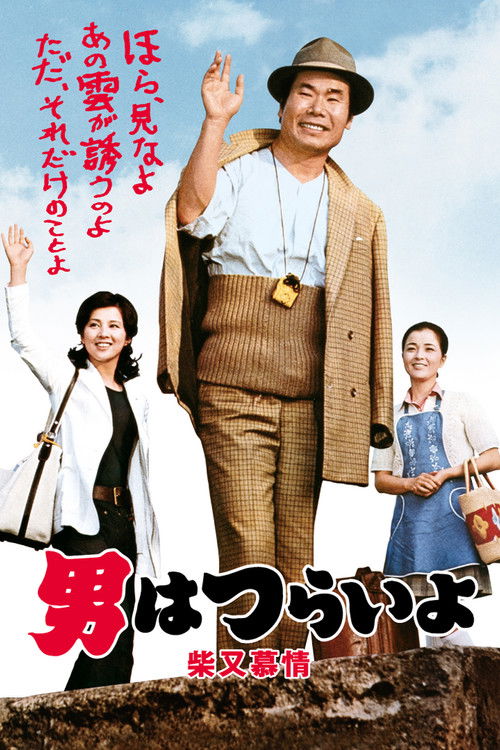
While Sakura and Hiroshi struggle to save funds to build a house, Torajiro befriends three young women on vacation during his travels.
1973

1960
1971

1983
1974
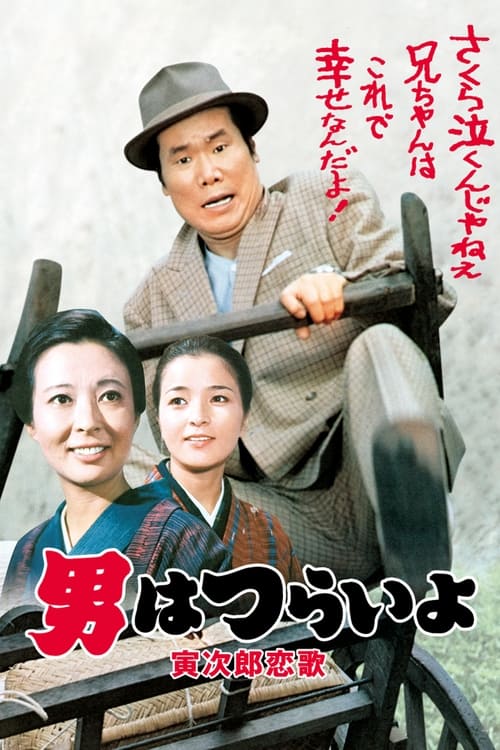
1971
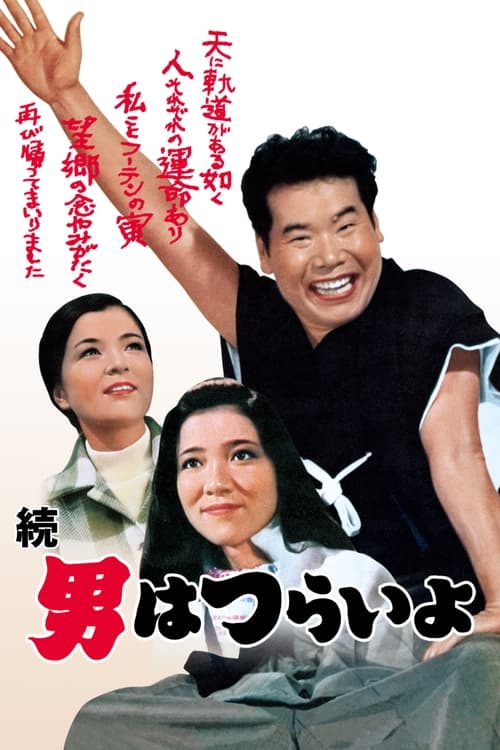
1969
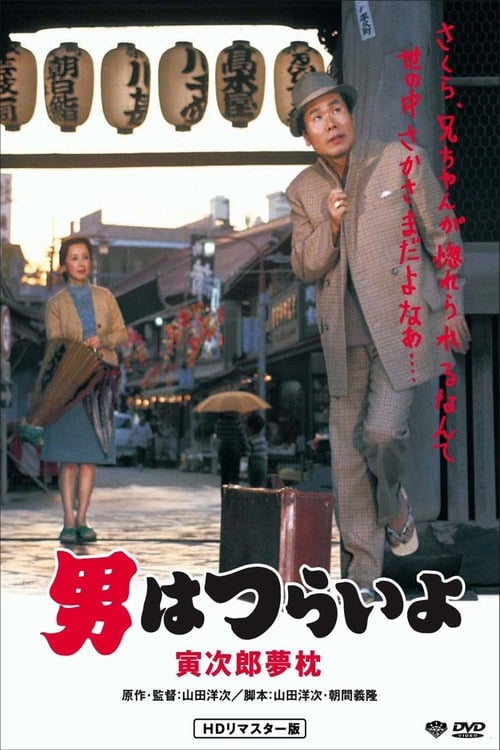
1972
No reviews yet. Be the first to share your thoughts on this movie!
Use the rating form above to leave a star rating and optional review.