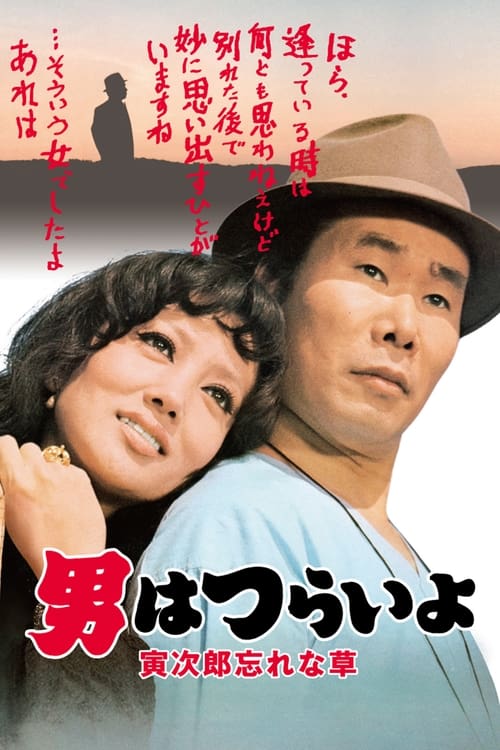
Tora-san's Forget Me Not
1973
No user ratings available yet
Representation score: 1.2 out of 10
Representation Score
Minimal
1975
Director
Yoji Yamada
Runtime
91 minutes
Average Rating
No ratings yetNew Showbiz Analysis
Yoji Yamada’s film is a deeply humanistic study of the Japanese working class, emphasizing the dignity of everyday citizens. It excels at capturing the nuances of social strata and the warmth of traditional community life. However, the film adheres closely to conventional social and cultural frameworks, avoiding systemic disruption or diverse representation. It presents a sentimental celebration of the existing social fabric rather than challenging it. Ultimately, the work functions as a nostalgic tribute to the traditional social order without questioning its foundations.
Category Breakdown
The film does not include LGBTQ+ characters or non-straight relationships. Romantic storylines center around traditional courtship and heterosexual interests without any queer undertones.
While Lily plays a significant role in her singing career and post-divorce life, the narrative remains male-dominated. Women often fill stereotypical roles within a patriarchal society.
The cast is culturally uniform, reflecting the demographics of 1970s Japan. It focuses on the local Japanese working-class life without multicultural casting.
The story offers a nostalgic view of traditional community ties versus urban capitalism. It celebrates communal values through a traditional moral lens.
There is no significant presence of characters with visible or invisible disabilities in the narrative.
Present on Screen
Limited or Absent
Official Synopsis
Tora-san visits Hokkaido and is reunited with Lily. Now divorced, she plans to resume her singing career and renews her unusual relationship with Tora-san.
1973
1958
1974

1960
1975
1975
1971
1971
No reviews yet. Be the first to share your thoughts on this movie!
Use the rating form above to leave a star rating and optional review.