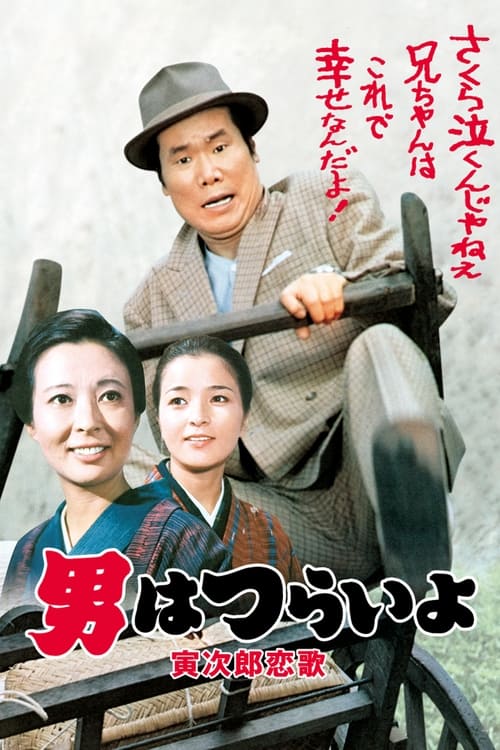
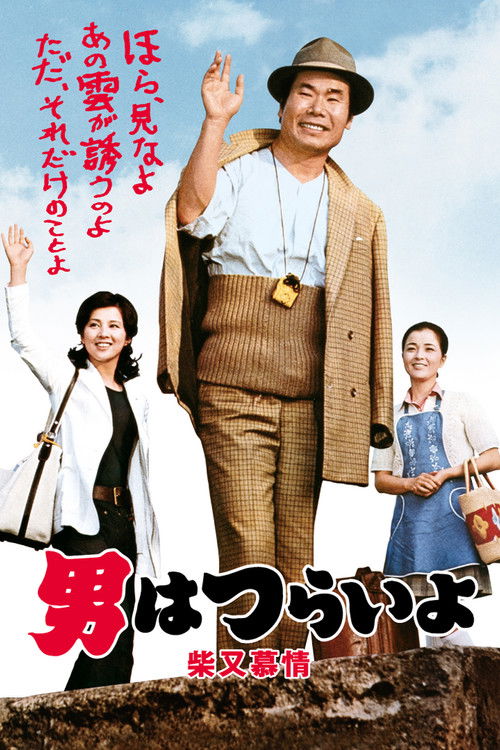
Tora-san's Love Call
1971
No user ratings available yet
Representation score: 1.9 out of 10
Representation Score
Limited
1974
Director
Yoji Yamada
Runtime
104 minutes
Average Rating
No ratings yetNew Showbiz Analysis
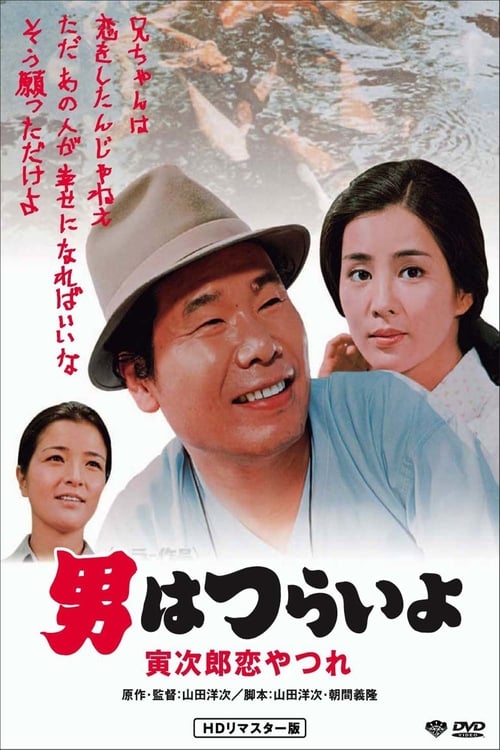
Tora-san's Lovesick is a deeply localized character study that prioritizes domestic realism and the pathos of the working class. It excels in its humanistic portrayal of family dynamics and the subversion of traditional masculine competence through Sakura's emotional maturity. However, the film remains rooted in the social norms of 1974. It lacks diverse representation, focusing instead on a homogeneous Japanese cultural experience. Ultimately, the film's strength lies in its psychological depth regarding gender roles, while reinforcing traditional social cohesion and avoiding broader systemic disruption.
Category Breakdown
The film does not include any LGBTQ+ characters or non-straight relationships. Romantic storylines focus solely on traditional courtship and marriage within the context of the era.
Sakura provides a nuanced subversion of gender hierarchies by acting as the family's emotional and intellectual anchor. her ability to act contrasts with Torajiro's comedic instability and ineffective masculinity.
The cast and setting are ethnically uniform, emphasizing the working-class Japanese experience. The narrative highlights a specific, localized cultural identity without incorporating ethnic diversity.
The storyline examines the tension between traditional Japanese institutions and modernization. It underscores the significance of family units and communal bonds over broader societal critiques.
There are no prominent depictions of visible or invisible disabilities. Characters are characterized primarily by their personalities and socioeconomic status, rather than physical or neurological conditions.
Present on Screen
Limited or Absent
Official Synopsis
After Torajiro's latest attempt to find a bride goes awry, he starts traveling again and runs into Utako (last seen in Tora-san's Dear Old Home), now a widow.
1971
1983
1973
1960
1971
1969
1975
1972
No reviews yet. Be the first to share your thoughts on this movie!
Use the rating form above to leave a star rating and optional review.