
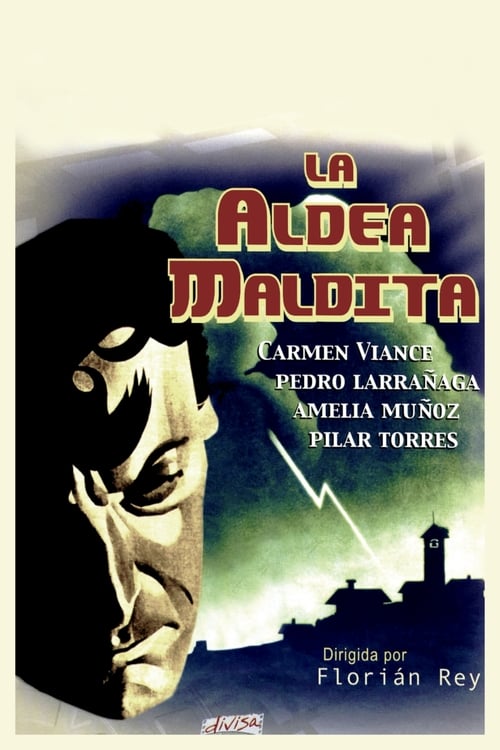
The Cursed Village
1942
No user ratings available yet
Representation score: 1.3 out of 10
Representation Score
Limited
1930
Director
Florián Rey
Runtime
57 minutes
Average Rating
No ratings yetNew Showbiz Analysis
This regionalist period drama emphasizes social realism over the subversion of traditional hierarchies. While it offers a detailed look at economic hardship and corruption, it stays true to the social norms of its time. The narrative centers on a farmer's battle against a loan shark, providing insight into systemic issues like drought and debt. However, this focus does not extend to the inclusion of diverse identities or underrepresented groups. Overall, the film serves as a traditional examination of rural struggles, without the multi-layered complexity found in more contemporary or subversive films.
Category Breakdown
The film does not include any characters with non-binary genders or same-sex relationships. It focuses on a traditional family structure typical of 1930s Spain.
Gender roles in the film are traditional, with the male character taking the lead in resolving conflicts. The portrayal of the wife and son follows a conventional domestic framework without challenging authority.
The cast likely consists of actors from similar ethnic backgrounds, reflecting the demographics of rural Castilla La Vieja. There is no indication of multi-ethnic casting.
The story examines the struggles of rural life, such as drought and unfair lending practices. It highlights the tension between individuals and oppressive economic systems.
The film does not mention any visible or invisible disabilities. None of the characters have physical or neurodivergent conditions.
Present on Screen
Limited or Absent
Official Synopsis
Region of Castilla La Vieja, Spain, early 20th century. In Luján, a village ravaged by drought, Juan, a humble farmer who survives with his wife and son, confronts a local loan shark and is imprisoned as a result.
1942
1984

1938
1978

1935

2018
1960
1948
No reviews yet. Be the first to share your thoughts on this movie!
Use the rating form above to leave a star rating and optional review.