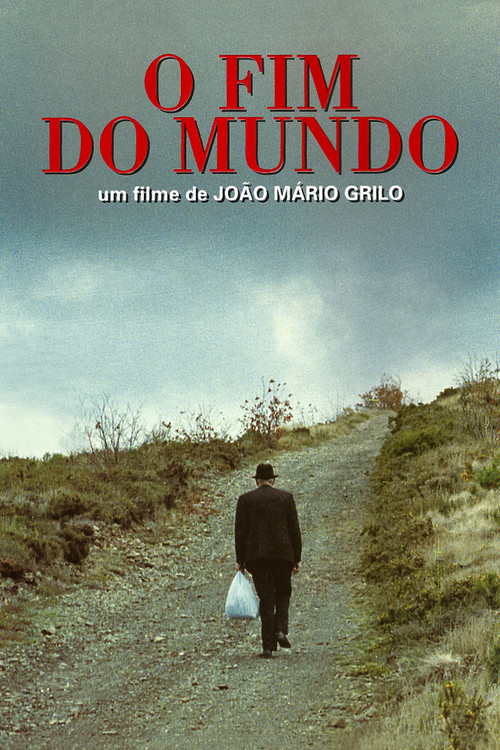
The End of the World
1993
No user ratings available yet
Representation score: 4.5 out of 10

Representation Score
Limited
1938
Director
Jorge Brum do Canto
Runtime
94 minutes
Average Rating
No ratings yetNew Showbiz Analysis
Jorge Brum do Canto’s drama adheres to the social and cultural norms of 1930s Portugal. The film focuses on the agrarian struggle and interpersonal conflicts within a localized setting, prioritizing traditional perspectives on rural life. The narrative relies heavily on established hierarchies, particularly regarding gender and social roles. While it captures the essence of the Portuguese peasantry, it lacks the complexity found in more progressive cinema. Ultimately, the film serves as a period-accurate reflection of mid-century European realism, emphasizing individual struggle and traditional courtship over diverse representation.
Category Breakdown
The film follows a conventional structure focused on the romance between Gonçalves and Bastiana. There are no representations of non-straight or non-cisgender identities, nor any critiques of traditional romantic dynamics.
Narrative ability to act is concentrated in the male protagonists through their physical competition for resources and affection. While Bastiana is a central figure, the conflict is resolved through masculine physical dominance.
The production reflects the homogeneous ethnic landscape of the Porto Santo archipelago in the 1930s. It functions as a localized study of the Portuguese peasantry without intentional ethnic blending.
The story explores the socioeconomic hardships of the working class and the struggle against drought. It leans toward a traditional view of rural life rather than offering systemic institutional critiques.
There are no documented instances of characters with visible or invisible disabilities serving as central plot devices or possessing specific ability to act within the narrative.
Present on Screen
Limited or Absent
Official Synopsis
In Porto Santo, a small island next to Madeira the drought rages and Gonçalves, a local farmer, tries to overcome the catastrophe, with the help of Bastiana, whom he dearly loves. João Venâncio, who refuses to share the water of his field, tries to steal her heart. One day Gonçalves decides to fight for his beloved, beating violently Venâncio in front of an enthusiastic crowd.
1993
1960
1948
1963
2018
1990
1924

1960
No reviews yet. Be the first to share your thoughts on this movie!
Use the rating form above to leave a star rating and optional review.