Desolate
2019
No user ratings available yet
Representation score: 3.1 out of 10
Representation Score
Limited
2018
Director
Sérgio Tréfaut
Runtime
85 minutes
Average Rating
No ratings yetNew Showbiz Analysis
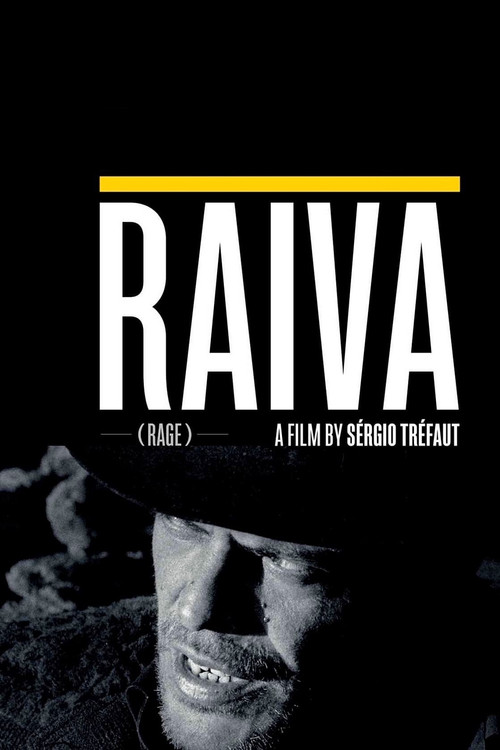
Rage is a period drama that prioritizes historical realism and class conflict over modern identity-based representation. Its focus is deeply rooted in the Alentejo region of 1950s Portugal, which naturally limits racial and ethnic diversity. Though the film lacks LGBTQ+ and disability representation, it effectively serves as a social critique. It explores how systemic failures and extreme scarcity drive individuals toward violence and retribution. Ultimately, the film's strength lies in its portrayal of the disenfranchised fighting against a corrupt social system, despite being confined to the demographic realities of its setting.
Category Breakdown
The film does not include any LGBTQ+ characters or explore non-straight identities. The story centers on personal conflicts influenced by socioeconomic conditions.
Gender roles are defined through the struggles of a patriarch trying to support his family. There is no evidence of female empowerment or subversion of traditional masculine roles.
Set in 1950s rural Portugal, the film reflects the homogeneous demographics of the time. It emphasizes historical accuracy over contemporary diversity.
The story strongly critiques systemic structures and social institutions. It depicts the desperation of the poor as a reaction to oppressive economic conditions.
There is no indication of the portrayal of physical or neurodivergent disabilities in the narrative.
Present on Screen
Limited or Absent
Official Synopsis
Alentejo, Portugal, 1950. In a desolate region, where the wind seems to speak, where misery and hunger reign over poorest, a desperate man takes his revenge on those who caused his ruin during the darkest night, unable to get honestly the bread needed to feed his family in the daylight.
2019

1963

1970

1984

1991

2018

1958
1976
No reviews yet. Be the first to share your thoughts on this movie!
Use the rating form above to leave a star rating and optional review.