
Play Misty for Me
1971
No user ratings available yet
Representation score: 1.6 out of 10
Representation Score
Limited
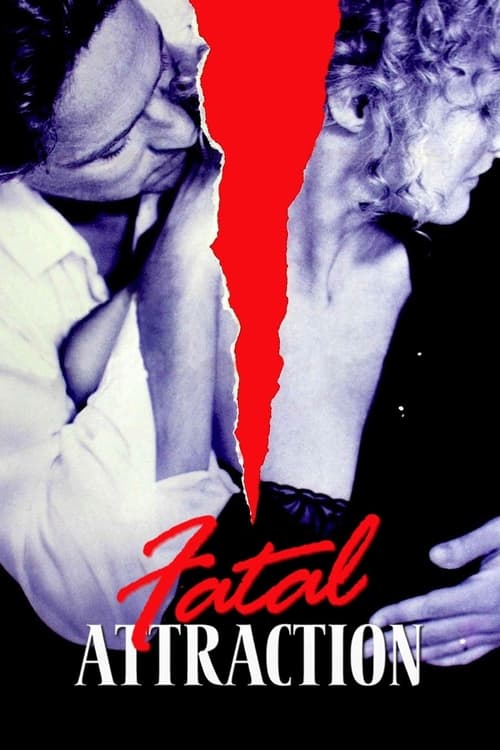
1987
RDirector
Adrian Lyne
Runtime
119 minutes
Average Rating
No ratings yetNew Showbiz Analysis
Fatal Attraction is a quintessential example of traditionalist cinema that prioritizes the stability of established social and familial hierarchies. While the film offers psychological depth and tension, it provides minimal disruption to conventional demographic or cultural norms. The narrative relies on a narrow social lens, focusing on a white, upper-middle-class environment. This creates a sense of homogeneity that excludes a wide range of racial and ethnic identities. Gender dynamics are complex but ultimately reinforce traditional archetypes. The film explores the vulnerability of the male lead but relies on the 'hysterical woman' cliché to drive its conflict.
Category Breakdown
The film operates within a strictly straight-centered framework. The central conflict revolves around a heterosexual relationship, offering no representation of diverse gender identities.
The film presents polarizing gender dynamics. While it destabilizes the 'stable husband' archetype through the protagonist's infidelity, it reinforces the 'hysterical woman' cliché by framing the female antagonist as emotionally unstable.
The cast and setting are characterized by high demographic homogeneity. The film lacks meaningful inclusion of non-Anglo-Saxon characters, focusing almost exclusively on a white, upper-middle-class social lens.
The narrative is rooted in preserving Western institutional values and the sanctity of the nuclear family. It positions the disruption of the domestic unit as a source of terror.
The film lacks characters with recognized physical or neurodivergent disabilities. Psychological distress is used primarily as a thriller plot device rather than a nuanced exploration of mental health.
Present on Screen
Limited or Absent
Official Synopsis
A married man's one-night stand comes back to haunt him when that lover begins to stalk him and his family.
1971
1976
2002
1980
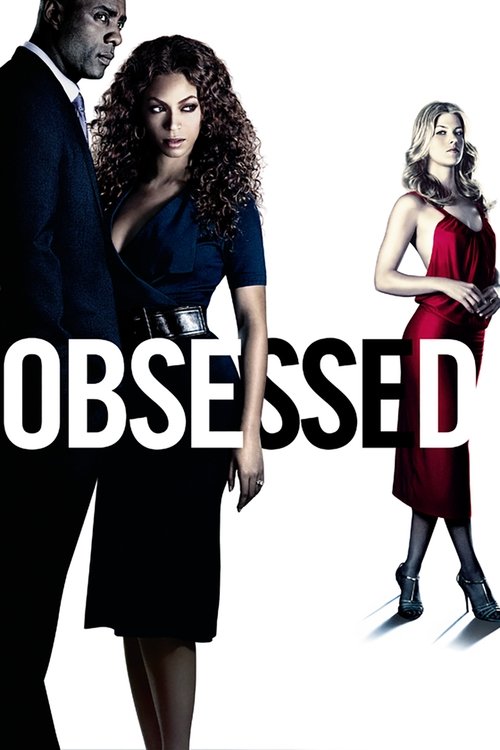
2009

1984

1992

1993
No reviews yet. Be the first to share your thoughts on this movie!
Use the rating form above to leave a star rating and optional review.