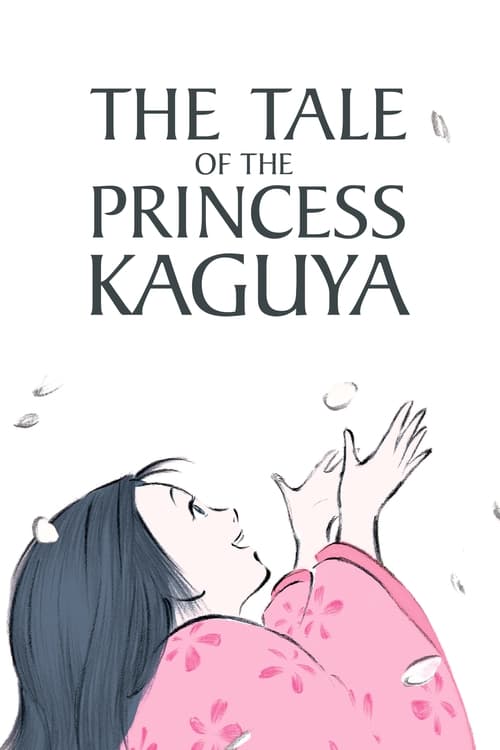
The Tale of The Princess Kaguya
2013
No user ratings available yet
Representation score: 4.5 out of 10
Representation Score
Excellent
2018
Not RatedDirector
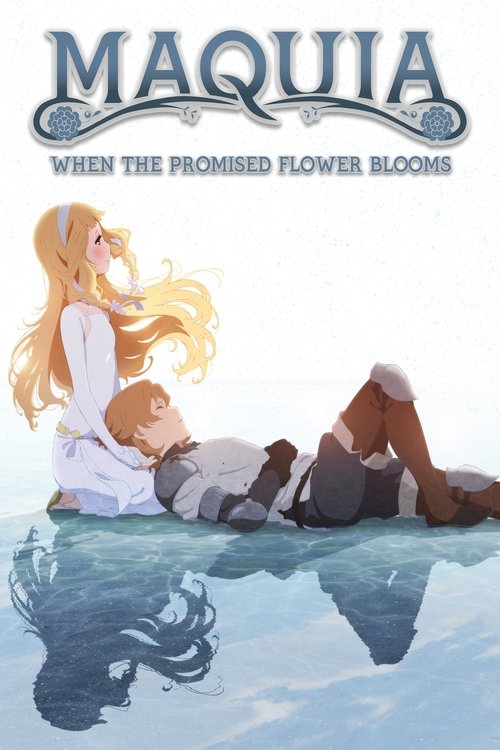
Mari Okada
Runtime
115 minutes
Average Rating
No ratings yetNew Showbiz Analysis
Mari Okada crafts a sophisticated narrative that challenges traditional power structures. The film excels by subverting gendered expectations and offering a profound critique of imperialist systems through its fantasy setting. The film's strength lies in its portrayal of underrepresented groups resisting systemic exploitation. By depicting the Iorph as an 'othered' community, the film mirrors complex real-world patterns of cultural erasure and resource extraction. However, the film lacks explicit LGBTQ+ visibility and does not provide character-driven explorations of physical or neurodivergent disabilities. It relies more on thematic metaphors than direct representation in these areas.
Category Breakdown
The film doesn't include explicit LGBTQ+ characters or non-cisgender identities. It explores unconventional intimacy but centers on maternal bonds rather than queer relationships.
Women play key roles in driving the narrative, with Maquia serving as the main protector and decision-maker. The film passes the Bechdel test by focusing on women's experiences.
The Iorph represent a culturally distinct minority facing systemic exploitation. The plot mirrors real-world colonial patterns through an imperialist power seeking to commodify their culture.
The story critiques Western-style imperialism and the corrupting influence of centralized power. It emphasizes personal experience and connection over rigid, institutionalized morality.
The film does not depict specific physical or neurodivergent disabilities. Instead, it uses the psychological disconnect of immortality to explore themes of alienation and temporal dissonance.
Present on Screen
Limited or Absent
Official Synopsis
Fleeing the war, the immortal Maquia, graced with eternal youth, finds a baby abandoned in the forest and decides to raise it as her own child, sparking a moving story between a mortal and a being who does not age.
2013
2018

2019

2017
2011
2020
2019

2012
No reviews yet. Be the first to share your thoughts on this movie!
Use the rating form above to leave a star rating and optional review.