
Child of Kamiari Month
2021
No user ratings available yet
Representation score: 5.6 out of 10
Representation Score
Fair
2018
PGDirector
Kitaro Kosaka
Runtime
94 minutes
Average Rating
No ratings yetNew Showbiz Analysis
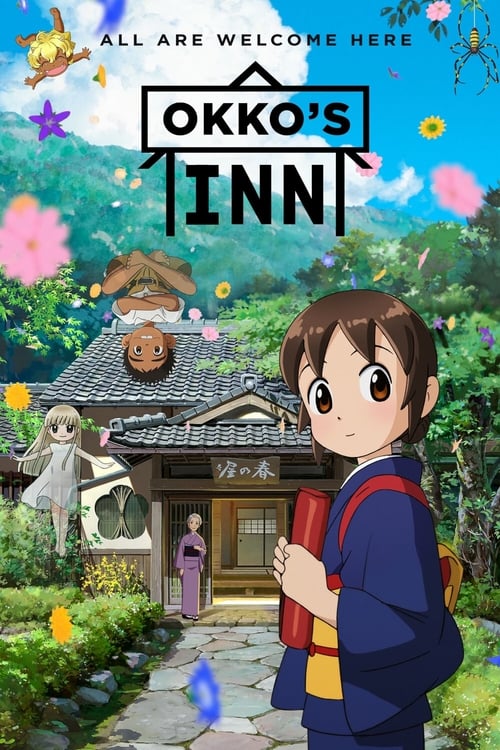
Okko's Inn succeeds by emphasizing the internal ability to act and emotional intelligence of its young female protagonist. It moves beyond simple domestic roles to show a girl navigating professional responsibilities and profound personal loss. The film uses Japanese folklore and the concept of yokai to explore themes of 'otherness' and social integration. This provides a sophisticated way to discuss how individuals who feel alienated can find their place within a community. While the film lacks explicit representation of LGBTQ+ identities or multiculturalism, it delves into the psychological realities of trauma and the subversion of traditional gendered expectations of childhood.
Category Breakdown
The film does not include LGBTQ+ characters or explore non-traditional gender identities. The story focuses on the protagonist's family and community within a traditional Taisho-era setting.
The narrative centers around a young female protagonist who holds significant professional and communal responsibilities. Okko's journey from a grieving child to a capable leader challenges traditional gender roles that often sideline young girls.
As a culturally specific Japanese production, the film features a homogeneous ethnic cast. It provides an authentic immersion into Japanese folklore, using yokai as a metaphorical layer for exploring the coexistence of the 'other.'
The film explores the complexities of grief and the coexistence of the mundane and supernatural. It respects traditional Japanese institutions while critiquing the rigidity of social integration through Okko's personal struggles.
The film offers a nuanced portrayal of invisible disabilities by focusing on psychological trauma and grief. It treats Okko's emotional dysregulation with depth, avoiding clichés by focusing on the challenging process of psychological integration.
Present on Screen
Limited or Absent
Official Synopsis
12-year-old Oriko Seki, who lost her parents in a car accident, ended up living in her grandmother's Onsen Ryokan "Haru no Ya." With the ghost "Uribou" cohabitating with her and all the other odds, she ended up training to be a young female innkeeper. At first, she didn't like the training, but gradually felt her admiration for her title and began to train seriously. Thus, the growth of the young warrior Oriko begins.
2021
2017
2021
2012
2021
2021
2013
2015
No reviews yet. Be the first to share your thoughts on this movie!
Use the rating form above to leave a star rating and optional review.