Calcutta
1969
No user ratings available yet
Representation score: 7.2 out of 10
Representation Score
Limited
1966
Director
Kamran Shirdel
Runtime
18 minutes
Average Rating
No ratings yetNew Showbiz Analysis
Kamran Shirdel’s documentary is a powerful sociological study that uses a dialectical approach to expose the friction between state narratives and lived realities. By contrasting official viewpoints with the voices of the disenfranchised, the film creates a profound critique of systemic inequality and rapid urban expansion. The work excels in its cultural commentary, using a post-colonial lens to challenge the perceived success of Westernized development. It effectively highlights the social unease caused by top-down societal shifts and the destitution within Tehran's southern districts. While the film lacks engagement with modern identity politics like LGBTQ+ or disability representation, its strength lies in its sophisticated deconstruction of power and its focus on the underrepresented within a changing capitalist landscape.
Category Breakdown
The documentary focuses on socioeconomic and urban realities. There are no LGBTQ+ characters or narratives present in the footage or spoken accounts.
Women appear in both domestic and public spheres, reflecting 1960s social hierarchies. Their influence is tied to socioeconomic status rather than a challenge to traditional gender roles.
The film centers the voices of local inhabitants, providing authentic ethnic representation. It explores diversity through the lens of internal class and ethnic stratification.
The film critiques Western-led modernization and capitalist urbanism. It frames the tension between traditional lifestyles and modern institutions as a site of systemic struggle.
The film captures the hardships of poverty but lacks specific representation of visible or invisible disabilities as central thematic elements.
Present on Screen
Limited or Absent
Official Synopsis
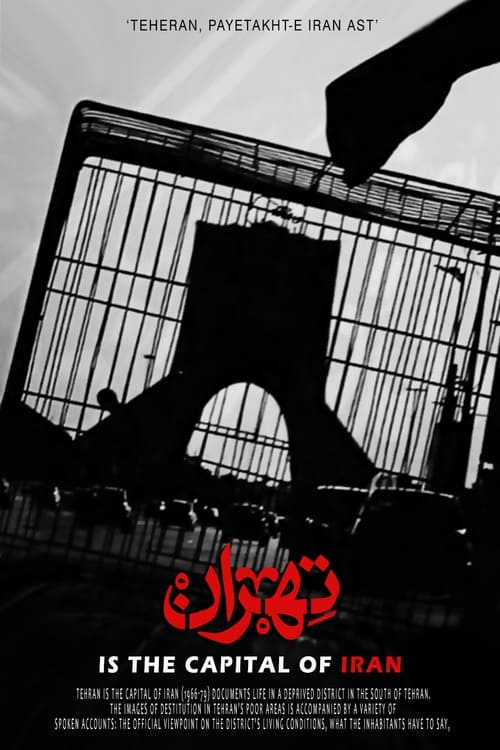
Tehran Is the Capital of Iran (1966-79) documents life in a deprived district in the south of Tehran. The images of destitution in Tehran's poor areas is accompanied by a variety of spoken accounts: the official viewpoint on the district's living conditions, what the inhabitants have to say, and occasional extracts read out of school manuals. The key element in Shirdel's film is the counterpoint effect he creates with image and sound. His impressively powerful portrayal of social unease helps reinforce the impact of his astonishing documentary images and social themes.
1969
2015
1964
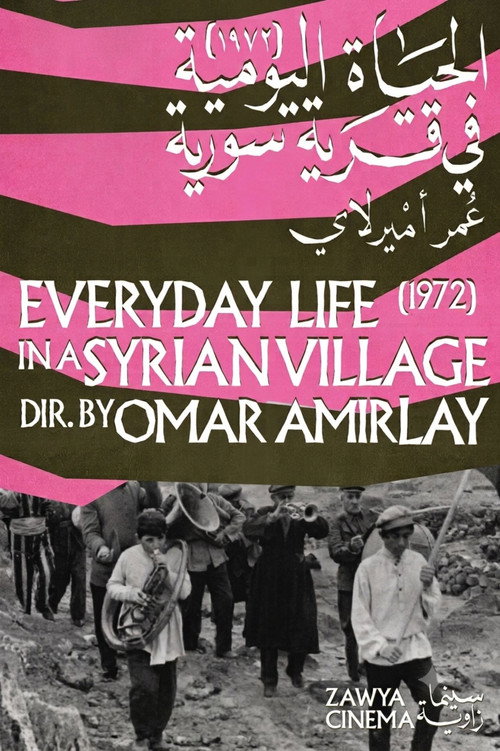
1974
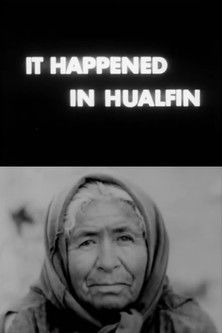
1965
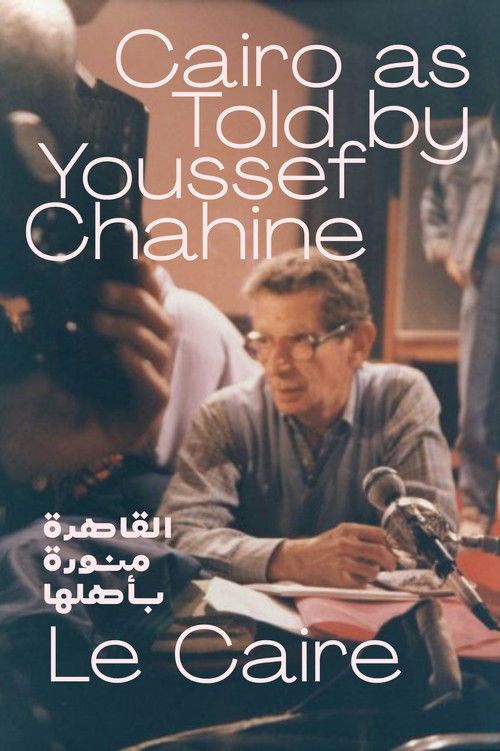
1991
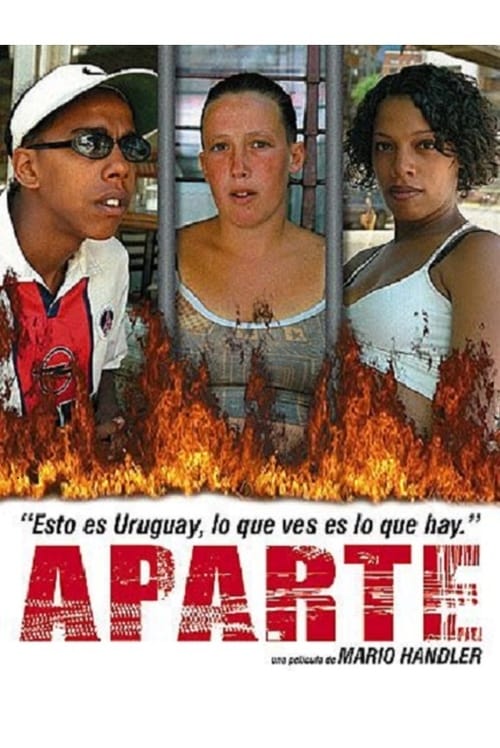
2002
1965
No reviews yet. Be the first to share your thoughts on this movie!
Use the rating form above to leave a star rating and optional review.