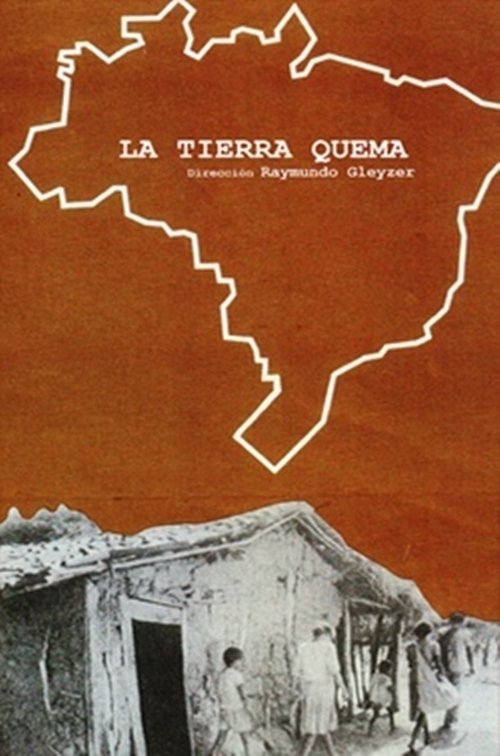
The Land Burns
1964
No user ratings available yet
Representation score: 6.1 out of 10
Representation Score
Fair
1965
Director
Raymundo Gleyzer, Jorge Prelorán
Runtime
50 minutes
Average Rating
No ratings yetNew Showbiz Analysis
This Third Cinema documentary is a vital piece of decolonial media that disrupts conventional filmmaking hierarchies. It succeeds by centering the experiences of indigenous and mestizo populations, offering a profound look at the intersection of class and ethnicity in the Argentine Northwest. The film's strength lies in its refusal to whitewash the rural proletariat, instead using a non-fiction framework to challenge Western-centric formulas. It provides a powerful critique of systemic exploitation and capitalist hegemony through a post-colonial lens. However, the narrative remains bound by the social structures of 1965. It lacks representation of LGBTQ+ identities and does not actively seek to challenge the traditional gendered labor divisions it depicts.
Category Breakdown
The documentary focuses on the ethnographic and socio-economic realities of a rural peasant community. There is no discernible presence of LGBTQ+ characters or narratives within this specific historical context.
The film depicts traditional gender roles in the Catamarca region during the 1960s. It offers a nuanced view of women’s roles in both domestic and agricultural settings without actively challenging these roles.
The film excels in its authentic depiction of indigenous and mestizo populations. It avoids including someone from a minority group without giving them real depth by centering the lives of the rural proletariat and prioritizing non-Anglo-Saxon identities.
The work critiques capitalist structures and Western commercial aesthetics. Religious rituals are shown as part of local traditions rather than tools of institutional dominance.
While the film explores the physical hardships of rural poverty, there is no specific portrayal of neurodivergence or visible disabilities as distinct narrative elements.
Present on Screen
Limited or Absent
Official Synopsis
This three-part documentary on Indian peasant life in the Catamarca region of Argentina is an emotionally moving examination of the generational cycle of poverty in underdeveloped countries.
1964
1963

1971
2017
2011

2000

1933
2009
No reviews yet. Be the first to share your thoughts on this movie!
Use the rating form above to leave a star rating and optional review.