
Place de la République
1974
No user ratings available yet
Diversity score: 5.5 out of 10
1969
Director
Louis Malle
Runtime
99 minutes
Average Rating
No ratings yetSynopsis
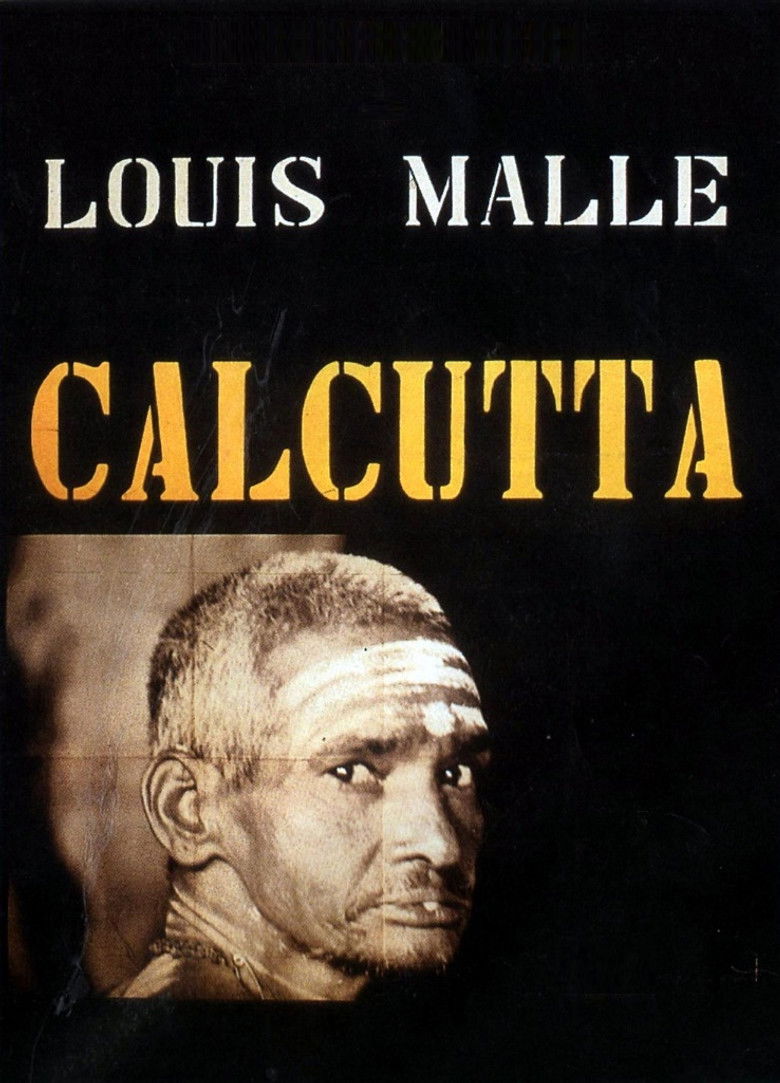
When he was cutting "Phantom India," Louis Malle found that the footage shot in Calcutta was so diverse, intense, and unforgettable that it deserved its own film. The result, released theatrically, is at times shocking—a chaotic portrait of a city engulfed in social and political turmoil.
Overall Score
Fair
Category Breakdown
LGBTQ+ Representation
The film focuses on macro-societal conditions and class struggle. There are no discernible LGBTQ+ characters or narratives centered on non-cisnormative identities.
Gender Representation
Women are depicted as active participants in the struggle for survival within a high-pressure environment. However, the lack of specific character arcs limits intentional gender subversion.
Racial & Ethnic Diversity
Malle disrupts Western-centric casting by centering the Indian working class. The local population drives the film's energy rather than serving as mere background scenery.
Religious & Cultural Diversity
The film critiques Western institutional stability and avoids imposing a singular Western moral compass. It presents a landscape where traditional Western frameworks are rendered ineffective.
Disability Representation
The film captures the physical toll of poverty but lacks characters with disabilities as central agents. Hardship is presented as a systemic consequence of the environment.
Strengths
Areas for Improvement
AI Analysis
Louis Malle’s *Calcutta* is a visceral documentary that succeeds by dismantling the romanticized Orientalist lens. It replaces curated Western perspectives with a chaotic, unvarnished portrait of socioeconomic struggle and systemic instability. The film's strength lies in its racial authenticity and its sophisticated deconstruction of Western cultural hegemony. By centering the local population, it grants agency to the Indian working class and challenges the perceived superiority of Western enlightenment. However, the work lacks depth in specific identity-driven narratives. The absence of LGBTQ+ representation and focused disability-centric stories prevents a higher score, despite its progressive post-colonial framework.
1974
2008
1977
2012

1971

2006

2018
2015
2006
2021
1986
1979
No reviews yet. Be the first to share your thoughts on this movie!
Use the rating form above to leave a star rating and optional review.