The Abandoned Children
1975
No user ratings available yet
Representation score: 8.5 out of 10
Representation Score
Fair
1965
Director
Johan van der Keuken
Runtime
37 minutes
Average Rating
No ratings yetNew Showbiz Analysis
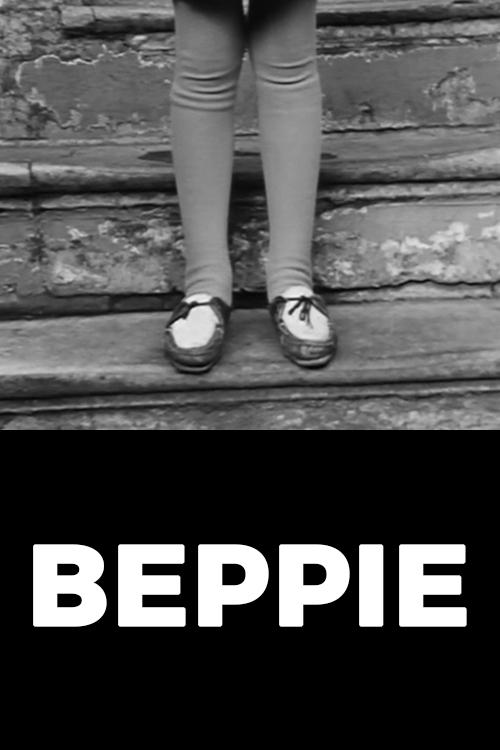
Beppie is a humanist document that challenges social hierarchies through the lens of class and gendered behavior. It succeeds in providing a vital, unsanitized portrait of a child navigating a specific urban ecosystem. The film's strength lies in its refusal to adhere to idealized middle-class stability. Instead, it centers a character who exists outside the bounds of polite, institutionalized decorum, offering a realistic view of working-class life. However, the work lacks the explicit markers of contemporary diversity. The focus remains narrow, centered on a specific local environment without broader racial or LGBTQ+ representation.
Category Breakdown
The film focuses on the childhood experiences of a single subject within a familial and urban context. There is no explicit depiction of LGBTQ+ identities or non-straight relationships.
Beppie disrupts traditional expectations of childhood decorum through her boisterous and crooked personality. By centering a female subject with high ability to act, the film challenges mid-century clichés of female docility.
The documentary provides a localized portrait of Amsterdam in the mid-1960s. The context suggests a focus on class and local social structures rather than a multi-ethnic or diverse cast.
The narrative offers a nuanced critique of socioeconomic hierarchies by focusing on a working-class family. It prioritizes the individual's authentic spirit over the rigidity of institutional systems.
There is no documented evidence regarding the portrayal of physical or neurodivergent disabilities in this work.
Present on Screen
Limited or Absent
Official Synopsis
BEPPIE is a moving and disarming portrait of an Amsterdam street urchin. Van der Keuken once described her as follows: 'She was ten years old and the joy of the Achtergracht, where I was living at the time. An Amsterdam child, sweet and crooked as a corkscrew.' He films her while she skims the city with some friends and knocks at strangers' doors. Her family has nine children and is not well off. In those days, a visit to the De Miranda swimming pool cost a quarter, but only ten cents if the weather was bad. At school, Beppie gets a poor mark because she is too boisterous, but when the whole class rattles off the multiplication tables, she joins in at the top of her voice. All of TV-watching Holland was wildly enthusiastic about this portrait, with which Van der Keuken even made the front page of the national newspaper De Telegraaf.
1975
2002

1984

2010

1959
2004
2001
1983
No reviews yet. Be the first to share your thoughts on this movie!
Use the rating form above to leave a star rating and optional review.