
Babilônia 2000
2001
No user ratings available yet
Representation score: 8.2 out of 10
Representation Score
Limited
2002
Director
Mario Handler
Runtime
91 minutes
Average Rating
No ratings yetNew Showbiz Analysis
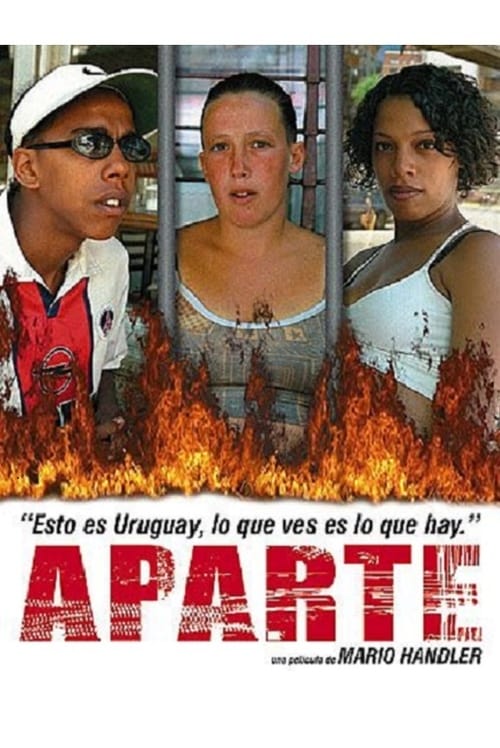
Aside is a work of social realism that centers on the peripheries of Montevideo. It avoids romanticizing the struggles of informal settlements and youth jails, opting instead to deconstruct the systemic barriers facing its subjects. The film excels at providing a platform for underrepresented voices and critiquing the failure of state institutions. It moves away from hero-centric storytelling to present a mosaic of parallel lives shaped by poverty. However, the documentary lacks visibility regarding LGBTQ+ identities and disability representation. While it offers a strong systemic critique, it remains neutral on specific gender dynamics and subversions.
Category Breakdown
The film focuses on socioeconomic and carceral realities but does not depict LGBTQ+ identities or non-assuming gender matches what was assigned at birth gender expressions.
The film's focus on society's underbelly suggests a departure from idealized domestic structures but lacks specific evidence of gender subversion or dismantling patriarchal hierarchies.
The work provides ability to act to populations typically excluded from mainstream narratives by centering voices from underrepresented ethnic and socioeconomic backgrounds.
The narrative critiques traditional institutional efficacy by framing systemic failures as the cause of crime and lack of knowledge, favoring situational morality over singular institutional ideals.
There is no evidence to suggest that neurodivergence or physical disabilities are central themes, nor are there specific character arcs addressing disability.
Present on Screen
Limited or Absent
Official Synopsis
Rare images of real life stories in the so-called "asentamientos" in the poor underbelly of Uruguay's capital, Montevideo, and in its youth jails. The difficulties of finding a job and scraping together some money, the temptations of crime and its harsh consequences, the lack of culture and knowledge of the basics of life, are all intertwined in parallel lives.
2001

2000
2009
2004
1984

2008
1990

2013
No reviews yet. Be the first to share your thoughts on this movie!
Use the rating form above to leave a star rating and optional review.