
The Song of the Earth
1938
No user ratings available yet
Representation score: 2.1 out of 10
Representation Score
Fair
1993
Director
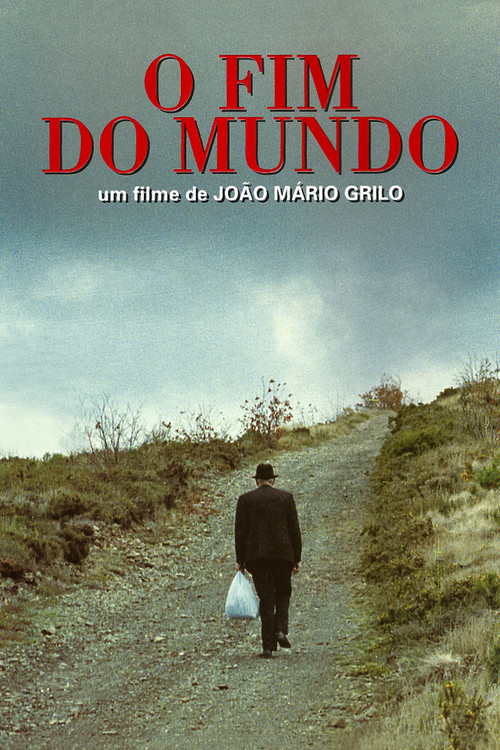
João Mário Grilo
Runtime
64 minutes
Average Rating
No ratings yetNew Showbiz Analysis
The film serves as a localized study of social friction and the fragility of community structures. It prioritizes thematic depth and social realism over mainstream commercial clichés, as evidenced by its selection for the Cannes Film Festival. While the film offers a nuanced look at how small disputes can escalate into life-and-death matters, it lacks explicit markers of multi-layered diversity. The representation of race and LGBTQ+ identities remains minimal or absent, reflecting the era's social constraints. Ultimately, the work's strength lies in its ability to deconstruct traditional notions of authority and stability through a highly specific, localized lens.
Category Breakdown
The film does not explicitly address queer identities or non-straight relationships. It focuses on traditional social structures in a rural setting.
The story explores localized conflicts that may challenge traditional masculine authority. These domestic tensions drive the high stakes of the plot.
Set in a rural Portuguese environment, the film likely reflects a homogeneous demographic. It does not feature significant multi-ethnic or diverse casting.
The story challenges social stability by framing a minor resource dispute as a catastrophic event. This approach critiques established social contracts and communal cohesion.
There is no mention of characters navigating physical, sensory, or neurodivergent disabilities within the narrative.
Present on Screen
Limited or Absent
Official Synopsis
In the quietness of rural life, small disputes about the right to use a rivulet may take the proportion of a life-and-death matter..
1938
1963
1972
1978
2011
2019
2008
2011
No reviews yet. Be the first to share your thoughts on this movie!
Use the rating form above to leave a star rating and optional review.