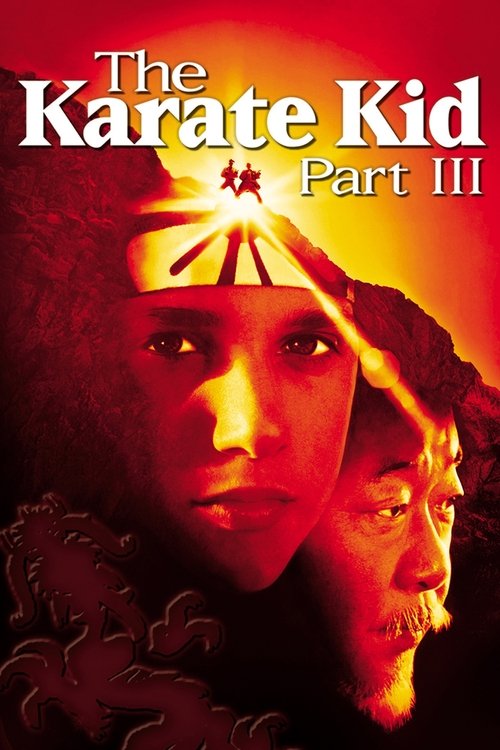
The Karate Kid Part III
1989
No user ratings available yet
Representation score: 0.5 out of 10
Representation Score
Limited
1986
PGDirector
John G. Avildsen
Runtime
113 minutes
Average Rating
No ratings yetNew Showbiz Analysis
The film stands out by setting its story in Okinawa, offering a non-Western perspective through local customs and language. This move adds depth beyond typical American-centric action clichés. However, the narrative structure remains traditional. It relies heavily on conventional gender roles and a patriarchal mentorship dynamic, where female characters primarily serve as emotional motivators rather than independent drivers of the plot. Ultimately, the film focuses on preserving tradition and honor over challenging social norms. While it avoids stereotypes, its reliance on a Western outsider perspective and traditional romance limits its inclusivity.
Category Breakdown
The film does not include any LGBTQ+ characters or non-straight relationships. Romantic storylines are limited to traditional heterosexual couples.
The story centers around a patriarchal mentorship model driven by male competition. Female characters like Kumiko provide emotional stakes but mostly exist in relation to the male leads.
Setting the story in Okinawa results in a predominantly non-Anglo cast. However, the narrative is still centered around a Western protagonist's viewpoint.
The film highlights traditional values such as honor and respect for elders. It celebrates cultural roots and family traditions through a relatively simple moral framework.
There are no prominent depictions of visible or invisible disabilities that significantly impact the plot or character development.
Present on Screen
Limited or Absent
Official Synopsis
Summoned by his dying father, Miyagi returns to his homeland of Okinawa, with Daniel, after a 40-year exile. There he must confront Yukie, the love of his youth, and Sato, his former best friend turned vengeful rival. Sato is bent on a fight to the death, even if it means the destruction of their village. Daniel finds his own love in Yukia's niece, Kumiko, and his own enemy in Sato's nephew, the vicious Chozen. Now, far away from the tournaments, cheering crowds and safety of home, Daniel will face his greatest challenge ever when the cost of honor is life itself.
1989
1994
1984
1982
2010

1959
1994

1991
No reviews yet. Be the first to share your thoughts on this movie!
Use the rating form above to leave a star rating and optional review.