The Karate Kid
2010
No user ratings available yet
Representation score: 3.8 out of 10
Representation Score
Limited
1994
PGDirector
Christopher Cain
Runtime
107 minutes
Average Rating
No ratings yetNew Showbiz Analysis
The film marks a transition for the franchise by challenging gendered expectations by placing a female protagonist in a martial arts role. This shift brings a new perspective to the established hero archetype. While the film introduces more complex, multiracial family dynamics through the Miyagi lineage, it still adheres to conventional coming-of-age clichés. The narrative focuses on personal conflicts rather than broader cultural or systemic issues. Overall, the film balances meaningful representation in gender and ethnicity against a lack of diversity in LGBTQ+ and disability categories, resulting in a moderate overall assessment.
Category Breakdown
The film does not include any LGBTQ+ characters or explore non-straight relationships. The story focuses solely on heterosexual family dynamics and traditional conflicts between characters.
Julie Pierce challenges gender norms by taking on the martial arts lead role typically played by men. Her storyline emphasizes physical independence and self-reliance over the 'damsel in distress' stereotype.
A blended family structure offers a nuanced exploration of ethnic identity through Mr. Miyagi and his biracial daughter. While the mentorship dynamic includes multiple races, the supporting cast remains predominantly white.
The narrative delves into familial strife and the erosion of traditional authority through Julie's relationship with her stepfather. It centers on personal rebellion rather than broader cultural critique.
There are no prominent depictions of visible or invisible disabilities that play central roles in this story.
Present on Screen
Limited or Absent
Official Synopsis
Mr. Miyagi decides to take Julie, a troubled teenager, under his wing after he learns that she blames herself for her parents' demise and struggles to adjust with her grandmother and fellow pupils.
2010

1995
1984
1989
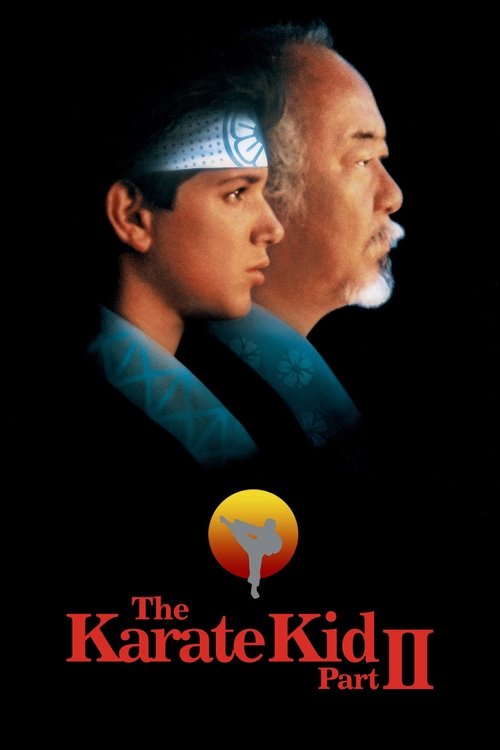
1986

1994

1996

1992
No reviews yet. Be the first to share your thoughts on this movie!
Use the rating form above to leave a star rating and optional review.