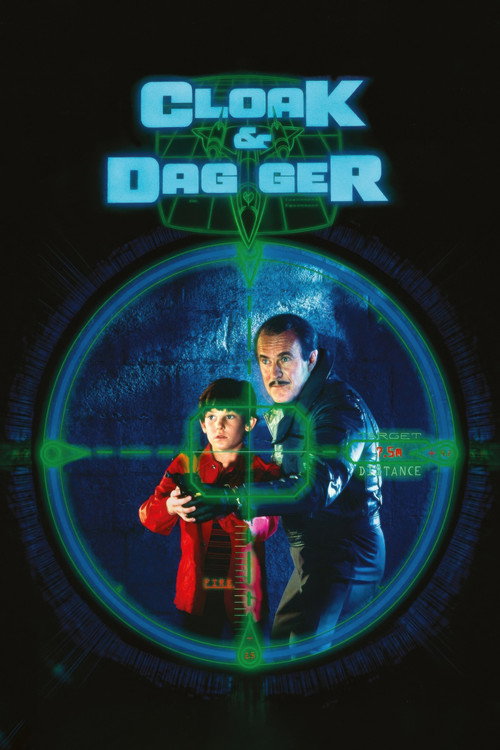
Cloak & Dagger
1984
No user ratings available yet
Representation score: 2.0 out of 10
Representation Score
Limited
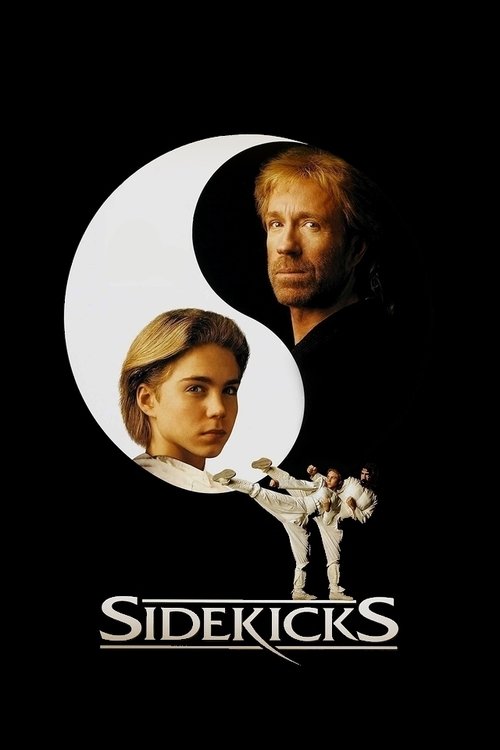
1992
PGDirector
Aaron Norris
Runtime
101 minutes
Average Rating
No ratings yetNew Showbiz Analysis
Sidekicks is a quintessential product of early 90s action cinema, prioritizing linear heroism and physical prowess. The narrative structure reinforces standard social hierarchies rather than challenging familiar patterns, focusing on a protagonist's journey toward conventional masculine strength. While the film includes an Asian mentor, it relies on established genre clichés rather than diverse casting. The depiction of disability is similarly functional, using a physical condition as a plot device to facilitate a traditional underdog story. Ultimately, the film lacks the multi-layered approach or intentionality required to move beyond the era's standard cultural archetypes.
Category Breakdown
The film follows a traditional male-centric coming-of-age story without any representation of non-straight identities or narratives that challenge the assumption that everyone is straight.
The story focuses almost exclusively on male characters and masculine archetypes. There is a notable lack of women's ability to drive the story or presence to disrupt established dynamics.
Representation is limited to the 'student and master' cliché via Mr. Lee. While providing an Asian mentor figure, the role adheres to established cinematic archetypes.
The narrative relies on traditional Western storytelling and a clear moral binary. It celebrates conventional concepts of heroism and individual achievement rather than complex cultural critiques.
Asthma serves as a central plot element and a hurdle for the protagonist. However, it functions as a cliché of overcoming weakness rather than a nuanced portrayal of lived experience.
Present on Screen
Limited or Absent
Official Synopsis
Asthmatic teenager Barry Gabrewski is a daydreamer. Troubled by bullying, he escapes into a fantasy world where he is the sidekick to his martial arts hero, Chuck Norris, in a series of high-octane adventures taken right out of his movies. With help from his teacher's wise old uncle, Mr. Lee, Barry learns the finer points of martial arts and enters a karate championship.
1984

2005
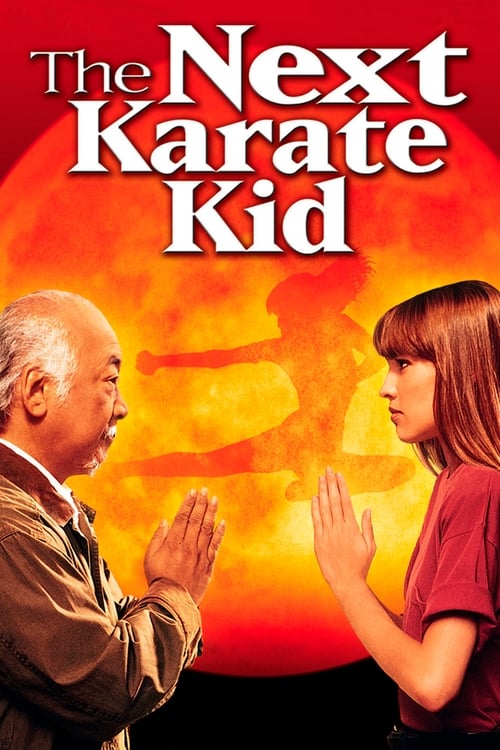
1994
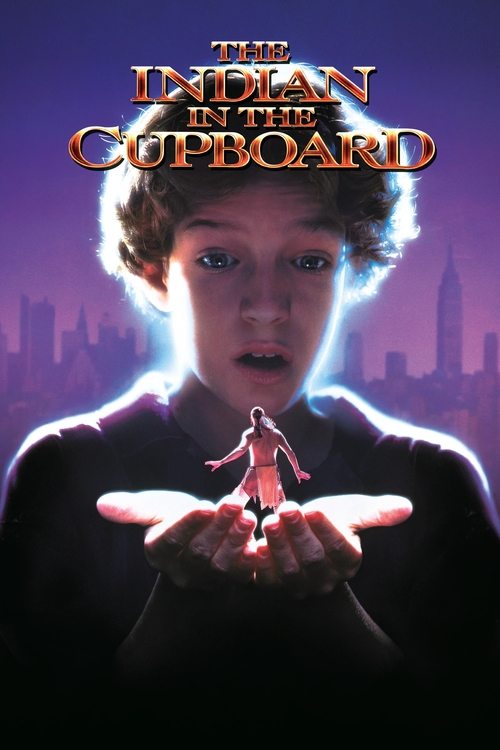
1995

1993
1985
1984

1985
No reviews yet. Be the first to share your thoughts on this movie!
Use the rating form above to leave a star rating and optional review.