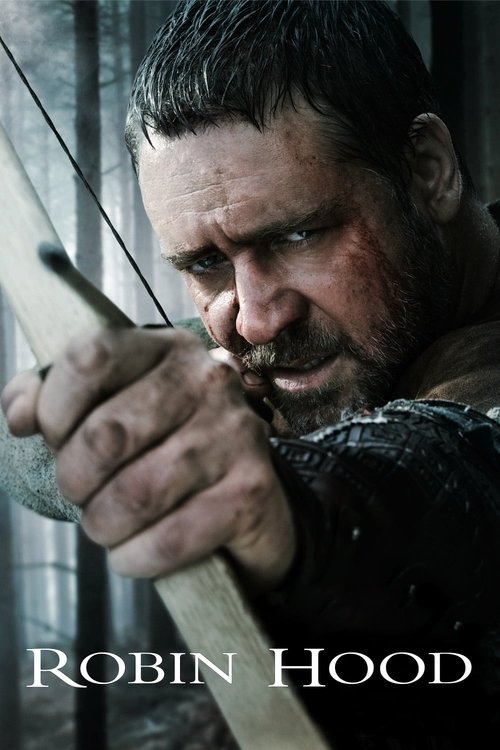
Robin Hood
2010
No user ratings available yet
Representation score: 2.4 out of 10
Representation Score
Limited
1991
PG-13Director
Kevin Reynolds
Runtime
143 minutes
Average Rating
No ratings yetNew Showbiz Analysis
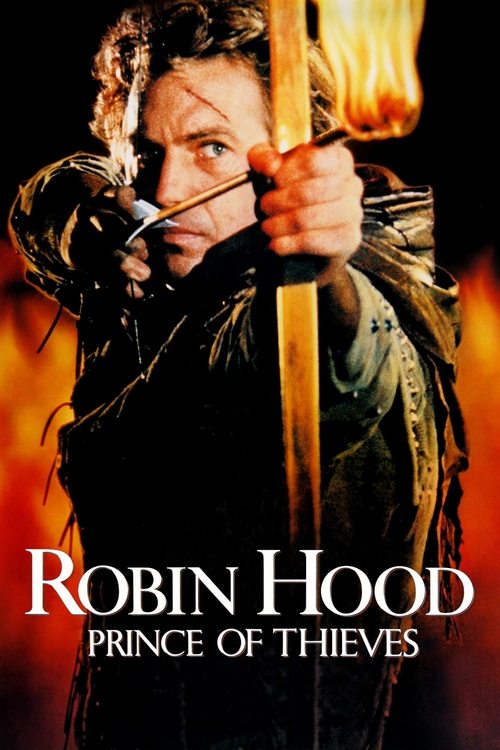
Robin Hood: Prince of Thieves is a product of 1990s adventure cinema that leans heavily into traditional heroic archetypes. Its primary strength lies in the cross-cultural alliance between Robin and Azeem, which avoids the isolationist clichés common in period pieces. However, the film is limited by its reliance on conventional gender roles and a male-centric narrative. While Marian is more than a passive figure, the story's momentum is driven by a patriarchal brotherhood of outlaws. Ultimately, the film succeeds in its critique of institutional corruption and class-based tyranny, even as it remains anchored in a traditional romantic and straight-centered framework.
Category Breakdown
The film follows a strictly straight-centered structure, focusing solely on the romance between Robin and Marian without including any non-straight or non-cisgender identities.
Marian plays a significant role in the resistance movement but mainly serves as a romantic catalyst. The story centers around male-driven conflict and a patriarchal brotherhood.
The inclusion of Azeem, a Moorish character, breaks the usual homogeneity found in medieval English tales. His actively leading partnership with Robin adds a layer of ethnic diversity.
The narrative criticizes systemic oppression by portraying the Sheriff as a corrupt institutional authority. It highlights the struggle between the peasantry and a tyrannical ruling class.
There is no significant depiction of visible or invisible disabilities. No characters with disabilities are used as central plot devices or subjects of mockery.
Present on Screen
Limited or Absent
Official Synopsis
Nobleman crusader Robin of Locksley breaks out of a Jerusalem prison with the help of Moorish fellow prisoner Azeem and travels back home to England. But upon arrival he discovers his dead father in the ruins of his family estate, killed by the vicious sheriff of Nottingham, Robin and Azeem join forces with outlaws Little John and Will Scarlett to save the kingdom from the sheriff's villainy.
2010
1938
2001
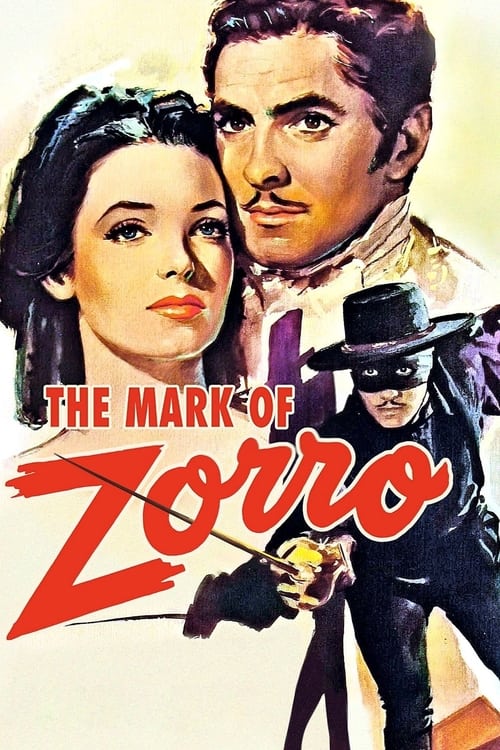
1940
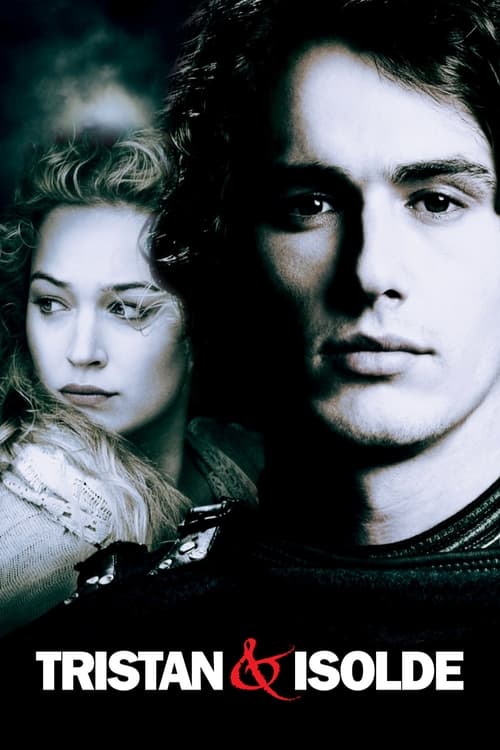
2006

1952
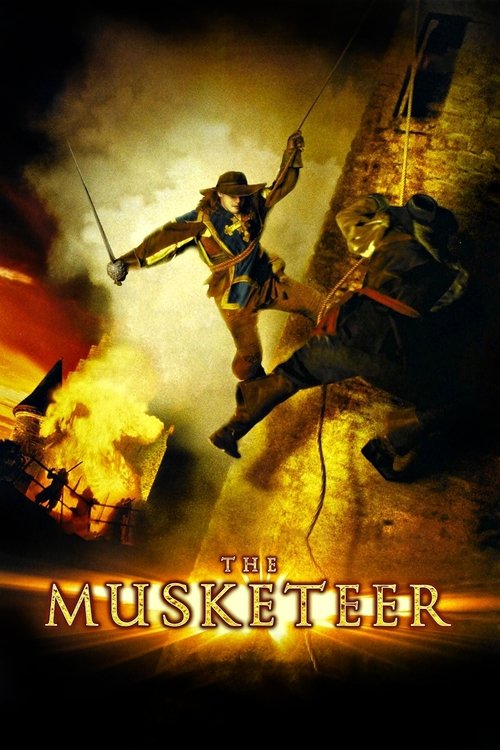
2001
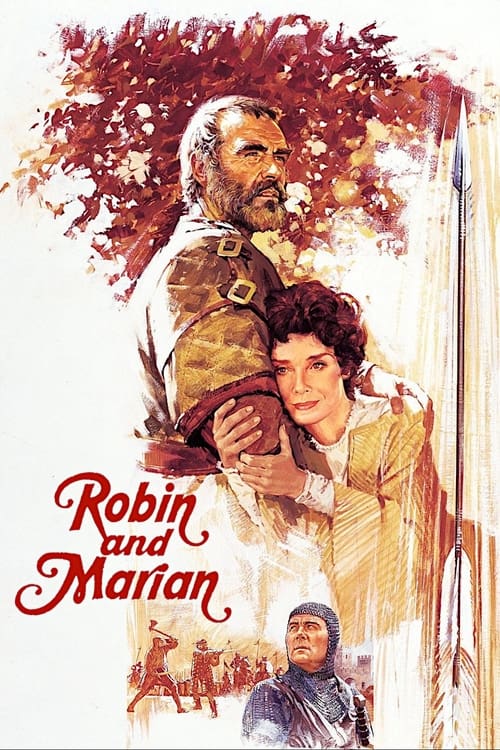
1976
No reviews yet. Be the first to share your thoughts on this movie!
Use the rating form above to leave a star rating and optional review.