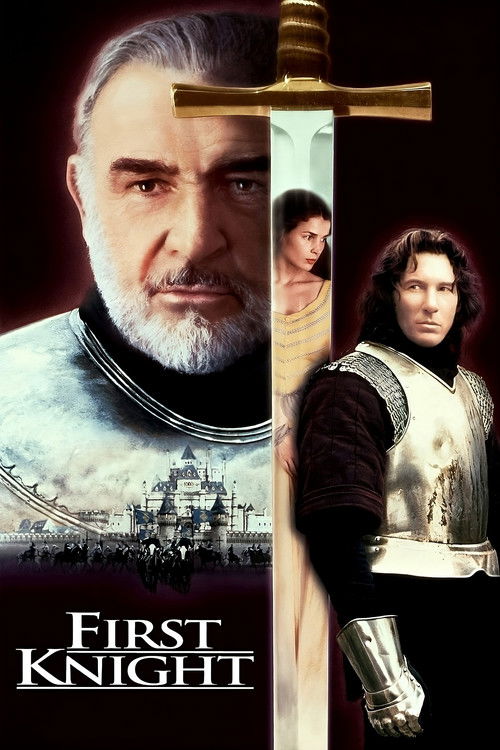
First Knight
1995
No user ratings available yet
Representation score: 0.4 out of 10
Representation Score
Excellent
2001
PG-13Director
Brian Helgeland
Runtime
133 minutes
Average Rating
No ratings yetNew Showbiz Analysis
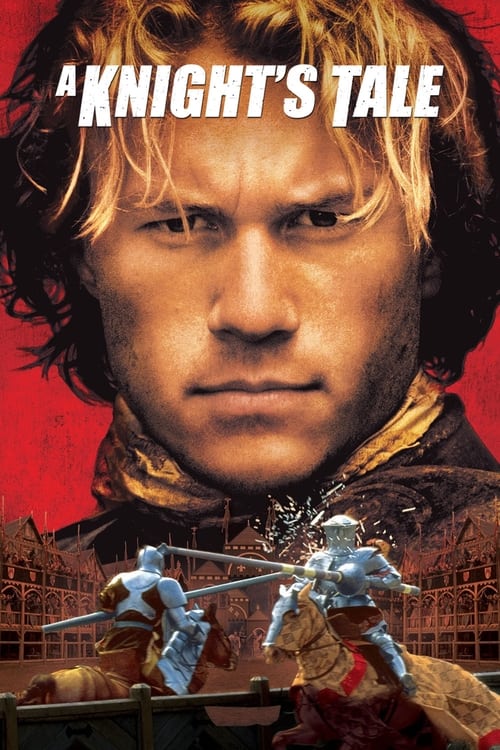
A Knight's Tale succeeds as a postmodern subversion of historical norms. By utilizing anachronism and color-blind casting, the film dismantles the rigid racial and class hierarchies typically found in medieval period pieces. This approach centers the theme of meritocracy, allowing characters to rise based on skill rather than birthright. However, the film remains anchored to a traditional romantic structure that assumes everyone is straight or cisgender. While it disrupts social and racial expectations, it does not extend this progressive lens to queer visibility or specific disability representation. Ultimately, the work functions as a celebration of individual ability to act against systemic oppression, using its stylistic choices to bridge the gap between historical settings and modern emotional truths.
Category Breakdown
The story follows a traditional romantic arc between the hero and a noblewoman. There is no explicit depiction of same-sex intimacy or non-cisgender identities.
Jocelyn avoids the submissive damsel cliché, acting who play a significant role in driving the story and intellect. The film passes the Bechdel test, featuring women as active participants in social discourse.
A color-blind casting approach challenges the historically homogeneous depiction of the 14th-century aristocracy. Diverse characters occupy roles traditionally reserved for Anglo-Saxon nobility to emphasize meritocracy.
The narrative critiques the feudal class system by championing social mobility over inherited privilege. Anachronistic music helps deconstruct the sanctity of the historical period.
The film lacks central characters with visible or neurodivergent disabilities. It focuses instead on the physical vulnerability of the body during intense tournament combat.
Present on Screen
Limited or Absent
Official Synopsis
William Thatcher, a knight's peasant apprentice, gets a chance at glory when the knight dies suddenly mid-tournament. Posing as a knight himself, William won't stop until he's crowned tournament champion—assuming matters of the heart don't get in the way.
1995

1952
2010
1976
2006
1948
1991
1961
No reviews yet. Be the first to share your thoughts on this movie!
Use the rating form above to leave a star rating and optional review.