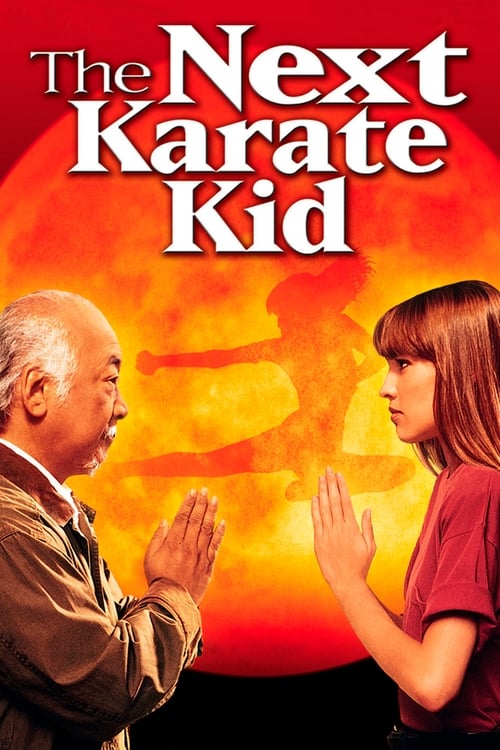
The Next Karate Kid
1994
No user ratings available yet
Representation score: 3.7 out of 10
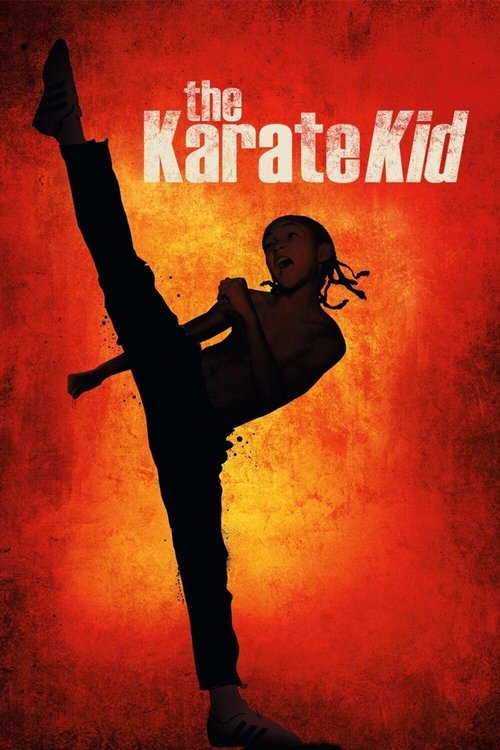
Representation Score
Limited
2010
PGDirector
Harald Zwart
Runtime
140 minutes
Average Rating
No ratings yetNew Showbiz Analysis
The film succeeds by breaking away from the traditional Anglo-centric framework of the original story. By placing an African American protagonist in a Chinese setting, it creates a globally inclusive narrative space that challenges the typical Western hero archetype. While the film handles cross-cultural identity well, it still adheres to conventional genre structures. The absence of LGBTQ+ representation and the focus on male characters in action sequences limit its progressive impact. Ultimately, the film's strength lies in its diverse casting and its exploration of cultural displacement, offering a nuanced look at being an outsider in a globalized world.
Category Breakdown
The film does not include any LGBTQ+ characters or narratives. Romantic elements are limited to a traditional relationship between Dre and Mei Ying.
Female characters such as Dre's mother are shown as independent professionals. However, the main physical conflicts and narrative focus remain on male characters.
The film stands out by featuring an African American lead in a Chinese setting. This diverse casting avoids the usual homogeneous patterns found in many Hollywood films.
The story explores the tension between Western individualism and Eastern discipline. It highlights a non-Western teaching method focused on spiritual growth and calm.
There are no prominent depictions of visible or invisible disabilities. No characters with disabilities play central roles in the narrative.
Present on Screen
Limited or Absent
Official Synopsis
12-year-old Dre Parker could've been the most popular kid in Detroit, but his mother's latest career move has landed him in China. Dre immediately falls for his classmate Mei Ying but the cultural differences make such a friendship impossible. Even worse, Dre's feelings make him an enemy of the class bully, Cheng. With no friends in a strange land, Dre has nowhere to turn but maintenance man Mr. Han, who is a kung fu master. As Han teaches Dre that kung fu is not about punches and parries, but maturity and calm, Dre realizes that facing down the bullies will be the fight of his life.
1994
1989
1984
1986
1986

1980

2006
1992
No reviews yet. Be the first to share your thoughts on this movie!
Use the rating form above to leave a star rating and optional review.