Francis of Assisi
1961
No user ratings available yet
Representation score: 1.9 out of 10
Representation Score
Minimal
2004
Director
Giorgio Capitani
Runtime
180 minutes
Average Rating
No ratings yetNew Showbiz Analysis
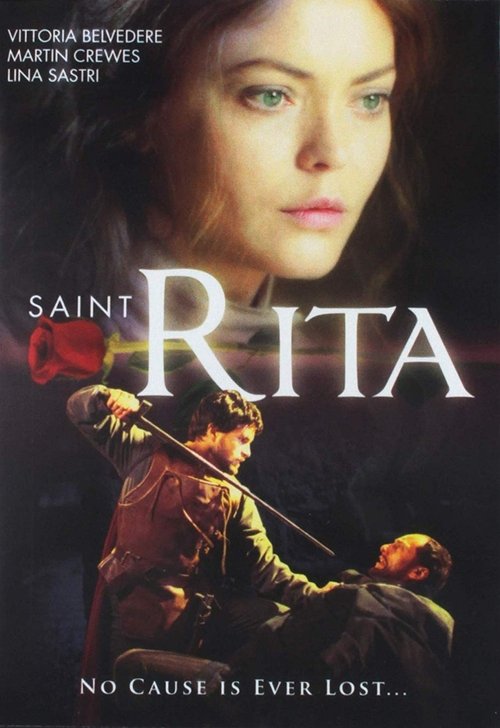
Saint Rita is a classical biographical drama that emphasizes historical and religious traditions. It functions as a hagiography, focusing on the spiritual journey of a woman within a strictly defined 14th-century Italian framework. The film reinforces established social and spiritual hierarchies rather than challenging them. The protagonist's strength lies in her adherence to religious devotion and traditional family roles, rather than subverting patriarchal norms. Ultimately, the film serves as a moral portrait of sainthood, highlighting historical fidelity and traditionalist values over modern perspectives.
Category Breakdown
The film focuses on a traditional life cycle involving marriage and motherhood, typical of heterosexual relationships. There are no characters with non-traditional gender identities or critiques of traditional social structures.
Rita navigates a violent, masculine society through peace and forgiveness. While she demonstrates great resilience, her character arc adheres to traditional roles such as daughter, wife, mother, and nun.
Set in 14th-century Italy, the film centers on a specific European historical context. The narrative appears focused on a culturally homogeneous setting with little racial diversity.
The story is deeply rooted in Western Christian values. It emphasizes religious vocation and Christian forgiveness as key solutions to systemic violence.
The narrative does not include characters facing physical, neurodivergent, or mental health disabilities.
Present on Screen
Limited or Absent
Official Synopsis
Cascia, 14th century, Rita Liotti falls in love, gets married and has two children. Her dream of love is soon hindered by a masculine and violent society, that Rita faces with peace and forgiveness. When she loses her husband and her children, she understands she has a mission: pursuing her path of peace, that will lead her to take the vows, and then to become Saint. Rita is a Saint of these days, who lived in a very violent age and was so brave to break free from the vengeance chain, through a deep, sincere and christian forgiveness. She is a particular Saint, talking to everybody’s hearts, as she was everything. She was a daugher, a wife, a mother and a nun, she experienced every sort of life, and in all her different lives she was a living model of christian life.
1961

1972

2015

1943

2021

1999

1949

2022
No reviews yet. Be the first to share your thoughts on this movie!
Use the rating form above to leave a star rating and optional review.