
Roseanna McCoy
1949
No user ratings available yet
Diversity score: 2.8 out of 10
1973
PGDirector
Richard C. Sarafian
Runtime
103 minutes
Average Rating
No ratings yetSynopsis
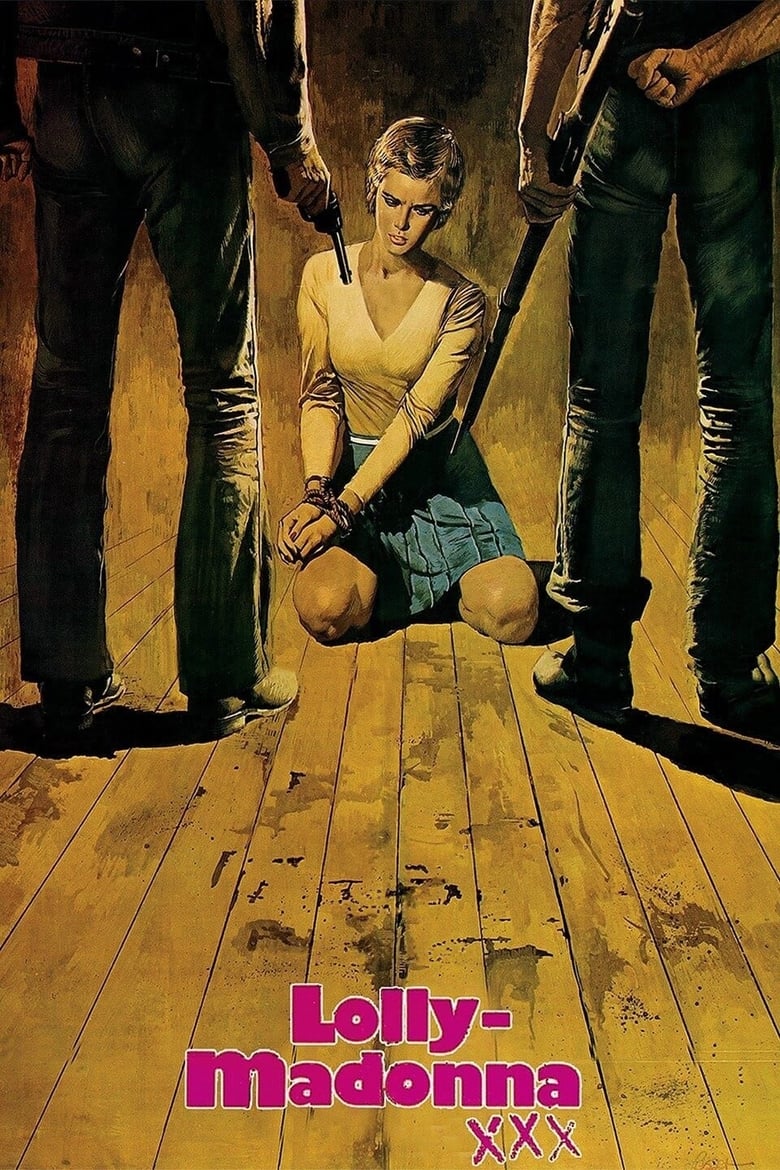
In the early 1970s, a young woman passing through rural Tennessee unintentionally gets caught in a feud between two local neighboring clans, the Feathers and the Gutshalls.
Overall Score
Limited
Category Breakdown
LGBTQ+ Representation
The film operates within a traditional heteronormative framework. There are no LGBTQ+ characters or non-cisnormative gender identities present in the narrative.
Gender Representation
Masculine dynamics and fraternal loyalty drive the story. Women occupy peripheral roles, serving as secondary figures to the central male protagonists.
Racial & Ethnic Diversity
The cast is predominantly white and homogeneous, reflecting its rural Tennessee setting. There is an absence of significant minority representation.
Religious & Cultural Diversity
The film explores moral relativism through a study of rural nihilism. It examines characters' disregard for authority rather than critiquing systemic institutions.
Disability Representation
There are no discernible depictions of physical, sensory, or neurodivergent disabilities within the primary cast or character arcs.
Strengths
Areas for Improvement
AI Analysis
Lolly-Madonna XXX is a localized character study centered on rural lawlessness and fraternal bonds. The narrative relies on traditional social hierarchies and a highly homogeneous demographic profile. While the film utilizes moral relativism to challenge viewers regarding the protagonists' actions, it lacks the intentionality to disrupt intersectional norms. It remains firmly rooted in the conventional tropes of 1970s rural realism. The production focuses heavily on male-driven aggression and patriarchal structures, offering very little breadth in terms of identity or representation.
1949
1964

1967
1975
1984
1980
1973
2018

1973
2013
1972
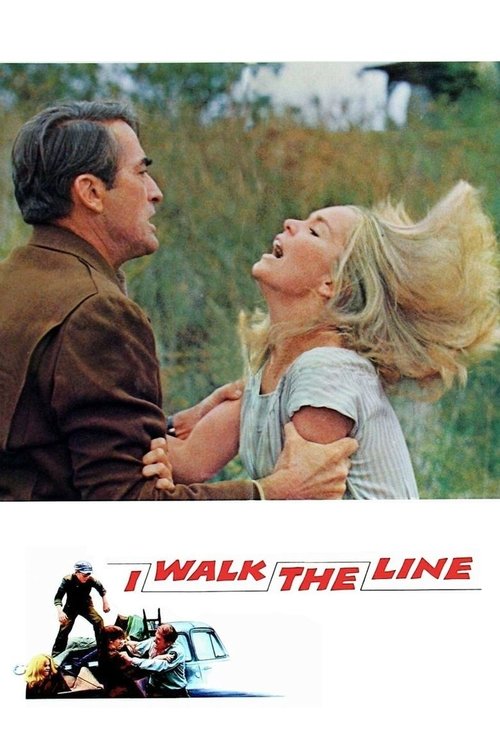
1970
No reviews yet. Be the first to share your thoughts on this movie!
Use the rating form above to leave a star rating and optional review.