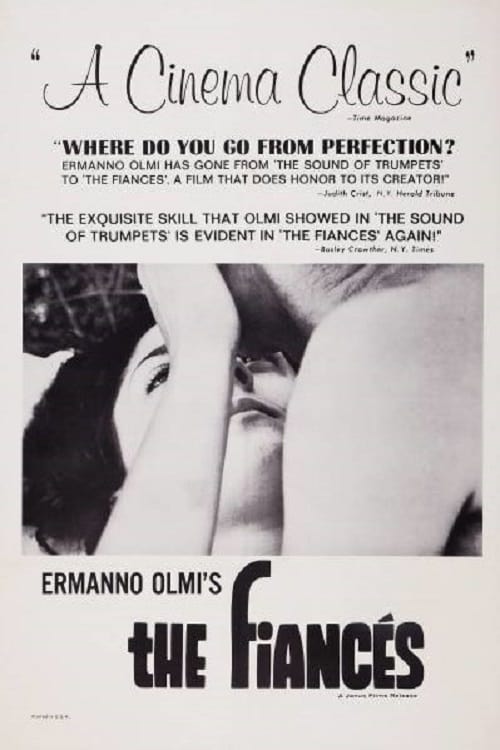
The Fiancés
1963
No user ratings available yet
Diversity score: 3.2 out of 10
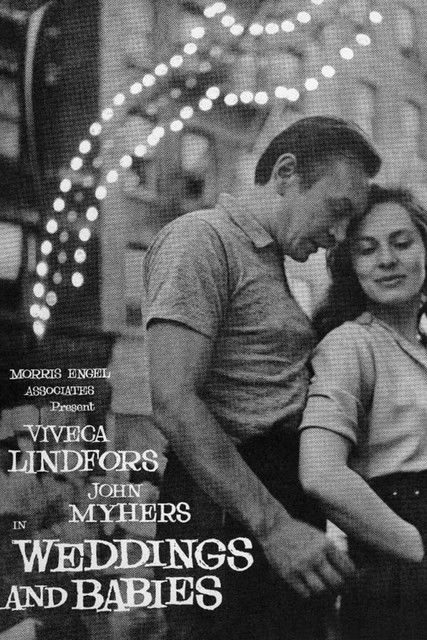
1960
Not RatedDirector
Morris Engel
Runtime
78 minutes
Average Rating
No ratings yetSynopsis
A photographer struggles to make enough money to marry his fiancee, who is starting to believe he's delaying their marriage deliberately.
Overall Score
Limited
Category Breakdown
LGBTQ+ Representation
The film centers entirely on a heteronormative marital unit. There is no evidence of non-cisnormative identities or same-sex intimacy within the narrative.
Gender Representation
The film grants the female protagonist emotional agency by exploring her anxieties regarding fertility and stability. It avoids rigid tropes by presenting marriage as a site of psychological tension.
Racial & Ethnic Diversity
The setting reflects a homogeneous, Eurocentric milieu. Characters are depicted as white, middle-class urbanites, lacking any significant multi-ethnic presence.
Religious & Cultural Diversity
The story operates within a traditional Western framework focused on the nuclear family. It explores the internal mechanics of a standard social unit rather than systemic critiques.
Disability Representation
There is no discernible depiction of physical or neurodivergent disabilities within the primary character arcs.
Strengths
Areas for Improvement
AI Analysis
Morris Engel’s drama is a naturalist character study that prioritizes the micro-dynamics of a single relationship. While it offers a sophisticated portrayal of women compared to many 1960s contemporaries, it remains deeply rooted in the era's demographic norms. The film lacks intersectional diversity, focusing almost exclusively on a white, middle-class urban experience. By adhering to traditional familial structures and heteronormative frameworks, it avoids disrupting established social or cultural hierarchies. Ultimately, the work functions as an intimate psychological study rather than a vehicle for progressive social commentary or systemic deconstruction.
1963

1967
1968
1935
1968
1986

1951
1974
1984
1960

1957
1969
No reviews yet. Be the first to share your thoughts on this movie!
Use the rating form above to leave a star rating and optional review.