
Go Naked in the World
1961
No user ratings available yet
Diversity score: 2.6 out of 10
1967
Director
Roger Fritz
Runtime
102 minutes
Average Rating
No ratings yetSynopsis
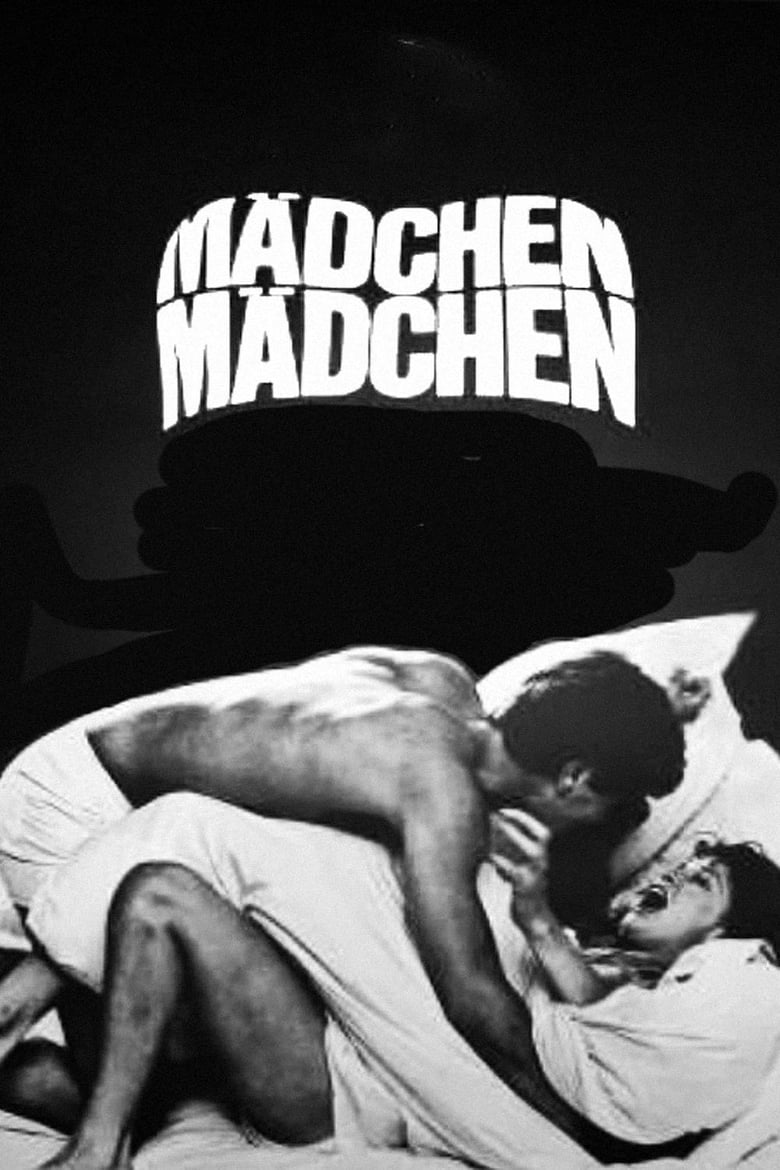
An underage girl starts an affair with her much older employer. Then, her lover is sentenced for the seduction of a minor, and the young woman gets involved with his son, the junior head of the company. When his father is released from prison, father and son become rivals for their shared lover.
Overall Score
Limited
Category Breakdown
LGBTQ+ Representation
The story focuses on heterosexual romantic entanglements and traditional power dynamics. There is no evidence of non-cisnormative identities or narratives that critique heteronormativity.
Gender Representation
Female agency is tethered to male figures, such as the employer and his son. While the protagonist drives the conflict, women primarily serve as objects of competition between men.
Racial & Ethnic Diversity
The film appears to adhere to the era's standard of representing a singular, traditional demographic. There is no evidence of a non-Anglo-Saxon majority cast.
Religious & Cultural Diversity
The narrative is rooted in traditional morality and the preservation of social order. It functions within established legal and familial frameworks of the 1960s.
Disability Representation
The film provides no information regarding the inclusion or portrayal of characters with physical or neurodivergent disabilities.
Strengths
Areas for Improvement
AI Analysis
Girls, Girls (1967) operates as a conventional period drama that reinforces mid-century social hierarchies. The plot centers on a cycle of romantic obsession and legal consequences, prioritizing traditional dramatic tropes over progressive storytelling. The narrative structure relies heavily on male rivalry, with female characters often defined by their relationships to men. This creates a framework where gendered power is centered on male competition rather than female autonomy. Ultimately, the film lacks intersectional depth, adhering to the homogeneous social structures typical of its era. It functions as a study of traditional morality rather than a subversion of systemic norms.
1961
1963

1956
1963

1979
1974

1971
1968

1967

1962
1952
1961
No reviews yet. Be the first to share your thoughts on this movie!
Use the rating form above to leave a star rating and optional review.