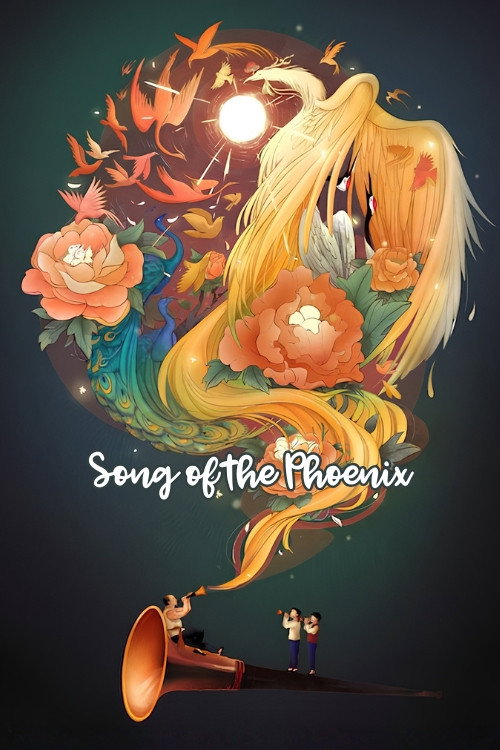
Song of the Phoenix
2016
No user ratings available yet
Representation score: 4.3 out of 10
Representation Score
Fair
2017
Director
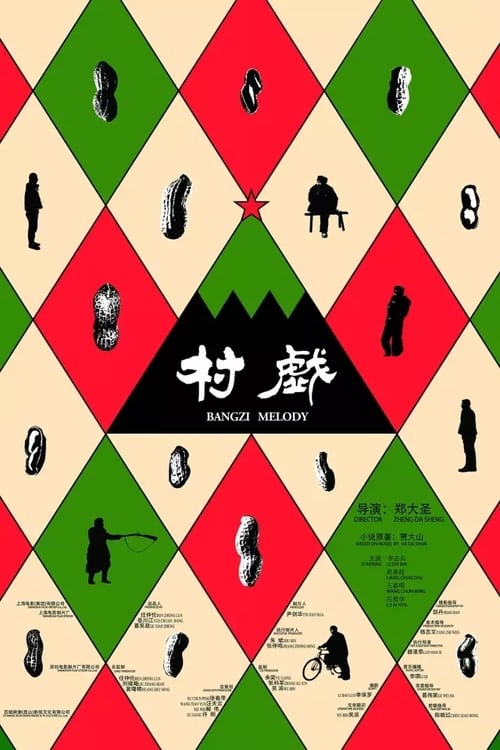
Zheng Dasheng
Runtime
99 minutes
Average Rating
No ratings yetNew Showbiz Analysis
Bangzi Melody provides a nuanced look at how individuals maintain ability to act under systemic pressure. By focusing on a rural Chinese village during the Cultural Revolution, the film avoids the monolithic historical clichés often found in mainstream cinema. The narrative uses folk opera as a metaphor for survival, blurring the lines between performance and reality. This approach allows for a sophisticated critique of how state-mandated identity affects communal life. While the film excels in cultural and systemic critique, it lacks representation in specific identity categories like LGBTQ+ or disability. It remains a focused, singular cultural study rather than a multi-ethnic exploration.
Category Breakdown
The film does not include explicit LGBTQ+ characters or stories focusing on non-straight relationships. It emphasizes socio-political pressures over personal identity.
The film explores gender roles through the fluid, performative nature of folk opera. Villagers navigate traditional gender expectations and public performances during times of social change.
The story centers on a specific Chinese rural community. It avoids a globalized perspective by offering a detailed look at a particular, non-Western cultural environment.
The film critiques institutional power by depicting state officials as disruptive forces. Using the Cultural Revolution setting, it deconstructs traditional authority and singular ideological morality.
There is no evidence of characters with visible or invisible disabilities in the narrative.
Present on Screen
Limited or Absent
Official Synopsis
Life on a small village in China during the last years of the Cultural Revolution takes a different course when the people is asked to prepare and perform a classic opera for government officials, entangling past, present and fiction.
2016
2020
1994

2017
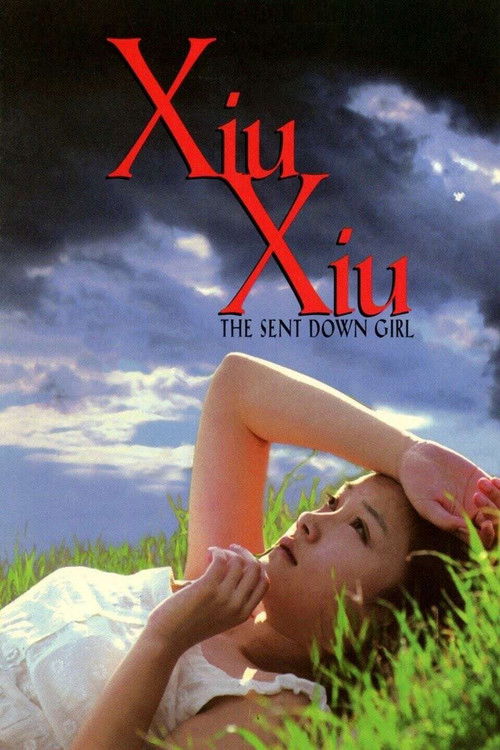
1998
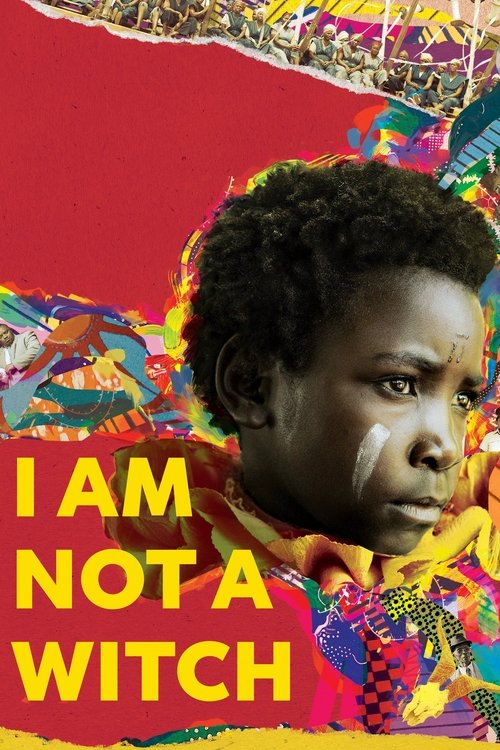
2017
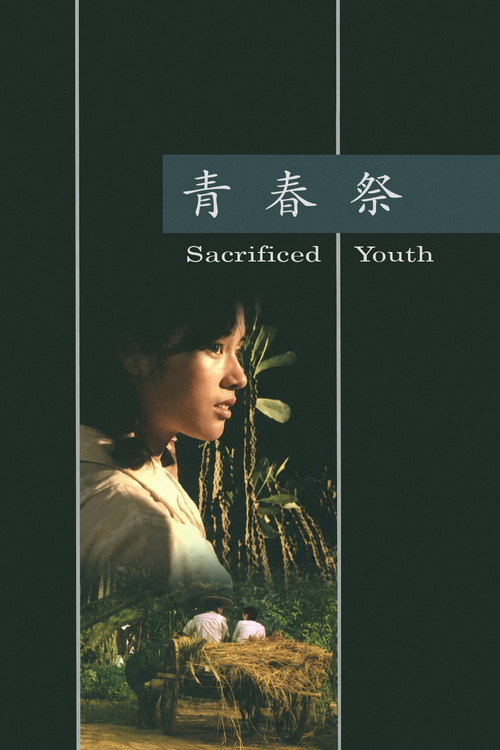
1985
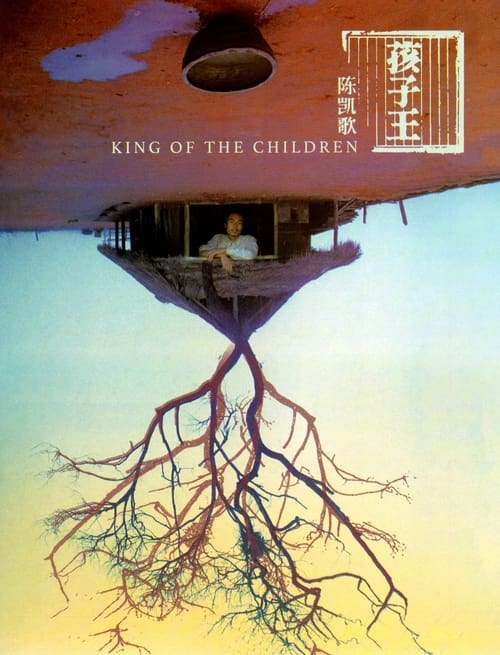
1987
No reviews yet. Be the first to share your thoughts on this movie!
Use the rating form above to leave a star rating and optional review.